
Light Requirements
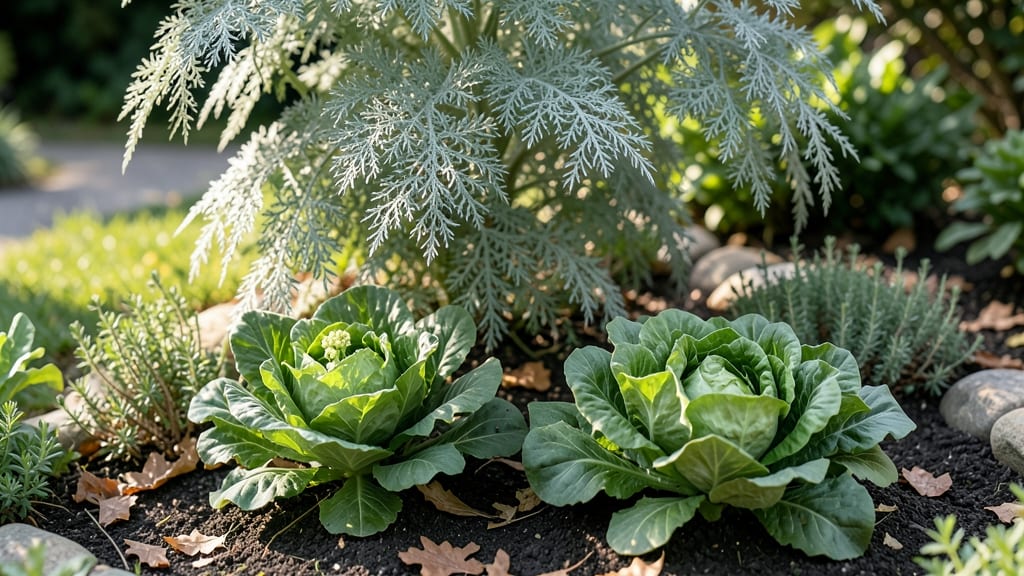
Does lettuce need shade, or will it flourish with just 4-6 hours of sunlight daily—too much direct sun or too little can ruin your harvest before it even starts.
Picture this: you’ve sown your 🥬 seeds with care, watered them just right, and now they’re stretching toward the light like they’re reaching for a handout. That’s not growth—that’s a cry for help.
Too much sun turns lettuce bitter, while too little leaves it leggy and sad. The balance is everything, and getting it right means crisp, sweet leaves instead of disappointment.
Most gardeners assume lettuce just needs some shade, but the truth is more nuanced. Leaf varieties handle shade better than romaine, and afternoon sun in hot climates can be a silent killer.
Whether you’re growing in containers on a balcony or rows in your backyard, knowing when to shield your plants—and when to let them bask—makes all the difference.
In this guide, I’ll break down the exact sunlight rules your lettuce needs, how to spot when it’s struggling, and practical fixes to keep your greens thriving all season long—no guesswork required.
 Best Window Placement
How much sunlight does lettuce need for optimal growth?
Growing perfect lettuce isn't about giving it maximum sun—it's about finding the sweet spot between light and shade. Too much sun scorches those tender leaves, while too little makes them leggy and bitter.
As someone who's experimented with lettuce varieties in my own garden, I've learned that 4-6 hours of sunlight daily is the magic number for most types.
But here's the twist: variety matters, and understanding your lettuce's needs can mean the difference between a crisp harvest and a sad, bolted disappointment.
Let's break down the sunlight needs by lettuce type so you can match your growing conditions to your plants. Whether you're growing butterhead for its delicate texture or romaine for its sturdy stems, knowing the right light exposure will help you avoid common pitfalls like bolting or yellowing leaves.
The key is observing your plants and adjusting their environment as they grow.
| Lettuce Variety | Ideal Sunlight | Max Tolerance | Signs of Stress |
|---|---|---|---|
| Leaf Lettuce (e.g., Black Seeded Simpson) | 3-4 hours | 6 hours (morning sun) | Bolting, bitter taste |
| Romaine (e.g., Paris Island) | 4-5 hours | 6 hours (afternoon shade) | Yellow tips, weak stems |
| Butterhead (e.g., Bibb) | 3-5 hours | 5 hours (dappled light) | Pale leaves, slow growth |
| Looseleaf (e.g., Oakleaf) | 4-6 hours | 7 hours (with afternoon shade) | Leggy stems, small leaves |
💡 Pro Tip: Use shade cloth (30-50%) to filter direct sun during peak hours (11 AM - 3 PM).
If you're growing leaf lettuce, think of it as a shade-loving variety that thrives with just 3-4 hours of morning sun. This is the type that does best in container gardens on a north-facing patio or under dappled tree shade.
I once tried growing Black Seeded Simpson in full sun, and within days, the leaves turned bitter and bolted—a hard lesson learned! For romaine lettuce, you can stretch the sunlight to 4-5 hours, but always protect it from hot afternoon rays.
Butterhead varieties like Bibb are the most delicate when it comes to sunlight. They prefer gentle, indirect light—think of them as the divas of the lettuce world. Too much sun, and their leaves lose their buttery texture and turn tough.
In my experience, growing them under 50% shade cloth during summer months keeps them happy and productive. The key is to observe their color: vibrant green means they're thriving, while pale or yellowing leaves signal they need more shade.
For looseleaf varieties, you've got a little more flexibility with 4-6 hours of sunlight, making them ideal for beginner gardeners. These types often bolt less easily than others, but they still need protection from intense midday sun.
I've had great success growing Oakleaf lettuce in partial shade gardens where it gets morning sun and afternoon shade from nearby shrubs. The result? Crisp, tender leaves ready for harvest in just 30-40 days.
Now, let's talk about seasonal adjustments, because sunlight isn't the only factor—temperature matters too. In summer heat, even 6 hours of sun can be too much for lettuce.
That's when I rely on shade solutions like row covers or cloche tunnels to keep my plants cool. Conversely, in cooler months, lettuce can
Signs your lettuce is getting too much sun (or not enough)
Your lettuce leaves might be silently screaming for help if they're getting too much sun or not enough light. As someone who's spent years growing lettuce, I've learned that sunlight balance is everything for crisp, tender leaves.
Too much sun causes bitterness and bolting, while too little leads to leggy growth and pale leaves. Let's decode these signs so you can rescue your lettuce before it's too late.
First, let's talk about the visual red flags of sun stress. When lettuce gets too much sun, you'll notice yellowing edges on leaves, a sure sign of heat scorch. The leaves may also develop a bitter taste, making them less enjoyable to eat.
In extreme cases, your lettuce might even bolt, sending up a tall flower stalk—this is its way of saying, "I'm giving up!"
Now, let's address the pros cons box for lettuce sunlight needs—this will help you visualize the perfect balance:
Does Lettuce Need Shade?
✅ Pros of Partial Shade
- Prevents bolting in hot climates
- Keeps leaves tender and crisp
- Reduces bitterness in flavor
- Slows wilting during peak sun
❌ Cons of Too Much Sun
- Causes yellowing and browning
- Triggers bolting prematurely
- Makes leaves bitter and tough
- Increases water loss and stress
💡 Quick Fixes
- Shade cloth (30-50% coverage)
- Morning sun only (avoid afternoon heat)
- Companion plants (tall plants like sunflowers for shade)
On the flip side, if your lettuce is stretching toward the light or developing long, thin stems, it's begging for more sunlight. These leggy growth patterns happen when lettuce isn't getting enough light, causing it to reach for the sun.
The leaves may also turn pale or yellowish, losing their vibrant green color. This is your lettuce's way of saying, "I need more light to grow properly!"
To fix too much sun, I recommend providing afternoon shade using a shade cloth or dappled shade from nearby trees. If your lettuce is in full sun for most of the day, consider relocating it to a partially shaded spot or even a container near an east-facing window.
For too little sun, move your lettuce to a sunnier spot or supplement with a grow light if you're growing indoors.
Remember, consistent moisture is key when adjusting sunlight. Lettuce needs 1 inch of water per week, but in hotter conditions, you may need to water daily in the morning to prevent stress.
Mulching around your lettuce plants can also help retain moisture and regulate soil temperature, keeping your lettuce happy and healthy.
By paying attention to these visual cues and making small adjustments, you'll be well on your way to growing crisp, flavorful lettuce all season long. Happy gardening! 🥬