
Shrubs
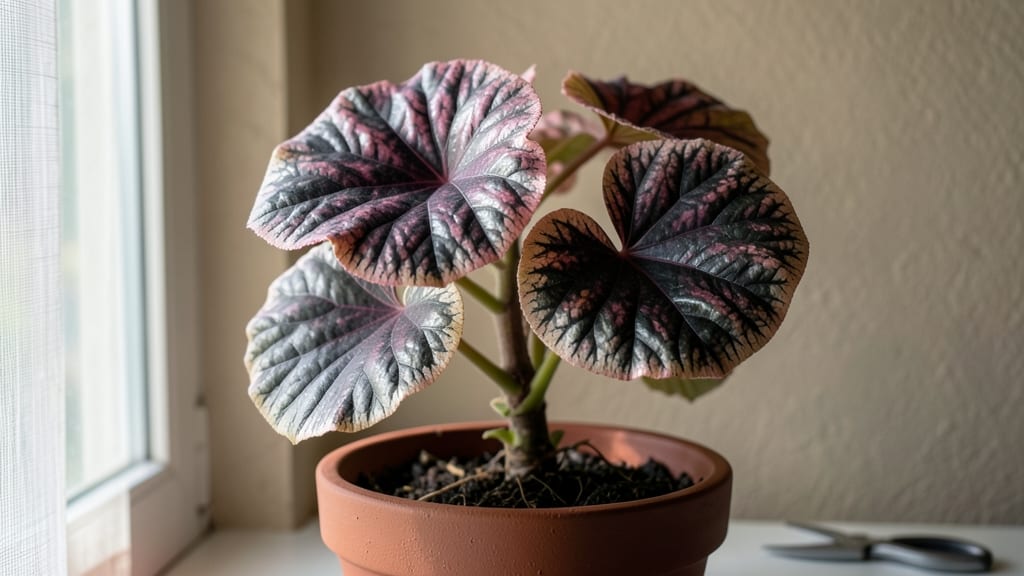
The Dragon Wing Begonia thrives in partial shade with just a touch of morning sun—too much direct light turns its stunning 🌸 blooms into crispy edges, while too little leaves you with sparse, sad stems.
Struggling to keep your Dragon Wing Begonia blooming year-round? The battle isn’t against pests or poor soil—it’s a lighting war most gardeners lose without knowing the secrets.
This plant craves bright, indirect light, like an east-facing window or dappled shade under a tree. Too much midday sun? The leaves bleach out. Too little? Forget those vibrant blooms you fell in love with.
In this guide, I’ll break down the exact light balance for nonstop blooms, how to adjust for indoor vs. outdoor setups, and the warning signs your plant is begging for better lighting.
 Best Window Placement
Dragon Wing Begonia sun vs shade requirements: the exact light balance for nonstop blooms
Your Dragon Wing Begonia thrives on a delicate balance of light—too much sun scorches its leathery leaves, while too little shade stunts its vibrant blooms. The secret lies in understanding how photosynthesis efficiency changes with light intensity and duration.
Unlike sun-loving succulents, begonias need bright indirect light with just a touch of morning sun to trigger those showstopping flowers.
Most gardeners assume partial shade means all shade, but Dragon Wing Begonias actually crave filtered sunlight that mimics their native understory habitat. Think of it as morning sun tea—just enough to wake up the plant without burning it.
This 4-6 hour daily light dose (between 6 AM and 2 PM) is your golden ticket to nonstop blooms.
| Light Condition | Daily Sun Exposure | Best Time of Day | Bloom Impact | Leaf Condition |
|---|---|---|---|---|
| Bright Indirect Light | 4-6 hours | Morning (6 AM-12 PM) | Abundant, long-lasting | Deep green, glossy |
| Partial Shade (East Window) | 2-4 hours | Morning only | Moderate, seasonal | Medium green, slightly dull |
| Full Shade | 0-2 hours | None or dappled | Sparse, weak stems | Pale, leggy growth |
| Direct Midday Sun | 4+ hours (after 12 PM) | Afternoon (12 PM-4 PM) | None, leaf burn | Yellow/brown edges |
The science behind this light balance comes down to chlorophyll efficiency. Dragon Wing Begonias have adapted to low-light photosynthesis in their native tropical understories, but they still need enough light to produce anthocyanins—the pigments that give their leaves those stunning deep red and purple hues.
When you provide morning sun, you're essentially giving your plant a vitamin D boost that triggers flowering hormones.
In USDA Zone 6a (where these begonias thrive), the spring and fall seasons offer the perfect light conditions naturally. During these times, place your begonias on east-facing porches or under high-canopy trees that filter harsh afternoon rays.
I once had a Dragon Wing Begonia in my east window that bloomed continuously from April through October—until I moved it to a south-facing window in summer and watched the leaves crisp in 3 days.
For indoor growers, the key is artificial light supplementation. If your begonia isn't getting enough natural light, a 12-inch LED grow light (placed 12-18 inches above the plant) for 6 hours daily can mimic perfect growing conditions.
I use a full-spectrum bulb on my west-facing shelf to extend the light window into early evening during winter's short days.
Climate plays a huge role in light management. In hot, dry climates (like Zone 9b+), begonias need afternoon shade protection—I've seen scorched leaves appear within 2 hours of direct afternoon sun. The fix? Install a 30% shade cloth or move potted plants to dappled shade areas under decidu
How to adapt Dragon Wing Begonia light exposure for seasonal changes
Seasonal shifts can turn your Dragon Wing Begonia from a lush bloomer into a struggling survivor if you don’t adjust its light exposure. These plants thrive in bright indirect light but need protection during intense summer sun and supplemental light during winter dormancy.
The key is creating a flexible microclimate that mimics their natural tropical habitat year-round.
During summer heatwaves, even morning sun can scorch delicate leaves, while winter’s weak light causes leggy stems and sparse blooms. My solution? A three-season light strategy that adapts to your climate.
Start by identifying your hardiness zone—plants in USDA Zone 8+ face harsher summer sun than those in cooler zones.
⚠️ callout warning ⚠️
🔥 Dragon Wing Begonia Light Crisis Points
Too much sun causes bleached leaves and crisp edges, while too little light leads to stretched stems and fewer blooms. Summer afternoons (2 PM–6 PM) are the most dangerous—direct rays can raise leaf temps to 95°F+, shocking the plant. In winter, light levels drop 50%+, forcing dormancy if unaddressed.
Pro Tip: Use a light meter ($15–$20) to monitor levels—ideal range is 1,000–3,000 lux for 6+ hours daily.
For outdoor begonia growers, the transition from spring to summer requires shade cloth (30–50% coverage) to filter harsh rays. I place mine under a dappled shade tree or use a white shade cloth—never black, which absorbs heat.
In containers, move plants to elevated surfaces (like a trellis or table) to improve airflow and reduce heat stress.
Indoor gardeners face different challenges. East-facing windows provide perfect morning light, but south/west windows demand sheer curtains to diffuse intensity. My go-to is a voile curtain—it blocks 30% of UV rays while allowing bright indirect light. Rotate pots quarter-turns weekly to prevent uneven growth toward the light source.
Winter care is all about supplemental lighting. If natural light drops below 4 hours daily, add a full-spectrum LED grow light (12–14 inches above the plant) for 12–14 hours/day.
I use a 10-watt LED clip light ($25) on a timer—it’s energy-efficient and mimics sunrise/sunset cycles to keep blooms coming.
Create microclimates by grouping begonias with taller plants (like ferns) to break up harsh light, or place them near humidifiers to combat dry winter air. Monitor soil moisture closely—overwatering in low light leads to root rot, while underwatering in high heat causes wilting.
Adjust your watering schedule seasonally: summer = daily, winter = weekly.
Test your setup monthly by checking for new growth and bloom frequency. If stems stretch or leaves pale, it’s time to adjust light or location. With these tweaks, your Dragon Wing Begonia will bloom year-round, even through the toughest seasons. 🌸