
Flowers
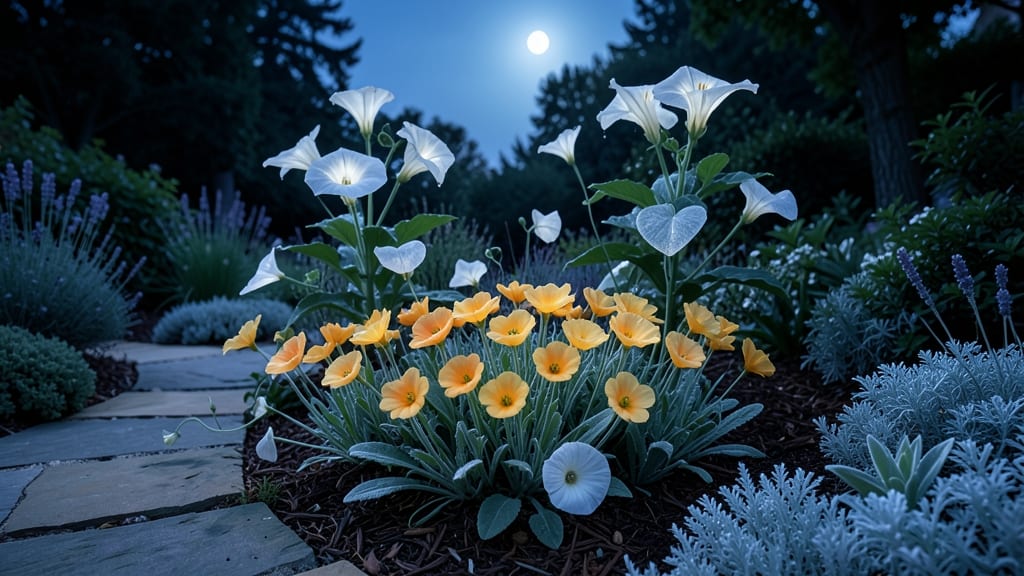
Transform your garden with these 10 flower bed plans designed for dramatic seasonal transitions using just four key plant families. Each design maximizes visual impact while simplifying plant selection and maintenance.
Sunny Perennial Border with Grasses
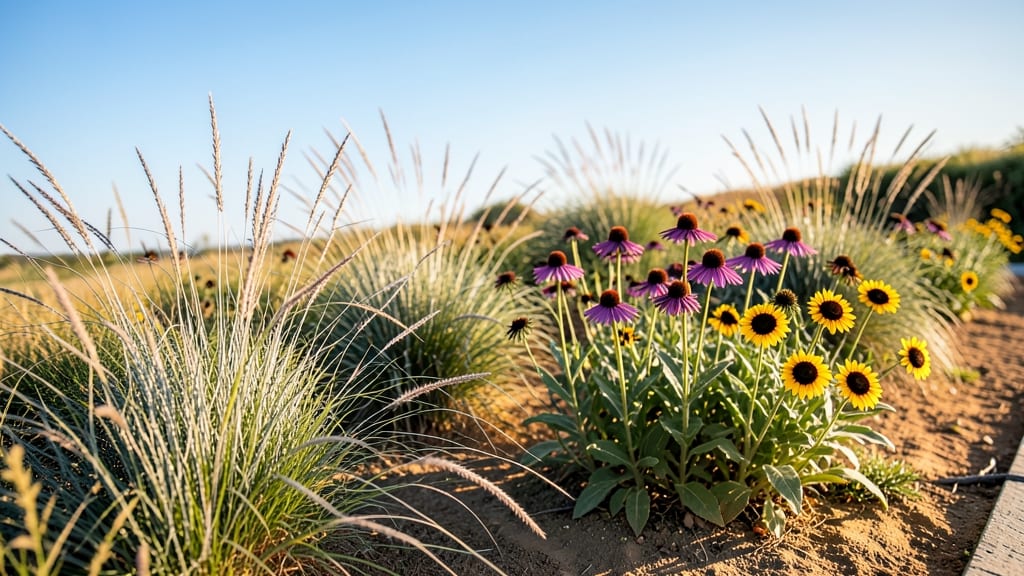
Tired of seasonal plant swaps that leave gaps in your garden’s appeal? A sunny perennial border with grasses delivers effortless beauty by combining drought-tolerant perennials like purple coneflowers and black-eyed Susans with airy ornamental grasses that sway year-round.
This design thrives in full sun (6+ hours daily) and requires minimal watering once established—perfect for hot, dry climates. Plant tall grasses (like Miscanthus or Feather Reed Grass) at the back for movement, then layer mid-height perennials (such as Russian sage) and low-growing sedums for texture. The grasses provide winter structure while perennials bloom from early summer to fall, ensuring your bed stays vibrant without seasonal overhauls.
Ideal for busy gardeners or those with water restrictions, this border also attracts pollinators while reducing mulch needs. Swap out a few perennials every few years to refresh the look—no replanting required! 🌻
Spring Bulb Cascade with Tulips
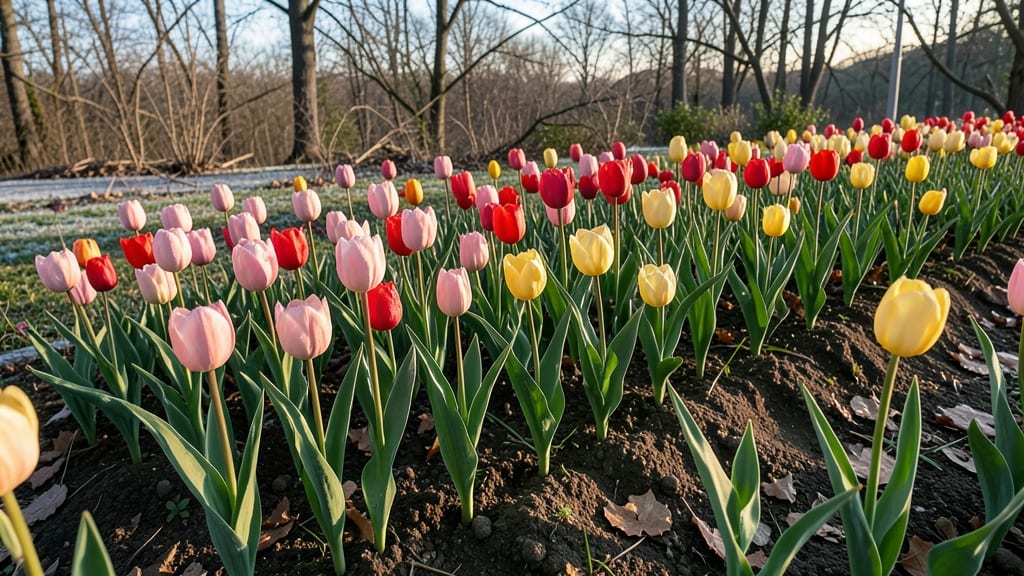
Want to beat winter blues with vibrant color before most gardens even wake up? A spring bulb cascade with tulips creates a dazzling display that starts in late winter and stretches into early summer—all with almost no summer upkeep.
Layer early-blooming tulips like 'Tête-à-Tête' (February-March) with mid-season varieties such as 'Darwin Hybrid' (April) and late bloomers like 'Black Parrot' (May). Plant bulbs in staggered rows along a slight slope or raised edge to encourage that cascading effect. Add a few alliums or daffodils for height contrast and extra early color. Once tulips finish blooming, their foliage will fade naturally, leaving minimal summer maintenance.
This plan is perfect for beginners or busy gardeners who want stunning results with minimal effort. Just plant, water occasionally, and enjoy the show! 🌷
Shade-Loving Fern and Hostas Mix

Turn your shady spots into a lush, year-round retreat with a fern and hostas mix that thrives where others fail. This woodland-inspired combo transforms dim corners into vibrant green havens, perfect for gardens under trees or north-facing beds.
Start with hostas as your foundation—their bold foliage ranges from deep blue to chartreuse, while ferns like Japanese painted fern add delicate texture and arching fronds. Tuck in heucheras for pops of burgundy, lime, or silver that keep color vibrant through fall. Mulch with shredded leaves to retain moisture and suppress weeds, as these plants prefer consistently damp (but not soggy) soil.
This plan is ideal for beginners or urban gardeners with limited sunlight—it requires almost no deadheading and blooms minimally, focusing instead on foliage that stays stunning from spring through frost. 💚
Summer Annual Color Blocks
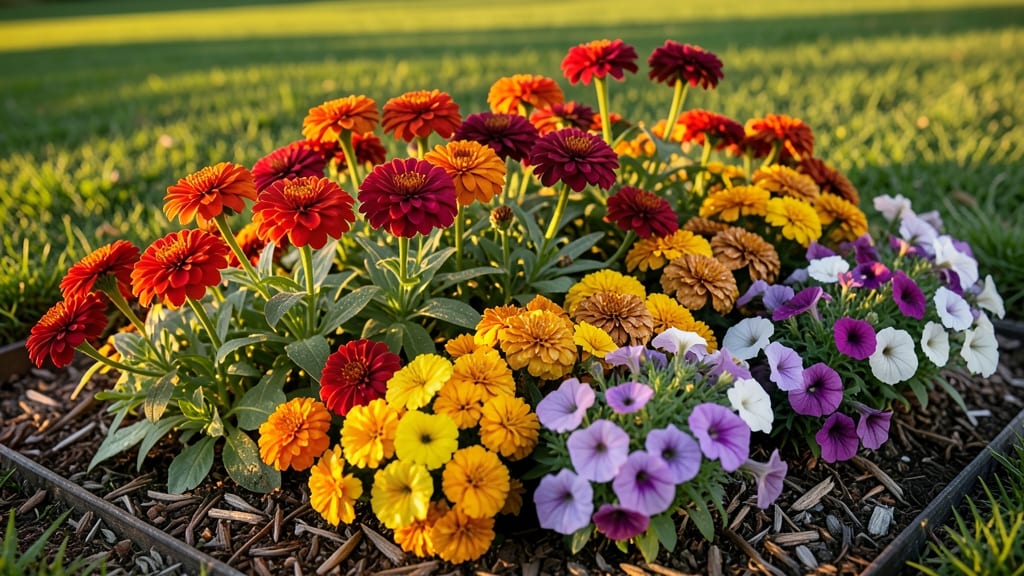
Tired of waiting months for perennials to mature? Summer annual color blocks deliver instant gratification with vibrant blooms that transform bare spots into eye-catching displays within weeks. This design leverages the power of zinnias, marigolds, and petunias—three workhorse annuals that thrive in full sun and bloom nonstop from June through frost.
Start by dividing your bed into geometric sections (rectangles, triangles, or even spirals) and plant each zone with a single color or complementary palette. For example, pair crimson zinnias with golden marigolds for a fiery contrast, or mix purple petunias with white snapdragons for a cool-toned look. Mulch with white gravel to enhance the color pop and suppress weeds, then water deeply once a week to keep roots happy. The beauty? You can replant these blocks every spring for a fresh, foolproof seasonal refresh.
This plan is perfect for beginners, urban gardeners with limited space, or anyone who wants to add drama without long-term commitment. Just add soil, seeds, and sunshine for a summer that pops! 🌻
Autumn Foliage and Seed Head Drama
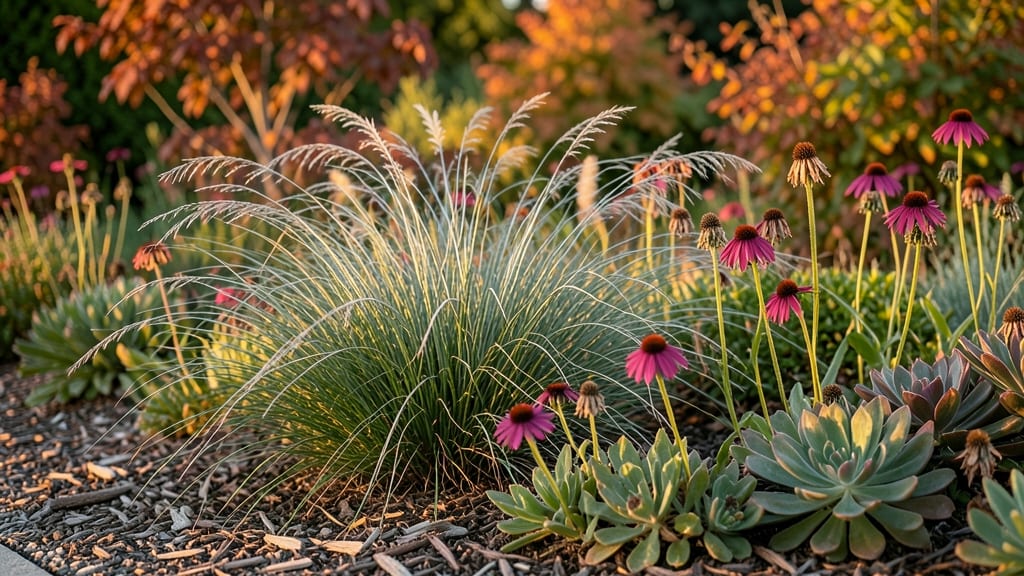
When summer blooms fade but your garden still needs star power, autumn foliage and seed heads take center stage with minimal effort. This plan transforms your bed into a textured masterpiece by pairing ornamental grasses like Miscanthus sinensis with coneflowers (Echinacea) and sedum varieties that burst into fiery reds, oranges, and purples as temperatures drop.
Start by planting tall grasses (4-6 feet) at the back for movement and height, then layer sedum 'Autumn Joy' (2-3 feet) and coneflowers in the middle for bold color. The real magic happens when you leave the seed heads intact—they provide winter interest for birds and add architectural contrast. This design thrives in full sun to partial shade and requires almost no summer maintenance after establishment.
Perfect for gardeners who love low-maintenance beauty, this plan keeps your garden looking vibrant long after most annuals have faded. 🌻
Winter Interest Evergreen Foundation
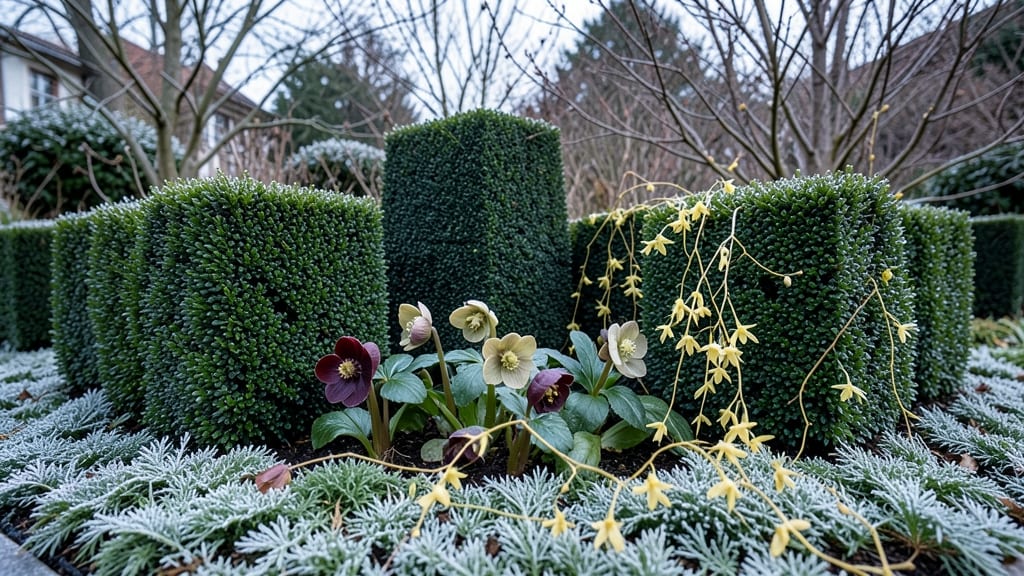
When winter's chill strips most gardens bare, a winter interest evergreen foundation keeps your landscape vibrant and structured. This design combines boxwoods for clean lines, hellebores for early blooms, and winter jasmine for fragrant yellow flowers that defy the cold.
Start by planting boxwoods in a geometric pattern for year-round structure—their glossy leaves provide a polished backdrop. Tuck hellebores (also called Lenten roses) in front for nodding flowers that bloom in late winter, often before snow melts. Train winter jasmine along trellises or fences to spill bright yellow blooms across bare branches. All three thrive in partial shade and well-drained soil.
This plan is ideal for gardeners who want low-maintenance winter beauty without sacrificing year-round appeal. It’s especially perfect for northern climates or urban yards where seasonal color is scarce. 🌿
Pollinator-Friendly Meadow Garden

Skip the manicured lawn and create a thriving ecosystem instead! A pollinator-friendly meadow garden transforms your space into a buzzing hub for bees, butterflies, and hummingbirds while requiring less maintenance than traditional flower beds.
Start with a mix of native wildflowers like purple coneflower and black-eyed Susan, plus clover and milkweed—the monarch butterfly's favorite. These plants bloom at different times, ensuring food sources from spring through fall. Mow less frequently (or not at all) to let seeds disperse and grasses grow tall for shelter.
This design is perfect for eco-conscious gardeners or those with large, sunny spaces who want to make a real difference. Watch your garden come alive with color and movement as pollinators visit daily! 🌻
Container Flower Bed Rotation
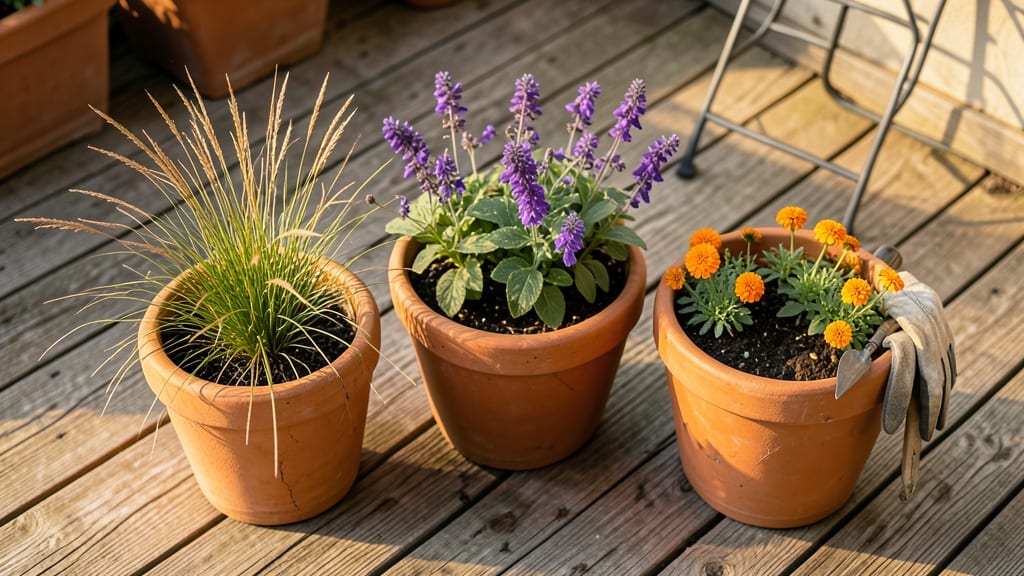
Tired of static flower beds that don’t evolve with the seasons? Container flower bed rotation lets you refresh your space effortlessly by swapping out seasonal plants in the same pots—no digging, no permanent changes. This system works perfectly for balconies, patios, or even windowsills, making it ideal for renters or urban gardeners with limited space.
Start with four versatile plant families—like tulips for spring, zinnias for summer, mums for fall, and heather for winter—each thriving in the same container with proper care. Rotate them every 8-12 weeks to keep your garden vibrant while reusing soil and pots. Choose containers with drainage holes and well-draining potting mix to prevent root rot, and place them where they’ll get the right light conditions for each season’s stars.
This approach saves money, reduces waste, and lets you experiment with colors and textures without commitment. Perfect for beginners or anyone craving a low-effort, high-reward garden transformation! 🌻
Drought-Tolerant Mediterranean Style
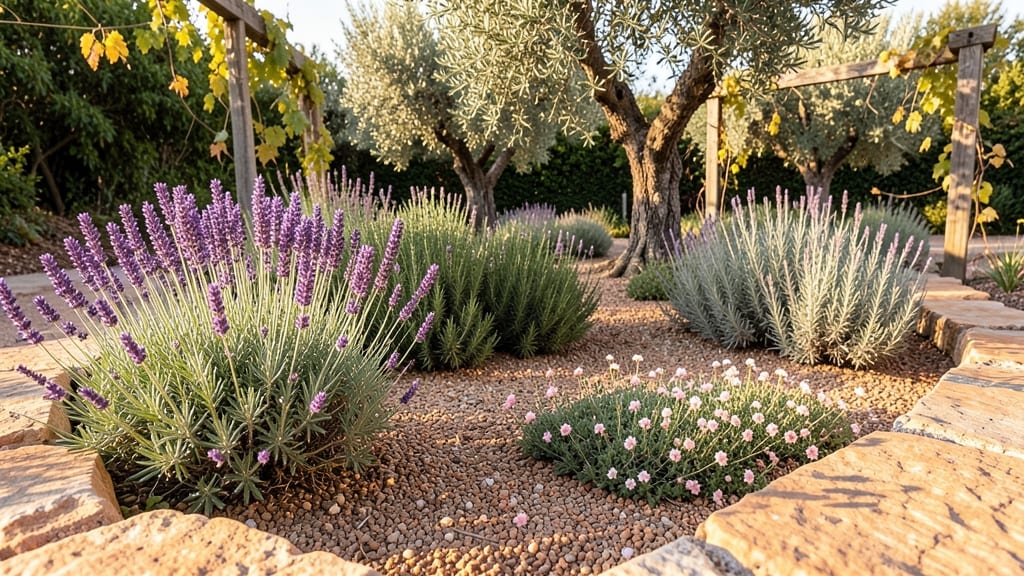
If you're tired of watering endlessly and still want a stunning garden, the Mediterranean style delivers effortless beauty with minimal irrigation. This design thrives on neglect—perfect for hot, dry climates where water conservation is key.
Start with lavender for its fragrant purple spikes and drought-resistant roots, then add rosemary for silvery foliage and aromatic leaves that repel pests. Tuck in yarrow for its fern-like foliage and bright yellow blooms that attract pollinators. Space plants 18-24 inches apart to allow airflow, and mulch with gravel or crushed stone to retain moisture while suppressing weeds. This trio creates a textural contrast that pops in sunlight, with colors that shift from spring greens to summer golds.
This plan is ideal for urban gardeners, new homeowners, or anyone in drought-prone zones—it requires no summer watering once established and thrives in full sun (6+ hours daily). The result? A fragrant, low-maintenance oasis that looks intentional without the upkeep. 💚
Moon Garden with Nocturnal Bloomers

Transform your garden into an enchanting evening retreat with a moon garden that comes alive after dark. Unlike daytime flower beds, this design focuses on nocturnal bloomers like fragrant evening primrose, delicate moonflower, and striking white datura—plants that open their petals as the sun sets and fill the air with intoxicating scents.
Start by placing these plants in a moist, well-drained area with partial shade to full sun, as they thrive where daytime temperatures are warm but evening breezes keep them cool. Pair them with silver foliage plants like lamb’s ear or dusty miller to enhance their luminous glow under moonlight. For extra magic, add solar-powered string lights or lanterns to highlight their ethereal blooms. This garden will attract moths and night-flying pollinators, creating a dynamic ecosystem after sunset.
Perfect for gardeners who love romantic, low-light spaces or want to extend their gardening enjoyment into the evening hours, this design requires minimal daytime maintenance while delivering maximum nighttime drama. 🌟