
Companion Plants
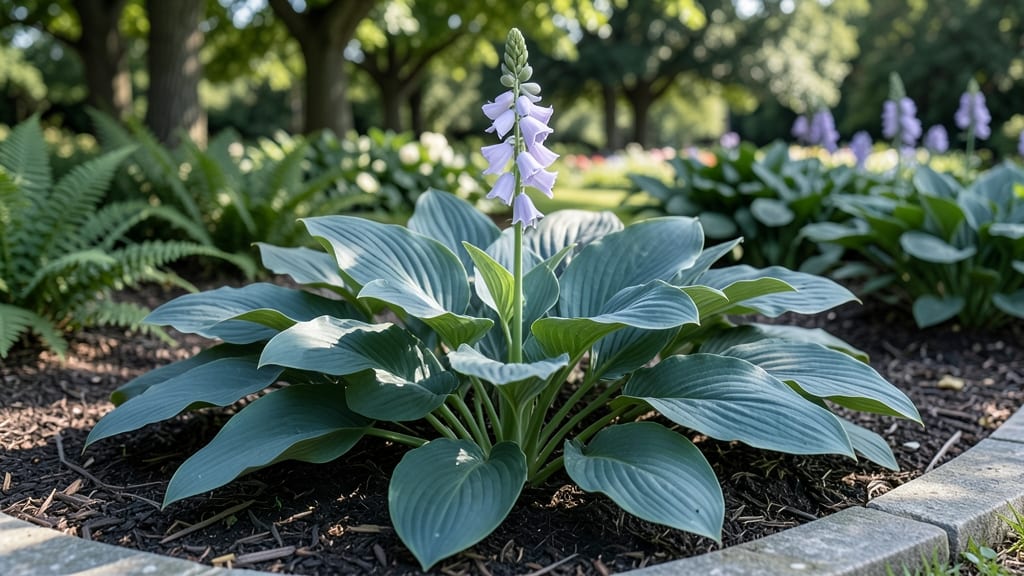
These flowering plants that do well in shade taught me sun isn’t the only ingredient for a vibrant garden—my first shady patch started with struggling impatiens, until hostas and bleeding hearts took over where nothing else would. 🌿 These plants turn dim corners into vibrant spots, proving that shade isn’t a limitation but an opportunity for different kinds of beauty.
The secret isn’t complicated: focus on plants that naturally love low light, like ferns, astilbes, or lungwort. Most need well-draining soil and regular watering—think of them as the easygoing friends of the garden.
Spacing matters too: crowding leads to competition, while giving them room ensures air circulates and blooms stay visible. A 3-foot radius around each plant usually works for medium-sized varieties.
By mid-summer, you’ll have a lush display of colors—deep purples, soft pinks, and creamy whites—that outshine many sun-lovers. The best part? These plants demand less fuss: fewer pests, less water once established, and blooms that last from spring to fall. Even my black thumb can’t kill these.
Works for patios, woodland gardens, or under trees—anywhere sunlight struggles. Here’s how to pick the right plants for your specific shade conditions and keep them thriving all season long.
📚 In This Guide
- What you need
- Instructions
- Tips and common mistakes
- Wrapping up and next steps
What you need
- ● Flowering plants: Choose from the list of shade-tolerant varieties (e.g., Impatiens, Bleeding Heart, Hosta, or Astilbe). Start with 3–5 plants per square foot for a lush look.
- ● High-quality potting soil: Use a well-draining, organic-rich mix (e.g., 50% peat moss or coco coir + 30% compost + 20% perlite/sand). A 5-gallon bag covers ~10 sq ft.
- ● Containers or garden bed: Containers: Opt for 10–12" pots with drainage holes (1 plant per pot). Terracotta or fabric pots work well.
- ● Garden beds: Ensure 6+ inches of soil depth and partial shade (2–6 hours of dappled sunlight daily).
- ● Mulch: Apply 2–3 inches of organic mulch (e.g., shredded bark or pine needles) to retain moisture and suppress weeds. A 4-cubic-foot bag covers ~10 sq ft.
- ● Watering can or hose with a gentle spray nozzle: Shade plants need consistent moisture—aim for 1 inch of water per week (more in extreme heat).
- ● Fertilizer: Use a balanced, slow-release fertilizer (e.g., 10-10-10 or organic options like fish emulsion). Apply every 6–8 weeks during growing season.
- ● Pruners or shears: Sharp, bypass pruners for trimming dead blooms or overgrowth. Disinfect with rubbing alcohol between cuts.
- ● Gloves and knee pads: Protect your hands and joints—especially for larger garden beds! 🧤
- ● Slow-release watering spikes: Great for self-watering containers (e.g., 2–3 spikes per 10" pot).
- ● Garden stakes or rings: Support tall varieties like Astilbe or Foxglove with 4–6" stakes.
- ● Soil pH test kit: Most shade plants prefer slightly acidic to neutral soil (pH 6.0–7.0). Adjust with lime (to raise pH) or sulfur (to lower).
- ● Decorative stones or pebbles: Add a polished touch around containers or borders for a finished look.
- ● Shade cloth (30–50% coverage): Useful if your area gets too much indirect light (e.g., for delicate Hosta varieties).
Step-by-Step guide to thriving shade-loving flowering plants
Here’s how to select and cultivate shade-tolerant blooms that bring color and life to low-light spots.
🌱 Step 1: Choose the Right Shade-Tolerant Varieties
Not all shade is equal—deep shade (under trees) needs plants like bleeding heart (Dicentra spectabilis) or heuchera, while partial shade (4-6 hours of dappled light) supports hostas, astilbes, and impatiens. I always check the plant tag for light requirements, as some "shade plants" actually need bright, indirect light to bloom well.
For bold blooms, prioritize impatiens (Impatiens walleriana), begonias (Begonia spp.), or foxgloves (Digitalis purpurea)—these thrive in 4-6 hours of filtered light and pack vibrant flowers. Avoid sun-lovers like geraniums or marigolds, which will languish in deep shade.
☀️ Step 2: Prepare Soil for Moisture and Nutrients
Shade plants often struggle in compacted or dry soil, so I amend the area with 2-3 inches of organic compost and 1 inch of perlite or coarse sand to improve drainage. Test the soil pH—most shade-loving flowers prefer slightly acidic to neutral (6.0-7.0). If your soil is heavy clay, mix in peat moss to lighten it.
Water deeply after planting to settle the soil around roots, then maintain consistent moisture—shade plants rarely need frequent watering, but drought stress causes leaf drop or poor blooming. Mulch with 2-3 inches of shredded bark to retain moisture and suppress weeds.
🌿 Step 3: Plant with Proper Spacing and Layering
Follow spacing guidelines on plant tags—crowding leads to fungal diseases in humid shade. For example, impatiens need 6-12 inches apart, while hostas thrive 18-24 inches apart. I plant taller varieties (like foxgloves) at the back and shorter ones (like begonias) in front to create visual depth.
Group plants with similar water needs—moisture-loving heuchera shouldn’t mix with drought-tolerant ajuga. If your shade is very dry, add a thin layer of hydro-mulch to lock in moisture without smothering roots.
💧 Step 4: Adjust Watering and Fertilizing for Shade
Shade plants water less frequently but need deeper soakings—aim for 1 inch of water per week, more in extreme heat. I water in the early morning to reduce fungal risks. Overhead watering can cause powdery mildew on leaves, so I use a soaker hose for roots.
Fertilize lightly—too much nitrogen leads to lush foliage but few blooms. Use a balanced, slow-release fertilizer (10-10-10) at planting, then top-dress with compost in spring. Deadhead spent blooms (like on impatiens) to encourage continuous flowering through the season.
✂️ Step 5: Prune and Protect for Long-Term Health
Prune leggy stems in spring to encourage bushier growth—this is especially critical for begonias and impatiens, which can become top-heavy. Cut back foxgloves after flowering to prevent seed production, which weakens the plant. I also remove yellowing leaves to improve airflow and reduce disease.
Watch for slugs and snails—shade gardens are prime targets. I use copper barriers or beer traps (not chemical pesticides) to protect delicate blooms. If powdery mildew appears, spray leaves with neem oil in the evening for best results.
Tips & tricks for perfect shade-loving flower gardens
Here's what I've learned from years of growing vibrant shade gardens that actually bloom—without the guesswork.
Light Assessment: The 4-6 hours of filtered light mentioned for partial shade is a guideline, but it's not absolute. Observe your garden throughout the day—morning sun followed by afternoon shade is ideal for most bloomers. If your spot gets only 2-3 hours of light, opt for heuchera or ajuga instead of impatiens, which need more light to produce their signature blooms. I always test by placing a plant in the spot for a week first—if it looks healthy after 7 days, it's likely a good match.
Soil Science: The 2-3 inches of organic compost recommended in Step 2 is non-negotiable for shade plants, but here's the secret: mix in worm castings (1 cup per plant) at planting time. They contain beneficial microbes that help roots absorb nutrients more efficiently in low-light conditions. For clay-heavy soils, I add 1 part peat moss to 3 parts soil—this improves aeration without altering the slightly acidic pH most shade plants prefer.
Watering Wisdom: That 1-inch weekly watering guideline works for established plants, but newly planted shade flowers need 2 inches of water per week for the first month to establish strong root systems. I use a rain gauge to track this precisely—shade gardens often get overlooked because we assume they need less water, but they actually need consistent moisture to thrive. The key is deep watering at the base, not light sprinkles that only wet the surface.
Pruning Precision: When deadheading impatiens or begonias in Step 5, cut just above the next set of leaves rather than at the base. This encourages bushier growth and more blooms. I also prune these plants every 2-3 weeks throughout the season—this might seem excessive, but it prevents leggy stems and keeps the plant producing flowers instead of seed pods. For foxgloves, I wait until after all blooms have faded before cutting back completely.
Pro Tips for Flowering Plants That Do Well In Shade
- Here's what I've learned from years of growing vibrant shade gardens that actually bloom—without the guesswork.
- Light Assessment: The 4-6 hours of filtered light mentioned for partial shade is a guideline, but it's not absolute.
- Soil Science: The 2-3 inches of organic compost recommended in Step 2 is non-negotiable for shade plants, but here's the secret: mix in worm castings (1 cup per plant) at planting time.
Frequently asked questions
Got questions about shade-loving flowering plants?
You're not alone! Here are answers to the most common concerns—whether you're troubleshooting, planning, or just curious about what grows best in low-light spots.
What are the easiest flowering plants to grow in deep shade?
For zero-fuss blooms, try impatiens (they thrive in dappled shade) or bleeding heart (tolerates partial shade). Hosta and foamflower are also low-maintenance stars. Just ensure your soil stays moist—they hate drying out!
How long does it take for shade plants to flower?
Timing varies! Annuals like impatiens may bloom in 6-8 weeks from seed (or sooner if planted as transplants). Perennials like astilbe or heuchera could take 1-2 years to reach full flowering potential. Patience pays off—shade plants often reward you with longer bloom seasons than sun-lovers!
Can I grow flowering plants in total shade (no direct sunlight)?
Total shade
isn’t a dealbreaker—just pick the right plants. Caladiums (for foliage + subtle blooms), Japanese painted ferns (with delicate flowers), and Christmas fern are top picks. Avoid sun-dependent varieties like sunflowers or marigolds—they’ll sulk in darkness.
Why aren’t my shade plants flowering?
Common culprits:
- Too much shade: Some plants (like coleus) need bright indirect light to bloom.
- Over-fertilizing: Too much nitrogen = lush leaves, fewer flowers. Use a low-nitrogen, high-phosphorus fertilizer instead.
- Dormancy: Some perennials (e.g., lunaria) bloom seasonally—check their natural cycle!
Are there any shade-tolerant flowering plants that repel pests?
Yes! Lantana (in partial shade) deters mosquitoes, while fuchsia can attract hummingbirds—keeping pests like aphids at bay. Sweet woodruff also repels ants and roaches with its fragrant foliage. Pair these with marjoram (a shade-tolerant herb) for a dual-purpose garden!
Wrapping up and next steps
Transforming shady spots into vibrant gardens is easier than you think! 🌿 With the right flowering plants that thrive in shade, you can create a lush, colorful retreat without needing full sunlight. From hostas to bleeding hearts, these beauties prove that shade doesn’t mean dull—it means opportunity.
Ready to get started? Pick one (or two!) plants from this list, gather your supplies, and watch your garden flourish. Happy planting! 🌸