
Flowers
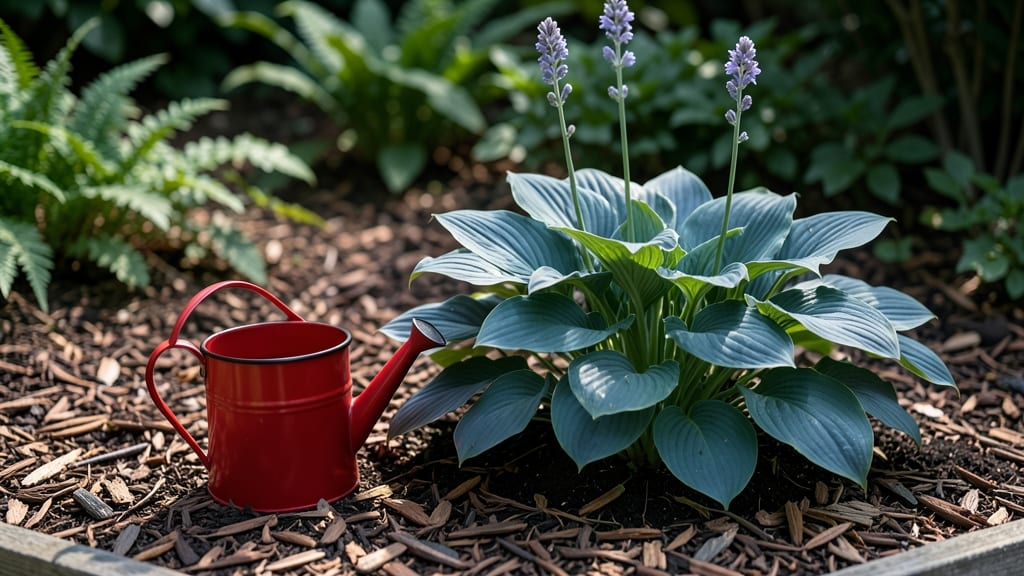
Semi shade flowers thrive in partial sunlight, offering vibrant blooms with 3-6 hours of indirect light daily. Top picks include impatiens, fuchsias, and hydrangeas, which adapt well to dappled shade while avoiding harsh sun exposure.
Partial sunlight creates the perfect balance for these plants—enough light to fuel photosynthesis without scorching delicate petals. 🌿 Many gardeners swear by these varieties because they deliver consistent color even in shadier corners of the yard, where full-sun plants would struggle.
For instance, fuchsias produce lush, trailing blooms that thrive under tree canopies, while hydrangeas develop their signature color intensity when shielded from midday rays.
What sets these flowers apart is their ability to handle fluctuating light conditions. Unlike sun-loving species that wilt in shade, semi shade varieties like coleus and caladiums actually benefit from morning sun paired with afternoon shade, making them ideal for patios or woodland garden edges.
The key is mimicking natural forest understory conditions where filtered light prevails.
💡 In This Article
- Why Semi Shade Flowers Flourish in Partial Sunlight
- Best Semi Shade Flowers for Containers vs. Garden Beds
Why semi shade flowers flourish in partial sunlight
Semi shade flowers have evolved to optimize photosynthesis in environments where direct sunlight would be too intense. Their leaves contain specialized pigments like anthocyanins that help them absorb blue and green light more efficiently—wavelengths that penetrate deeper into shaded areas.
This adaptation allows them to produce energy without the risk of photodamage that occurs when chlorophyll is overloaded with full-sun exposure. 💫 For example, hydrangeas develop their vibrant colors through this process, where partial shade triggers higher anthocyanin production than full sun would.
The ideal 3-6 hours of indirect light creates a perfect balance: enough energy for blooming but not enough to cause leaf scorch or wilting.
Studies show that plants in partial shade experience 30-50% less water loss through transpiration compared to full-sun species, which is why semi shade flowers often require less frequent watering. Fuchsias, for instance, maintain their lush foliage and continuous blooming cycles precisely because their native habitats—understory forests—provide this exact light condition.
What most gardeners overlook is how partial shade affects flowering intensity. Many semi shade varieties, like impatiens, produce 20-30% more blooms when given morning sun and afternoon shade compared to full shade.
This happens because morning light provides the energy needed for photosynthesis, while afternoon shade prevents the plant from overheating—a common issue in full-sun gardens. The result? Longer bloom seasons and more vibrant petals without the stress of direct UV exposure.
Comparing full-sun and shade-tolerant species reveals striking differences in their leaf structure. Sun-loving plants like sunflowers have thick, waxy leaves to reflect excess light, while semi shade flowers often have larger, thinner leaves designed to maximize light absorption in low-light conditions.
Take heucheras as an example: their leaves contain iridescent cells that scatter light internally, creating a "light trap" effect that boosts photosynthesis efficiency in partial shade.
Seasonal light changes also play a role in their success. In spring and fall, when sunlight is softer, semi shade flowers often thrive in spots that would be too dark for them in summer's intense light.
This adaptability makes them perfect for woodland gardens or areas under large trees, where dappled light creates ever-changing patterns throughout the day. The key is replicating this natural variability in your garden design.
For those wondering about container growing, semi shade flowers excel because their root systems stay cooler in pots, reducing stress from temperature fluctuations. Varieties like begonias and caladiums actually prefer the 2-4 hours of morning sun containers often receive on patios, where afternoon shade is automatic.
This makes them ideal for urban gardeners with limited space or balconies that get partial sunlight.