
Light Requirements
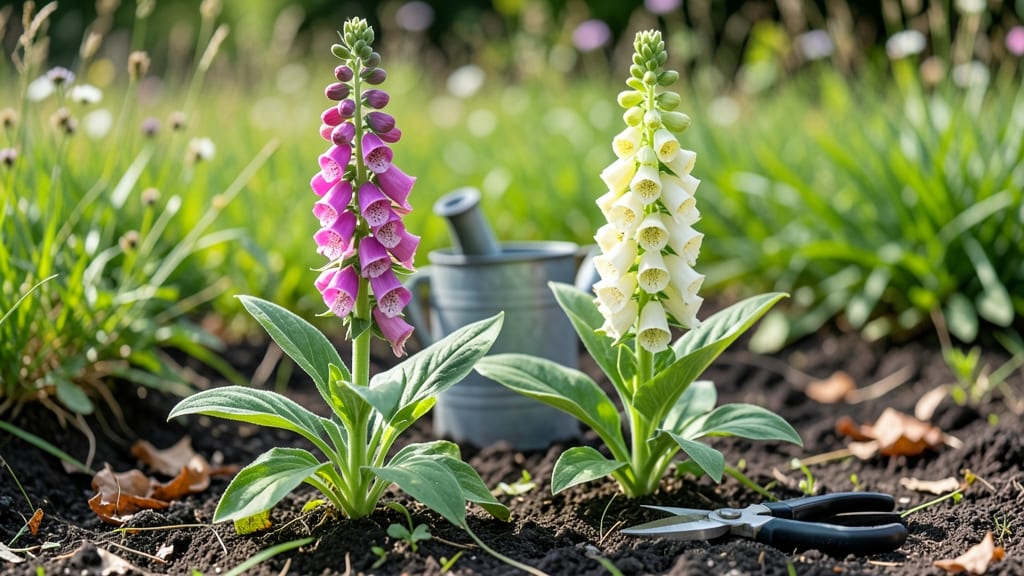
Foxglove thrives in full sun or shade, but the right light makes all the difference between towering, velvety blooms and sad, leggy stems.
Imagine planting your foxglove 🌸 in a sunny border, only to watch it stretch toward the sky like a starving plant—because it’s getting too much harsh afternoon sun. Or picture it wilting in deep shade, its signature spikes never forming. The key? Balancing its woodland roots with outdoor growing conditions.
This isn’t just about aesthetics—light affects toxicity levels, too. Too much sun can concentrate the plant’s natural compounds, making it riskier for pets and kids. Meanwhile, too little light weakens stems, turning your dramatic spires into floppy disappointment.
Below, I’ll break down the exact light conditions foxglove craves, how to adjust for your climate, and the sneaky signs your plant is begging for a better spot. No more guesswork—just lush, healthy blooms every season.

Foxglove light requirements: full sun vs. shade breakdown
Foxglove (Digitalis purpurea) thrives in environments that mimic its native woodland habitats, but modern gardens often push its limits. The key to success lies in understanding how light intensity affects its growth rate, bloom production, and even toxicity levels.
Too much sun can scorch leaves, while insufficient light weakens stems—both scenarios stress the plant and increase glycoside concentrations, making it more dangerous to pets and children.
In USDA Zone 6a (where foxglove grows best), morning sun with afternoon shade is ideal. However, regional variations matter: Pacific Northwest gardens may handle more direct light than sweltering Southern climates. Let’s break down how to balance these factors for healthier, safer foxgloves in your garden.
🌱 Pro Tip: Always plant foxglove in well-draining soil—poor drainage combined with wrong light conditions accelerates rot and toxicity buildup.
🌿 Foxglove Light Requirements Comparison
| Light Condition | Daily Sun Hours | Growth Impact | Bloom Quality | Toxicity Risk | Best For |
|---|---|---|---|---|---|
| Full Sun | 6+ hours | Faster growth, taller stems | Smaller, shorter-lived blooms | ↑ High (stress increases glycosides) | Drought-tolerant regions (Zones 7-9) |
| Partial Sun | 3-6 hours | Balanced growth, sturdy stems | Abundant, long-lasting blooms | ↓ Moderate (optimal health) | USDA Zones 5-8 (ideal for most) |
| Partial Shade | 2-3 hours | Slower growth, leggy stems | Fewer, smaller blooms | ↑ Moderate (stress from low light) | Woodland gardens, Zones 4-6 |
| Full Shade | <2 hours | Stunted growth, weak stems | Minimal to no blooms | ↑↑ Very High (stress + poor health) | Avoid—except under trees with dappled light |
⚠️ Note: Toxicity risk increases under stress conditions (full sun or shade extremes).
For Zone 6a gardeners, aim for 3-5 hours of morning sun followed by afternoon shade. This mimics foxglove’s natural understory habitat while preventing leaf scorch. In hotter climates (Zones 7-9), extend shade to 4-6 hours daily—even a lattice trellis can provide filtered light.
If your foxglove shows yellowing leaves or bleached patches, it’s getting too much sun. Conversely, pale stems and few blooms signal insufficient light. Adjust gradually: move plants 1-2 feet incrementally over 2-3 weeks to avoid shocking the roots.
💡 Regional Hack: In Pacific Northwest gardens, foxglove can handle full morning sun thanks to cooler temperatures. In the Southeast, prioritize east-facing beds to avoid afternoon heat.
Watering habits also interact with light exposure. Foxglove in full sun needs daily deep watering (1-1.5 gallons per plant), while those in partial shade thrive on weekly deep soaks. Overwatering stressed plants (either sun-scorched or shade-starved) worsens toxicity—always check soil moisture 2 inches deep before watering.
Best foxglove varieties for sun vs. shade gardens
Not all foxglove thrives equally in sun or shade—some varieties flourish in bright light while others crave woodland dappled shade.
The key lies in matching Digitalis species to your garden’s light conditions. Digitalis purpurea (common foxglove) is the most adaptable, but Digitalis grandiflora (yellow foxglove) and Digitalis ambigua (cushion foxglove) have distinct preferences.
For full-sun gardens, focus on heat-tolerant varieties like 'Excelsior' or 'Giant Candelabra', which handle 6+ hours of direct sun if given moist, well-draining soil. In shady spots, prioritize 'Pam's Choice' or 'Dalmatian', which thrive with 3–4 hours of filtered light and humidity-loving conditions.
| Variety | Ideal Light | Height (ft) | Care Tip |
|---|---|---|---|
| Digitalis purpurea ('Excelsior') | Full sun to partial shade | 4–6 ft | Stake tall spikes in hot climates |
| Digitalis grandiflora ('Golden King') | Partial shade (3–4 hrs) | 3–4 ft | Mulch to retain moisture |
| Digitalis ambigua ('Cushion') | Dappled shade (woodland) | 2–3 ft | Avoid direct afternoon sun |
| Digitalis purpurea ('Pam's Choice') | Partial shade (morning sun) | 3–5 ft | Deadhead spent blooms for rebloom |
If you’re in a hot, dry climate, even sun-loving varieties like 'Giant Candelabra' need afternoon shade to prevent leaf scorch. I’ve seen these plants wilt dramatically when moved from morning sun to intense afternoon heat—a classic sign of light stress.
For shade gardens, 'Dalmatian' foxglove’s bicolored blooms add drama without needing extra light.
Pro tip: Mix sun and shade varieties in layers. Plant tall sun-lovers (like 'Excelsior') at the back, with shade-tolerant cushions (like 'Cushion') in front. This creates a textured foxglove display that thrives year after year with minimal fuss.
Remember, foxglove is toxic to pets—always plant it where curious critters can’t nibble. And if your garden has humid summers, prioritize well-draining soil to prevent root rot, even in shade-loving varieties.
For container gardening, choose compact varieties like 'Dalmatian' and place them in east-facing pots to avoid midday sunburn. A 12-inch pot with moist potting mix keeps roots happy without overcrowding.