
Light Requirements
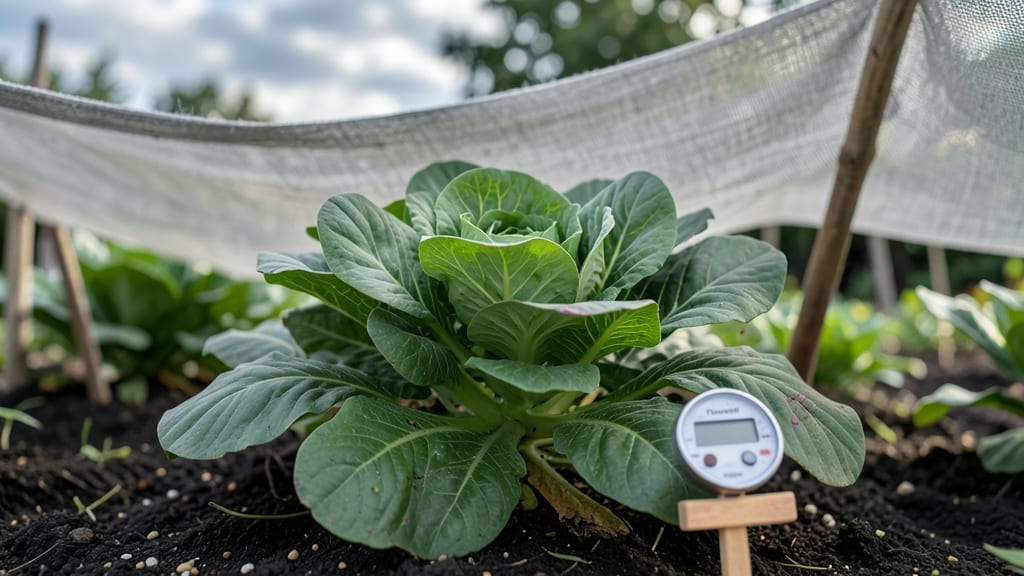
Growing crisp, flavorful lettuce 🥬 depends on mastering the balance between full sun and shade—too much of either can turn your harvest into bitter, bolted disappointment.
Picture this: you’ve nurtured your seedlings for weeks, only to watch them wilt under the midday sun or stretch leggy in deep shade. The truth? Lettuce thrives in partial shade, but the right amount varies by variety, season, and even your climate zone.
In this guide, I’ll break down exactly how much sun your lettuce 🥬 needs—whether you’re growing leafy greens or tight heads—and share the secrets to keeping them crisp, sweet, and ready for harvest.
You’ll learn how to adjust for summer heat, which varieties handle full sun best, and the easiest shade solutions to protect your plants without sacrificing growth.

Lettuce in full sun vs. shade: the truth about light requirements
If you've ever planted lettuce only to watch it bolt into bitter, flowery stems, you're not alone. The light requirements for lettuce are often misunderstood—some gardeners swear by partial shade, while others thrive with morning sun.
The truth? It depends on the variety and your climate. Let’s break down how each type responds to different light conditions so you can grow crisp, flavorful lettuce all season.
Lettuce is a cool-season crop that naturally prefers 3-6 hours of sunlight daily, but too much heat can trigger bolting—the process where plants send up flowers instead of leaves. In hot climates, even full sun lettuce needs afternoon shade, while in cooler regions, it can handle more direct light.
The key is understanding your local microclimate and choosing the right lettuce varieties for your garden’s conditions.
Here’s the game-changer: leaf lettuce (like romaine and looseleaf) often handles more sun than butterhead or head lettuce, which are more sensitive to heat. But don’t assume all lettuce thrives in shade—some varieties actually need sunlight to develop their signature flavors.
Let’s compare how each type performs under different light scenarios.
As you can see, romaine and butterhead lettuce are the most sensitive to heat, while leaf lettuce and looseleaf varieties can handle more sun—especially in cooler climates.
The bolting risk is highest when lettuce gets too much direct afternoon sun, which is why many gardeners use shade cloth or plant lettuce under dappled shade from trees during summer months.
But here’s the catch: morning sun is actually beneficial for lettuce. The cool temperatures of early daylight help prevent bolting while still providing enough light for photosynthesis.
If you’re growing lettuce in a hot climate, aim for 3-4 hours of morning sun and protect it from the intense afternoon rays. A simple trick? Plant lettuce near taller plants or use a 30-50% shade cloth to filter sunlight
How to grow lettuce in full sun without bolted bitter leaves
Growing lettuce in full sun can be tricky—too much heat and your crisp leaves turn bitter or bolt before harvest. The key is choosing the right varieties and managing sunlight exposure carefully. With the right approach, you can grow tender lettuce even in sunny spots without sacrificing flavor or texture.
Most gardeners assume lettuce thrives in partial shade, but with smart techniques, you can grow it successfully in full sun. The secret lies in selecting heat-tolerant varieties, maintaining consistent soil moisture, and providing afternoon shade when temperatures rise. Let’s break down how to do it right.
⚠️ Full Sun Warning
Lettuce bolts when exposed to consistent temperatures above 75°F for prolonged periods. To prevent this, limit direct sun to 3-4 hours/day in hot climates or use afternoon shade. Morning sun is ideal—it warms leaves gently without stressing the plant.
Signs of too much sun: Yellowing leaves, bitter taste, or premature flowering (bolting). Adjust your garden layout to protect your lettuce from harsh afternoon rays.
Start by selecting heat-tolerant varieties like romaine, buttercrunch, or looseleaf lettuce. These types handle warmer conditions better than delicate iceberg or bibb lettuce. For example, Jericho romaine and Black Seeded Simpson are excellent choices for full sun gardens.
Keep soil consistently moist to prevent stress-induced bolting. Water deeply in the morning to encourage strong root growth and reduce evaporation. A 2-3 inch layer of mulch around plants helps retain moisture and keeps roots cool. Organic mulches like straw or shredded leaves work best.
If your garden receives intense afternoon sun, create shade using dappled light techniques. Plant taller crops like sunflowers or corn nearby to cast natural shade, or use shade cloth (30-50%) during peak heat hours. Even a simple DIY shade structure with lightweight fabric can make a difference.
For a foolproof approach, try successive planting in spring and fall when temperatures are cooler. Plant new seeds every 2-3 weeks to ensure a continuous harvest before summer heat sets in. In containers, choose shallow pots and place them in spots with morning sun and afternoon shade.
Finally, monitor your lettuce closely for signs of stress. If leaves start yellowing or taste bitter, move plants to a shadier spot immediately. With these strategies, you’ll enjoy crisp, flavorful lettuce even in full sun—no bolting required! 🥬