
Tools
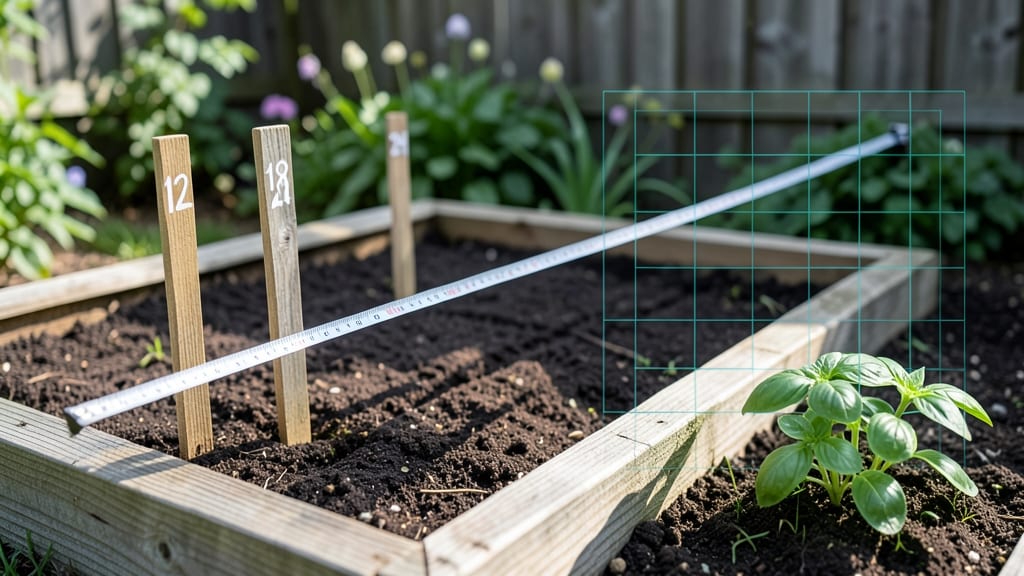
Determining garden bed measurements requires balancing plant spacing needs, sunlight exposure, and crop yield goals—typically 3 to 4 feet wide for easy reach, 12 to 18 inches deep for root growth, and 4 to 6 feet long for efficient layout. Adjust dimensions based on plant maturity and companion planting strategies.
Your garden bed's dimensions directly impact how well your plants grow and how much you can harvest. 🌱 The width is the most critical factor for accessibility—anything wider than 4 feet makes reaching the center difficult without stepping on soil, which compacts it.
Meanwhile, the depth ensures roots have enough space to spread, while the length determines how many rows you can fit. For example, leafy greens like lettuce thrive in shallower beds (6 inches deep), while root vegetables like carrots need the full 12-18 inches for proper development.
Beyond the basics, consider your garden's layout. Longer beds (up to 8 feet) work well for raised beds, but ground-level beds rarely exceed 6 feet to prevent soil erosion.
If you're growing tall plants like tomatoes or corn, leave extra space between rows to ensure sunlight reaches all plants equally. Pro tip: sketch your garden layout first—this helps visualize how different plants will interact and maximizes your growing space without overcrowding.
💡 In This Article
- How Plant Spacing Affects Garden Bed Dimensions
- Calculating Garden Bed Size for Maximum Yield
How plant spacing affects garden bed dimensions
Plant spacing isn't just about fitting more crops into a limited area—it's about creating an ecosystem where each plant thrives. 🌱 Root systems compete for nutrients and water, so spacing determines how aggressively plants spread.
For example, a mature tomato plant can reach 2-3 feet wide with a 2-foot-tall canopy, while carrots only need 2 inches of space between seeds but require 12 inches of depth to grow properly.
The key is matching the bed dimensions to the plant's mature size: wider beds for sprawling plants like squash, narrower for compact herbs like thyme.
Sunlight competition is another critical factor. Plants in the center of a bed receive 50-70% less light than those at the edges due to shading from neighbors.
This is why most gardeners limit bed widths to 4 feet—you can reach the center without stepping on soil, which compacts it and reduces aeration.
For taller plants like corn or sunflowers, spacing rows 18-24 inches apart ensures each plant gets adequate sunlight, while shorter plants like lettuce can tolerate closer spacing (6-12 inches) since they don't cast as much shade.
Air circulation prevents fungal diseases like powdery mildew, which thrive in humid, stagnant conditions.
Proper spacing creates airflow that reduces moisture buildup on leaves. 🌬️ For instance, basil plants need 8-12 inches between stems to prevent bacterial leaf spot, while onions can grow happily in rows just 4 inches apart because they're less prone to fungal issues.
Even herbs like rosemary, which naturally grow in dry climates, benefit from spacing that mimics their wild conditions—typically 2-3 feet apart in well-drained soil.
Depth matters just as much as width. Shallow-rooted plants like radishes only need 6 inches of soil, while deep-rooted crops like asparagus require 12-18 inches to establish properly.
The soil's texture also plays a role: sandy soil drains quickly but may not hold enough nutrients, while clay soil can suffocate roots if not amended. For example, potatoes need 12 inches of loose, aerated soil to prevent rot and allow tubers to form undisturbed.
Companion planting can also influence your bed dimensions. Pairing plants with complementary needs—like planting basil near tomatoes to repel pests—can let you fit more into a smaller space. However, some combinations (like onions and beans) require careful spacing to avoid competition.
For instance, a 3-foot-wide bed might accommodate two rows of tomatoes with basil interplanted, while a 4-foot bed could fit three rows with adequate spacing for both plants to thrive.
One common mistake is assuming all plants need the same depth. For example, leafy greens like spinach thrive in 6-inch-deep beds, while root crops like beets need the full 12-18 inches.
If you're growing a mix, consider dividing your garden into zones: deeper beds for root vegetables and shallower ones for greens. This layering approach maximizes your space and ensures each plant gets the conditions it needs to flourish.