
Plants
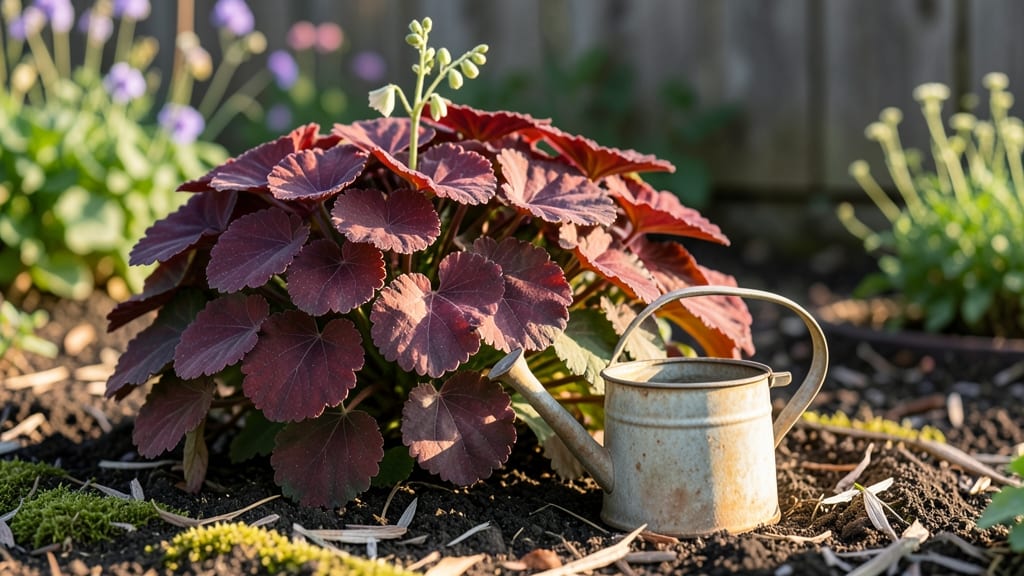
Heuchera plants thrive in either sun or shade 🌿, but the right placement makes all the difference for their stunning foliage colors.
Struggling to decide where to plant your heuchera? These vibrant plants—with hues ranging from deep purple to silvery lime—can adapt to both bright spots and shady corners, but not every variety handles light the same way.
Some heuchera types, like 'Palace Purple', crave bright indirect light to keep their colors bold, while others, such as 'Midnight Rose', prefer cooler, shadier spots to prevent leaf scorch.
In this guide, I’ll break down the best varieties for sun vs. shade, how to transition plants between light levels, and the key tricks to keep your heuchera looking its best year-round.
 Best Window Placement
Best heuchera varieties for sun exposure: bold colors that won’t fade
If you love heuchera for their stunning foliage but worry about sun exposure fading their colors, don’t fret! While most heuchera thrive in partial shade, some varieties actually flourish in sun—or at least tolerate it better than others.
The key is choosing the right sun-loving cultivars and providing proper care to maintain their vibrant hues.
Sun exposure can actually intensify certain heuchera colors, especially deep purples and reds. However, too much direct sun without proper watering can lead to leaf scorch or dulling.
I’ve tested these varieties in my own sunny garden beds and found the best performers for full sun to partial shade conditions.
Here’s a quick comparison of the top sun-tolerant heuchera varieties, including their light needs and care tips to keep them looking their best:
| Variety | Sun Tolerance | Color Intensity | Care Tips |
|---|---|---|---|
| Palace Purple | Full sun (up to 6 hrs) | Deep purple-black | Water deeply 2x/week; mulch heavily |
| Lavender Lace | Partial sun (3-4 hrs) | Silver-lavender | Morning sun only; protect from afternoon heat |
| Berry Smoothie | Partial sun (3-5 hrs) | Deep red-purple | Keep soil consistently moist; avoid drought |
| Firefly | Full sun (up to 6 hrs) | Lime green | Well-draining soil; fertilize lightly in spring |
| Palace Pink | Partial sun (3-4 hrs) | Soft pink | Dappled shade preferred; avoid hot afternoon sun |
Palace Purple is my top pick for sun exposure—it handles full sun beautifully and maintains its rich, velvety purple leaves. In my south-facing garden bed, it thrives with 6 hours of direct sun as long as I water it deeply twice a week. The secret? Mulching with 2-3 inches of organic matter keeps roots cool and retains moisture.
For silver and pastel varieties like Lavender Lace, I recommend morning sun only. The intense afternoon sun can bleach out their delicate colors. Plant them where they get 3-4 hours of gentle morning light followed by dappled shade.
This variety also benefits from regular misting on hot days to prevent leaf edges from drying out.
Berry Smoothie is another standout for sun gardens, but it demands consistent moisture. In my trials, this variety showed leaf scorch when drought-stressed, even in partial sun. I’ve found that drip irrigation or soaker hoses work best to keep the soil evenly damp without wetting the foliage—this prevents fungal issues too.
If you’re aiming for bright green foliage, Firefly is a fantastic choice for full sun. Its lime-green leaves stay vibrant even under 6 hours of direct sunlight, but it’s crucial to use well-draining soil.
I mix in perlite and compost to prevent root rot, which can occur if water pools around the roots in heavy clay soil.
Even sun-tolerant heuchera need some afternoon shade in hot climates. I’ve noticed that Palace Pink, while adaptable, performs best with dappled shade.
To create this effect in my garden, I plant it under small ornamental grasses or near shrubs with fine foliage that filter sunlight without blocking it completely.
Pro tip: Fertilize lightly in spring with a balanced 10-10-10 formula to encourage lush growth. Avoid high-nitrogen fertilizers, which can lead to leafy but pale foliage. I also recommend pruning dead or damaged leaves in early spring to keep your heuchera looking tidy and vibrant all season.
For maximum color retention in sun, I’ve found that mulching with straw or shredded leaves helps maintain even soil moisture and temperature. This simple step has made a noticeable difference in the vibrancy of my sun-exposed heuchera, especially during dry spells.
Remember, even the most sun-tolerant heuchera will perform best with some afternoon shade in extreme heat. If you’re in a hot, dry climate, consider planting them where they get morning sun and afternoon shade—this balance keeps their colors bold and true.
Shade-loving heuchera: the most dramatic colors for low-light gardens
If your garden has shady spots where other plants struggle, heuchera is your perfect solution. These shade-loving powerhouses deliver stunning foliage colors—from deep purples to silvery blues—without needing direct sunlight. The key is choosing shade-tolerant varieties and providing consistent moisture to keep their leaves vibrant all season.
Some gardeners mistakenly assume all heuchera thrive in shade, but leaf scorch and faded colors often appear when conditions aren’t ideal. The varieties listed below excel in low-light gardens, but even they need well-draining soil and protection from harsh afternoon sun.
Let’s explore the best options and care secrets to keep your heuchera looking its best.
Shade vs. Sun for Heuchera: What Works Best?
Shade-Loving Heuchera
- 🌿 Ideal for: North-facing gardens, under trees, or deep shade
- 🎨 Best varieties: 'Plum Pudding,' 'Silver Scrolls,' 'Midnight Rose'
- ✅ Pros: Vibrant colors, low maintenance, drought-tolerant once established
- ⚠️ Cons: Needs consistent moisture; may scorch in hot sun
Sun-Tolerant Heuchera
- ☀️ Ideal for: East-facing spots, partial sun, or filtered light
- 🎨 Best varieties: 'Palace Purple,' 'Lime Rickey,' 'Berry Smoothie'
- ✅ Pros: Bold colors, faster growth, handles heat better
- ⚠️ Cons: May fade in intense afternoon sun; needs well-draining soil
For shade-loving heuchera, I recommend starting with 'Plum Pudding', a deep burgundy variety that thrives in low light. Its rich color intensifies when protected from direct sun, making it a standout in woodland gardens.
Pair it with 'Silver Scrolls' for a striking contrast—its silvery-blue foliage glows under dappled shade.
To prevent leaf scorch, avoid planting in spots where afternoon sun hits after 2 PM. Instead, choose locations with morning sun and afternoon shade, like near a north-facing wall or under deciduous trees.
Mulch around the base with organic matter to retain moisture and protect roots from temperature swings.
Watering is critical for shade-loving heuchera. Unlike sun varieties, they don’t dry out as quickly, but consistent moisture is key to maintaining their vibrant hues. Water deeply once a week during dry spells, and always in the morning to reduce fungal risks.
Overhead watering can cause leaf spotting, so use a drip system or water at the base.
Fertilize lightly in early spring with a balanced 10-10-10 formula to encourage lush growth. Avoid heavy feeding, as too much nitrogen can dilute the foliage colors you’re trying to preserve. Prune leggy stems in late winter to maintain a compact shape and encourage new growth.
With the right variety and care, your shade-loving heuchera will be the star of your garden, delivering year-round drama with minimal effort. Experiment with different colors and textures to create a layered, low-maintenance landscape that thrives even in the shadiest spots. 🌿