
Shrubs
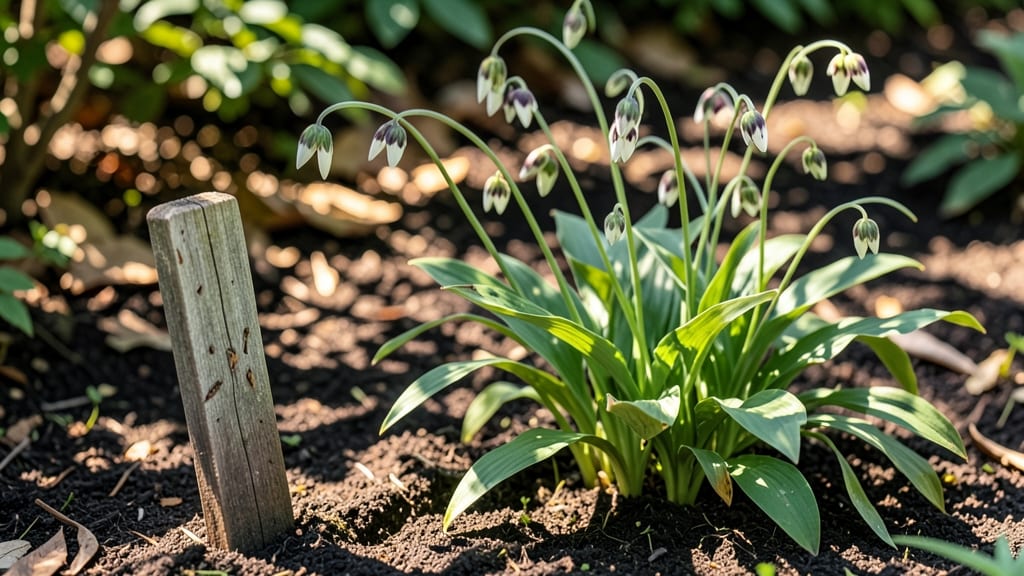
Solomon's seal thrives in sun or shade 🌿, but getting the balance right is the secret to those lush, arching stems and fragrant blooms you love.
Picture this: your Solomon's seal stretching tall and leggy, or worse, wilting in the heat—both signs you’ve got the light wrong. The good news? This adaptable plant gives you flexibility, whether you’ve got a sunlit border or a shady woodland edge.
Most gardeners assume Solomon's seal needs shade, but the truth is, it handles partial sun beautifully—just not the harsh afternoon rays. I’ll show you exactly how to read your garden’s light conditions and tweak care to keep your plant happy year-round.
From picking the perfect spot to fixing common light-related issues, you’ll learn the proven tricks to grow Solomon's seal that’s stronger, greener, and more reliable—no guesswork involved.
 Best Window Placement
Solomon's seal sun requirements: finding the perfect balance for optimal growth
If you're growing Solomon's seal (Polygonatum spp.), one of the biggest questions is whether it thrives in sun or shade. The good news? This graceful perennial is incredibly adaptable, but finding the right balance is key to lush foliage and vibrant blooms.
Most varieties prefer partial shade, particularly in hotter climates, while others can handle more sunlight with proper care. Let's break down how to assess your garden's conditions and give your Solomon's seal the perfect light environment.
Understanding your garden's microclimates is the first step. Even a small yard can have sunlit spots, shaded corners, and areas with dappled light from nearby trees. Solomon's seal grows best in locations with morning sun and afternoon shade, which mimics its natural woodland habitat.
Too much direct afternoon sun can scorch its delicate leaves, while too little light may result in sparse growth and fewer flowers. Let's explore how to identify the ideal spot for your plants.
Comparison Table: Solomon's Seal Light Requirements
| Light Condition | Daily Sun Exposure | Ideal Location | Plant Response |
|---|---|---|---|
| Full Shade | 0-2 hours | North-facing walls, dense tree canopies | Slow growth, fewer flowers, pale foliage |
| Partial Shade | 2-4 hours | Dappled sunlight, morning sun with afternoon shade | Healthy growth, abundant foliage, regular blooms |
| Partial Sun | 4-6 hours | East-facing beds, filtered light through trees | Vigorous growth, more flowers, risk of leaf scorch in heat |
| Full Sun | 6+ hours | South or west exposures (with afternoon shade) | Leggy growth, leaf burn, reduced flowering |
For most gardeners, partial shade (2-4 hours of direct sunlight per day) is the sweet spot for Solomon's seal. This means planting your plants where they receive gentle morning sunlight and protection from the intense afternoon rays.
If your garden has east-facing beds, these are ideal spots because they offer morning sun without the harsh afternoon heat. West-facing areas should be avoided unless you provide afternoon shade with a tall plant or lattice structure.
Assessing your garden's sunlight patterns is easier than you think. Spend a day observing different areas at various times. Use a sunlight tracker or simply mark spots with chalk to track how sunlight moves throughout the day.
Pay special attention to areas under trees, near fences, or between buildings—these spots often create perfect microclimates for shade-loving plants like Solomon's seal. Remember, even a small adjustment in location can make a big difference in your plant's health.
If you notice your Solomon's seal developing yellow leaves or long, leggy stems, it's often a sign of too much light. These plants stretch toward the sun when they don't get enough shade, which weakens their structure and reduces flowering.
On the other hand, if the leaves appear dark green and sparse with few blooms, your plant might be getting too little light. The key is to find that balanced middle ground where your Solomon's seal can thrive without stress.
Another trick for optimizing light conditions is to plant Solomon's seal near other shade-tolerant perennials. Pairing it with hostas, ferns, or heucheras creates a natural shade canopy that protects its delicate foliage while adding visual interest to your garden.
This layering technique also helps retain soil moisture, which is crucial for healthy growth. Just be mindful of competitive root systems—give each plant enough space to spread without crowding.
For gardeners in hotter climates, providing afternoon shade is non-negotiable. If your Solomon's seal is planted in a south or west-facing bed, consider installing a lightweight shade cloth (30-50% shade) during peak summer months. This simple addition can prevent leaf scorch and keep your plants looking their best.
Alternatively, plant taller shrubs or small trees nearby to create natural shade over time. The goal is to replicate the dappled light conditions found in their native woodland habitats.
Don't forget to consider seasonal changes when planning your Solomon's seal's light exposure. In spring and fall, when sunlight is less intense, your plants can handle more direct light. However, during the height of summer, even partial sun areas can become too hot.
Adjusting your care routine—like increasing watering frequency during heatwaves—can help your plants cope with temporary light changes. Flexibility is key when growing Solomon's seal in varying light conditions.
With the right light balance, your Solomon's seal will reward you with arching stems, glossy foliage, and delicate hanging flowers from late spring to early summer.
Whether you're working with a shady woodland garden or a sunny border, understanding your plant's light needs is the first step to creating a thriving, low-maintenance perennial garden. Happy gardening! 🌿
Shade-loving Solomon's seal varieties: best choices for low-light gardens
If your garden has shady corners where other plants struggle, Solomon's seal (Polygonatum spp.) is your perfect solution. These elegant perennials thrive in low-light conditions, offering lush foliage and delicate dangling flowers.
The key lies in selecting the right shade-tolerant varieties—each with unique growth habits to transform dark spaces into vibrant displays.
Not all Solomon's seal varieties handle shade equally. Some varieties like Polygonatum odoratum 'Variegatum' or P. hybridum 'Blue Mist' excel in deep shade, while others may need filtered light to prevent leggy growth.
I’ll guide you through the top 5 shade-loving cultivars, their ideal growing conditions, and how to maximize their potential in your garden’s dimmest spots.
| Variety | Shade Tolerance | Mature Height | Key Features |
|---|---|---|---|
| Polygonatum odoratum 'Variegatum' | Full shade | 3-4 ft | Striking variegated leaves; fragrant flowers |
| Polygonatum hybridum 'Blue Mist' | Partial to full shade | 2-3 ft | Compact growth; blue-tinged foliage |
| Polygonatum odoratum 'Striatum' | Full shade | 4-5 ft | Bold striped leaves; upright habit |
| Polygonatum commutatum 'Dwarf Blue' | Partial shade | 1-2 ft | Dwarf variety; blue-green foliage |
| Polygonatum odoratum 'Punctatum' | Full shade | 3-4 ft | Spotted leaves; slow-spreading |
For full shade gardens, Polygonatum odoratum 'Variegatum' and 'Striatum' are my top picks. Their variegated or striped foliage adds visual interest even in the darkest spots. Plant them under tall trees or along north-facing walls where sunlight barely reaches.
These varieties handle low-light stress better than others, making them ideal for woodland gardens or shady patios.
If your garden receives filtered light (like dappled sunlight through tree canopies), consider P. hybridum 'Blue Mist'. This variety thrives in partial shade and produces vibrant blue-tinged foliage that brightens shady areas.
Pair it with hostas or ferns for a lush, layered look. Remember, even in shade, these plants need well-draining soil—amend heavy clay with compost or sand to prevent root rot.
To maximize their potential, mulch annually with 3-4 inches of organic mulch (like shredded bark) to retain moisture and regulate soil temperature. In low-light conditions, avoid over-fertilizing—too much nitrogen can lead to weak, leggy growth.
Instead, focus on balanced fertilization in early spring and consistent watering during dry spells. With the right care, your shade-loving Solomon's seal will reward you with year-round greenery and delicate blooms.
🌿