
Light Requirements
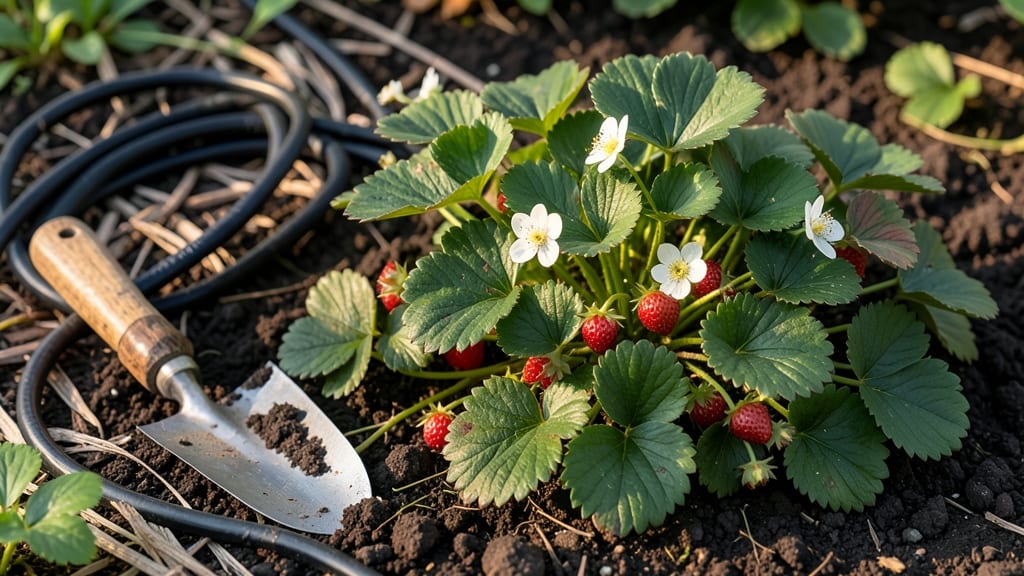
Strawberries can grow in partial shade, but their success depends on the right variety and care—especially in Zone 6a where sunlight is limited.
If you’ve ever dreamed of growing luscious 🍓 but thought your shady garden spot was a dealbreaker, think again—some varieties thrive in partial shade with the right care.
The key is choosing shade-tolerant types like Albion or Seascape, which handle 4-6 hours of morning sun better than full sun lovers.
Partial shade slows fruit production but boosts flavor and reduces stress on plants. With the right soil prep—rich in organic matter—and consistent watering, you can still enjoy a harvest, just a smaller one. Below, I’ll share the best varieties for your conditions and how to maximize their potential.
Ready to turn your shady patch into a strawberry haven? Let’s dive into the secrets of shade-friendly 🍓 cultivation, from soil tricks to sunlight hacks that work.
 Best Window Placement
Shade-tolerant strawberry varieties that actually thrive in partial sun
Most gardeners assume strawberries need full sun to produce sweet, abundant fruit—but that’s not always true. Partial shade varieties exist that adapt beautifully to 4-6 hours of sunlight daily, making them perfect for spots under trees or on north-facing patios.
These varieties sacrifice some yield but deliver higher-quality berries with better disease resistance in shady conditions.
The key difference between shade-tolerant and sun-loving strawberries lies in their growth habits. Sun-loving varieties like Chandler or Jewel prioritize rapid fruit production, while shade varieties focus on leafy growth and gradual ripening.
This means you’ll need to adjust your expectations for harvest timing and quantity but still enjoy delicious berries.
Here’s how these varieties break down by type: June-bearing (one harvest season), everbearing (two harvests), and day-neutral (continuous production). Each has unique shade tolerance, so I’ll highlight the best performers in each category for your region.
Regional suitability matters too—cooler climates (USDA Zones 3-6) handle partial shade better than hot zones (7-10). In warmer areas, afternoon shade protects berries from sun scald, while cooler regions benefit from morning sun to kickstart growth.
Let’s dive into the top shade-tolerant varieties and what you can expect from them in terms of yield, flavor, and care requirements. The right choice depends on your microclimate and gardening goals, whether you want a steady supply or a single abundant harvest.
⚠️ NON-NEGOTIABLE: If you’re planting in deep shade (under 4 hours of sun), even the best varieties will struggle. Aim for at least 6 hours of filtered light—like dappled sunlight through tree branches—to see the best results.
| Variety | Type | Shade Tolerance | Yield | Flavor | Best For |
|---|---|---|---|---|---|
| Albion | June-bearing | High (4-6 hrs sun) | Moderate (late June) | Sweet, firm | Cool climates (Zones 3-6) |
| Seascape | Day-neutral | Moderate (6+ hrs sun ideal) | High (continuous) | Juicy, balanced | Containers, warm zones |
| Ozark Beauty | June-bearing | High (morning sun) | Moderate (early June) | Tart-sweet, large | Shady patios, north slopes |
| Eversweet | Everbearing | Moderate (4-6 hrs sun) | High (spring/fall) | Sweet, firm | Extended harvests |
| Tristar | Day-neutral | High (6+ hrs sun ideal) | Very high (year-round) | Sweet, glossy | Urban gardens, pots |
June-bearing varieties like Albion and Ozark Beauty deliver a single abundant harvest in late spring/early summer but require full winter dormancy. These are ideal for cooler climates (Zones 3-6) where afternoon shade prevents sunburn on berries.
Everbearing types such as Eversweet produce two harvests per year—one in spring and another in fall—but need at least 6 hours of morning sun to set fruit. Their shade tolerance is moderate, making them better for partial shade with dappled light.
Day-neutral varieties like Seascape and Tristar are the best performers in partial shade because they fruit continuously throughout the growing season. These thrive in containers or urban gardens with 4-6 hours of filtered light and deliver higher yields than June-bearing types in low-light conditions.
If you’re in a hot climate (Zones 7-10), prioritize varieties like Seascape or Tristar—they handle afternoon shade better and produce smaller but sweeter berries than sun-loving types. In cooler zones, Albion or Ozark Beauty will reward you with larger fruit and better disease resistance.
For container gardening, choose day-neutral types
How to optimize strawberry growth in partial shade: soil, watering & light hacks
Partial shade doesn’t have to mean giving up on your strawberry dreams! With the right soil prep, watering schedule, and light hacks, you can coax even shade-tolerant varieties into producing sweet, plump berries.
The key is understanding how to compensate for reduced sunlight while preventing common pitfalls like leggy growth or weak fruit development.
Strawberries naturally crave 6+ hours of sunlight, but some varieties adapt well to 4-6 hours of filtered light. The trick lies in optimizing their environment—think of it as giving them a sunlight boost where they can.
I’ve grown thriving strawberry patches under large trees and near north-facing walls, and the secret isn’t just choosing the right plants—it’s about soil health, strategic pruning, and even creative light solutions like reflective surfaces.
5 Essential Hacks for Partial Shade Success
- 🌱 Amend soil with compost + perlite to improve drainage and aeration—strawberries hate soggy roots in shade.
- 💧 Water deeply in the morning to prevent fungal diseases; shade slows evaporation, so soil stays wet longer.
- ☀️ Use reflective mulch (white gravel or aluminum foil) under containers to bounce extra light onto leaves.
- ✂️ Prune aggressively to remove yellow leaves and encourage new growth toward the light source.
- 🪴 Choose containers with south-facing exposure; black pots absorb heat, while white reflects light onto roots.
Let’s start with soil optimization, the foundation of shade gardening. Strawberries in partial shade need rich, well-draining soil packed with organic matter. I mix 50% garden soil, 30% compost, and 20% perlite to create a fluffy, nutrient-dense medium.
This prevents root rot (a major shade risk) while ensuring roots get the oxygen they need. A soil test for pH 5.8-6.5 is non-negotiable—strawberries are fussy about acidity!
Watering in shade requires a gentler touch than in full sun. Since shade slows evaporation, you’ll need to water less frequently but more deeply.
I use the "finger test": stick your finger 1 inch into the soil—if it’s dry, water until moisture reaches 4 inches down. Morning watering is critical to prevent fungal issues like gray mold, which thrives in damp, shady conditions.
Mulch with straw or wood chips to retain moisture and regulate soil temperature.
When sunlight is limited, maximizing light exposure becomes a game-changer. Place containers on reflective surfaces like white plastic trays or aluminum foil to bounce light onto leaves. If growing in-ground, position plants near east-facing walls or under dappled sunlight from deciduous trees.
For container growers, rotate pots quarter-turns weekly to ensure even light exposure. Even 1-2 extra hours of morning sun can double your yield!
Don’t overlook pruning and maintenance—these are your secret weapons against leggy, weak plants. Remove old leaves and runners to redirect energy to fruit production. I prune every 2 weeks during peak growth, snipping back overly long stems to encourage bushier, more productive plants.
After harvest, give your strawberries a light trim to remove damaged foliage and prep for next season’s growth.
With these shade-specific strategies, you’ll be harvesting sweet, sun-kissed strawberries even in the shadiest spots. The key is patience and precision—strawberries in partial shade grow slower but reward you with intensely flavorful fruit when cared for properly.
Start with Albion or Seascape varieties, and soon you’ll be the envy of your neighborhood! 🍓