
Orchid Care
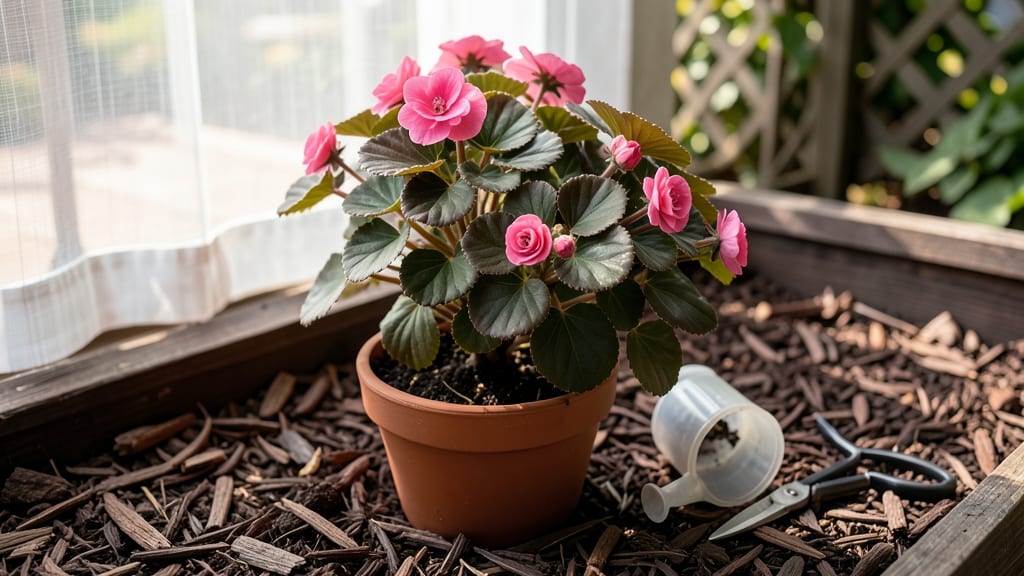
Whether you prefer wax begonia in sun or shade, these beauties flourish with bright, indirect light—like an east-facing window or a spot under dappled tree branches. 🌸
Struggling to keep your wax begonia blooming year-round? The secret lies in mastering its light needs—whether it thrives in sun, shade, or a clever mix of both. Too much direct sun can scorch those delicate leaves, while too little light means sparse blooms and leggy stems.
Most gardeners assume wax begonias are low-maintenance shade plants, but the truth is more nuanced. These beauties actually need a balance of light and protection, adjusting as seasons shift. A little morning sun can boost blooms, but harsh afternoon rays will fry them.
Below, I’ll break down the exact light conditions your wax begonia craves, seasonal tweaks to keep it happy, and how to spot when it’s getting too much—or too little—sun.
 Best Window Placement
Wax begonia sun requirements: how much light is too much?
Wax begonias are stunning foliage plants known for their glossy leaves and delicate blooms, but they’re fussy about sunlight. Too much sun scorches their leaves, while too little shade leads to leggy growth and sparse flowers.
The key is finding that sweet spot of partial shade—bright but indirect light that keeps them thriving year-round.
Most wax begonias thrive in 4-6 hours of filtered light daily, ideally from an east-facing window or under dappled shade. Morning sun is gentler than afternoon heat, which can burn tender leaves.
If your plant is in a west-facing window, you’ll need to filter the light with sheer curtains or a sheer fabric.
Signs of too much sun include crispy, brown leaf edges or bleached patches on foliage. These are classic sunburn symptoms that mean your begonia is overheating. On the flip side, leggy stems and pale leaves signal insufficient light, causing the plant to stretch toward any available brightness.
Here’s how to acclimate wax begonias to brighter conditions safely: Start by placing them in partial shade for a week, then gradually move them to sunnier spots over 2-3 weeks. This slow transition prevents shock and helps them adjust to higher light levels without damage.
| Light Condition | Ideal Hours/Day | Best Location | Plant Response |
|---|---|---|---|
| Morning Sun | 2-4 hours | East window or patio | Healthy growth, vibrant blooms |
| Afternoon Shade | Indirect light | North window or under trees | Prevents leaf scorch, maintains color |
| Direct Midday Sun | 0-1 hour | Avoid south/west exposure | Risk of sunburn, crispy edges |
| Deep Shade | 0-2 hours | North-facing room, no direct light | Leggy growth, pale leaves, few blooms |
Seasonal adjustments are critical for wax begonias, especially in hot climates. During summer, move potted plants to shadier spots or even indoors if temperatures exceed 85°F (29°C).
In cooler months, they can handle more light, making winter a great time to brighten their environment to encourage blooming.
If you’re growing wax begonias outdoors, container placement is everything. Use light-colored pots to reflect excess heat and avoid dark containers that absorb sunlight and cook roots. Elevate pots on cactus pads or saucers to improve airflow and prevent root rot from trapped heat.
For indoor growers, grow lights can be a lifesaver. A 12-hour photoperiod with a cool-white LED bulb (5000-6500K) mimics natural light and prevents etiolation (stretched, weak growth). Position lights 6-12 inches above the plant and adjust height as it grows.
Pro tip: Rotate your wax begonia quarter-turns weekly to ensure even light exposure on all sides. This prevents lopsided growth and keeps foliage symmetrical and lush. Pair this with regular pruning to remove leggy stems and encourage bushier, fuller growth.
Remember, wax begonias are not drought-tolerant, so consistent moisture is key—especially when adjusting light levels. Water deeply when the top inch of soil feels dry, and always use room-temperature water to avoid shocking the roots.
With the right light balance, your wax begonia will reward you with glossy leaves and continuous blooms all season long. 🌸
Shade-loving wax begonia care: the perfect low-light setup
Wax begonias are the unsung heroes of shaded gardens, thriving where many plants falter. Their glossy, waxy leaves and delicate blooms make them perfect for low-light spaces, but getting the setup right is key.
Too little light leads to leggy stems and sparse flowers, while too much can scorch their delicate foliage. Let's fix that with a foolproof shade care guide that keeps your begonias lush year-round.
First, understand that wax begonias prefer bright indirect light—think dappled sunlight filtering through trees or an east-facing window. This 4-6 hours of gentle light daily is ideal, but many gardeners accidentally create environments that are too dark or too harsh.
The solution? A balanced approach combining natural shade, strategic grow lights, and humidity control to mimic their natural tropical habitat.
⚠️ Shade Mistake Alert!
Placing wax begonias in deep shade (no direct light) causes leggy growth and fewer blooms. Conversely, afternoon sun burns their leaves, creating crispy brown edges. The fix? East-facing light or artificial grow lights 12-14 hours/day for indoor plants.
Start by positioning your wax begonia near a north or east window, where light is softest. If your space lacks natural light, invest in a full-spectrum LED grow light placed 6-12 inches above the plant.
These lights mimic sunlight without the harsh UV rays, promoting compact growth and vibrant blooms. For best results, use lights for 12-14 hours daily, especially in winter when daylight fades.
Humidity is the secret weapon for shade-loving begonias. These tropical plants thrive in 50-70% humidity, but indoor air is often drier. Boost moisture by placing the pot on a pebble tray with water or using a humidifier nearby.
Grouping plants together also creates a microclimate that retains moisture. Avoid misting leaves directly—this can cause foliar diseases—but light misting in the morning is fine for larger leaves.
Watch for signs of light stress: yellowing leaves mean too much light, while pale, stretched stems signal insufficient light. Adjust your setup by moving the plant closer to a window or increasing grow light hours.
Prune leggy stems to encourage bushier growth and remove any yellow or brown leaves immediately. Regular pruning also stimulates more blooms and keeps your begonia looking its best.
For outdoor shade gardens, choose locations with filtered sunlight, like under tall trees or on a north-facing patio. Mulch the soil to retain moisture and protect roots from temperature swings.
In containers, use a well-draining potting mix with added perlite to prevent root rot—a common issue in low-light setups. With these adjustments, your wax begonia will reward you with continuous blooms and glossy foliage all season long.
Remember, wax begonias are adaptable but need consistent conditions. Monitor their response and tweak light, water, and humidity as needed. Soon, you'll have a thriving shade garden star that neighbors will envy! 🌿