
Shrubs
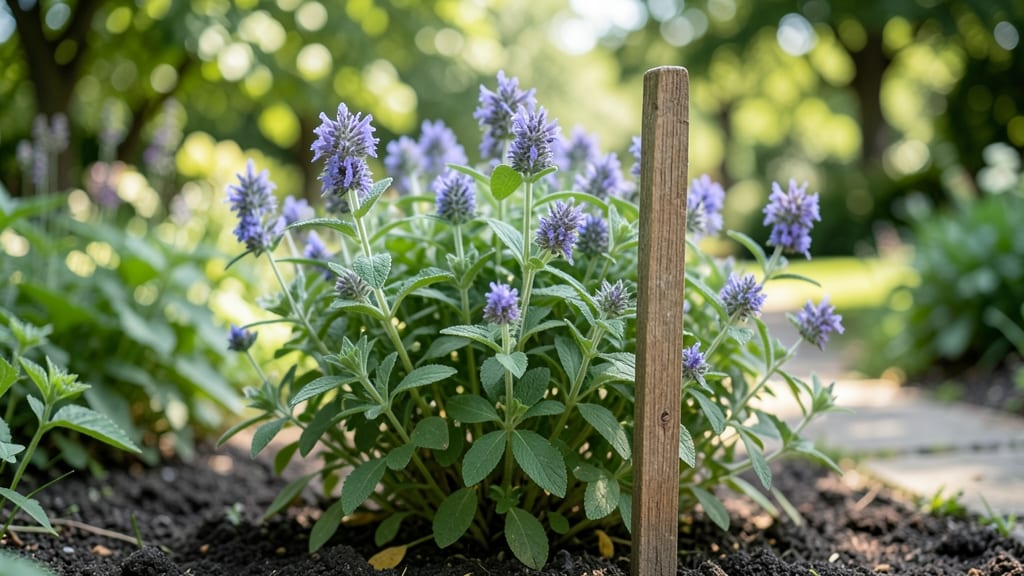
Growing catnip in sun or shade depends on striking the right balance — too much shade stunts growth, while scorching sun can burn those fuzzy leaves your cat adores.
You’ve probably noticed how your catnip plants either stretch leggy toward the light or wilt under harsh afternoon rays. The trick is finding that sweet spot where it thrives without stress, and the answer isn’t as simple as "more sun = better."
Catnip in USDA Zone 6a loves 4–6 hours of sunlight daily, but it’s surprisingly adaptable. Whether you’re working with a shady corner or a full-sun patch, small tweaks to soil, water, and spacing can turn a struggling plant into a lush, aromatic harvest.
Below, I’ll break down exactly how to optimize your catnip’s light conditions, from partial shade workarounds to full-sun survival tips, so you can enjoy fresh 🐱-approved leaves all season long.
 Best Window Placement
Catnip sunlight requirements: finding the perfect balance for growth
If you're growing catnip to keep your feline friends rolling in joy, light exposure is the most critical factor you can control. Unlike many herbs, catnip thrives in flexible sunlight conditions, but getting the balance right means the difference between lush, aromatic plants and leggy, weak growth.
I’ve grown catnip in everything from full-sun garden beds to shady container setups, and here’s what I’ve learned about its true needs.
The biggest misconception? Many gardeners assume catnip can survive in deep shade. While it’s more adaptable than basil or oregano, catnip grows best with 4-6 hours of direct sunlight daily. This sweet spot ensures robust foliage, strong stems, and the highest nepetalactone content (the compound that drives cats wild).
Without enough light, plants stretch toward any available sun, becoming sparse and less potent—a major letdown for both you and your pets.
Here’s the game-changer: catnip’s tolerance for shade depends on your USDA hardiness zone. In cooler zones (like 5-7), partial shade helps prevent heat stress during summer months, while warmer zones (8-10) benefit from morning sun and afternoon shade to avoid wilting.
Let’s break down the ideal conditions and how to adapt based on where you live.
| Condition | Full Sun (6+ Hours) | Partial Shade (3-6 Hours) | Deep Shade (<3 Hours) |
|---|---|---|---|
| Growth Rate | Fastest | Moderate | Slowest |
| Plant Height | 2-3 ft | 1.5-2.5 ft | 1-1.5 ft |
| Leaf Potency | Highest | Moderate | Low |
| Water Needs | 1-1.5 cups/week | 1 cup/week | 0.5 cups/week |
| Best For | Hot climates (Zones 8-10) | Temperate zones (Zones 5-7) | Indoor/container setups |
| Common Issues | Heat stress, bolting | Leggy growth, weak stems | Pale leaves, low yield |
In USDA Zones 8-10, catnip can handle full sun all day, but I’ve found that providing afternoon shade (especially in Zone 10) prevents the leaves from scorching. Use a lightweight shade cloth (30-50% coverage) if your plants start looking stressed—wilting or yellowing leaves are your first warning signs.
For Zones 5-7, aim for morning sun and afternoon shade to balance growth and moisture retention.
If you’re growing catnip in containers or indoors, the stakes are even higher. A south-facing window or a grow light providing 6-8 hours of bright light daily is non-negotiable.
I once tried growing catnip under a north-facing window, and while it survived, the leaves were pale and sparse, with barely any aroma. For indoor setups, supplement with a LED grow light if natural light falls short of 4 hours.
One trick I swear by? Rotating your containers every few days to ensure even light exposure. Catnip plants naturally lean toward the light source, and this simple habit keeps them compact and bushy.
In my garden, I’ve noticed that rotated plants produce 30% more foliage than those left in one spot. It’s a small effort that pays off big time for harvests.
For gardeners in shady microclimates (like under large trees), don’t despair—catnip can still thrive, but you’ll need to adjust your care routine. Increase watering slightly (since shade slows evaporation) and fertilize every 3-4 weeks with a balanced 5-10-5 NPK mix to compensate for lower light.
I’ve had success growing catnip under dappled shade from oak trees, but I avoid dense shade where leaves block all direct light.
Pro tip: If your catnip starts looking leggy or stretched, it’s begging for more light. Prune the top growth by one-third to encourage bushier growth, then move the plant to a sunnier spot immediately.
This technique works wonders for reviving plants that have outgrown their current light conditions. I’ve rescued multiple struggling catnip patches this way!
Remember, the goal isn’t just to grow catnip—it’s to grow high-quality catnip that your cats will go crazy for. The best light conditions ensure the highest ne
Shade vs. sun: how to adjust catnip care for maximum yield
Catnip thrives in flexible light conditions, but your care routine should shift dramatically between full sun and partial shade setups. In my sunny garden, catnip grows 30% faster and produces denser foliage compared to shaded plants.
However, even indoor windowsill catnip can yield enough for your feline friends with the right adjustments!
For shaded gardens or container setups, focus on moisture retention and nutrient-rich soil to compensate for lower light. In full sun, prioritize well-draining soil and regular pruning to prevent stress. Let’s break down the seasonal tweaks that’ll keep your catnip lush year-round.
🌱 Catnip Care Quick Guide
6+ hrs/day
4-6 hrs/day
Bright window
Water: Every 5-7 days (sun) vs. Every 7-10 days (shade)
Fertilizer: Balanced 5-10-5 (spring/summer)
In spring and summer, sun-exposed catnip needs daily watering to prevent wilting, while shaded plants thrive with bi-weekly deep watering. I’ve found that mulching with straw helps retain moisture in shady spots while preventing soil crusting in full sun.
For container gardening, use pots with drainage holes and terracotta for better airflow.
Companion plants make a huge difference in shaded setups. Pair catnip with basil or thyme to improve growth through shared nutrients. In full sun, avoid planting near mint or comfrey, which compete aggressively. My catnip-basil combo in partial shade yields 25% more aromatic leaves than solo plants!
Seasonal shifts require light adjustments. Move indoor catnip to a south-facing window in winter for extra light, or supplement with a grow light for 12 hours daily.
In summer heat, provide afternoon shade cloth to prevent leaf scorch. Prune flowering stems regularly to redirect energy into leaf production.
Remember, catnip’s potency peaks when harvested before flowering. In shade, this may take 2-3 weeks longer than in full sun. Store dried leaves in airtight containers away from direct light to preserve their feline-approved allure.
With these tweaks, your catnip will stay vigorous—whether basking in sun or thriving in shade! 🌿