
Orchid Care
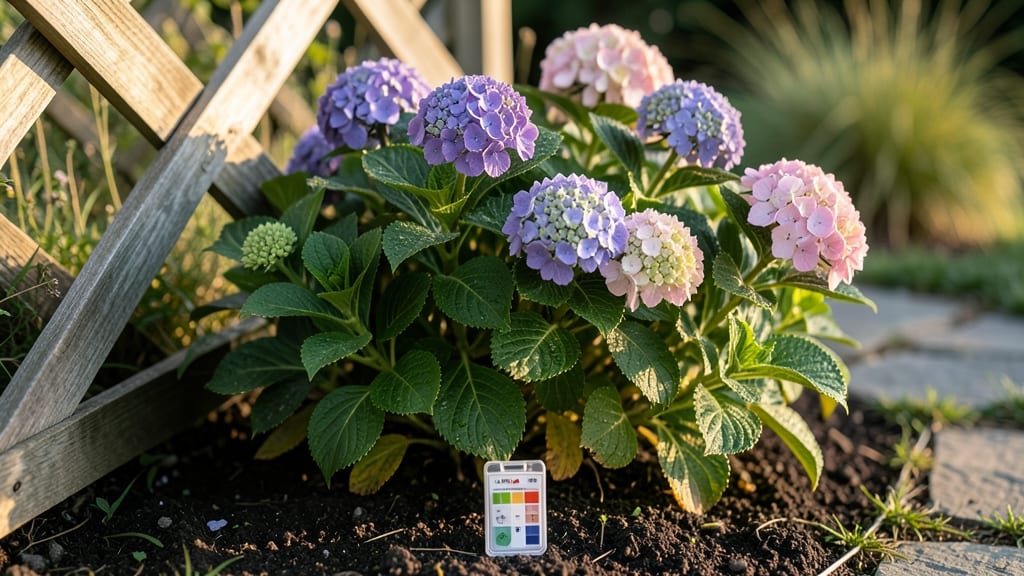
Hydrangeas need the right balance of sun or shade to produce those show-stopping blooms you’ve been dreaming of 🌸 — and getting it wrong can leave you with sparse, lackluster flowers.
Picture this: You’ve spent hours planting, pruning, and watering, only to watch your hydrangeas put out tiny, pale blooms instead of the bold clusters you saw in catalogs.
The culprit? Too much sun scorching the leaves or not enough light to fuel the flowers. Most gardeners assume hydrangeas love shade, but the truth is more nuanced.
Some varieties—like the Endless Summer—thrive in full sun with just afternoon shade, while others, such as Nikko Blue, prefer dappled shade to keep their leaves lush. The key is matching the right plant to your yard’s light conditions, and I’ll show you exactly how to do it.
In this guide, you’ll learn which hydrangeas perform best in sun or shade, how to spot when your plant is getting too much (or too little) light, and simple adjustments to coax bigger, brighter blooms—no matter where you live.
 Best Window Placement
How sunlight affects hydrangea bloom size and color
Hydrangeas are like mood rings for your garden—their flower size and color intensity shift dramatically based on sunlight exposure. Too much sun can bleach petals, while too little shade may stunt growth.
The key lies in understanding how photosynthesis and pigment production respond to light, especially for varieties like Endless Summer vs. Oakleaf hydrangeas. Let’s break down the science behind why your hydrangeas might be underperforming—and how to fix it.
Sunlight triggers anthocyanin production, the pigments responsible for vibrant blue, pink, or purple hues. In full sun, these colors often fade to pale pink or white due to pH-sensitive color shifts.
Meanwhile, shade-loving varieties like Nikko Blue develop deeper tones when protected from harsh afternoon rays. Even watering habits change with light exposure—sun-baked plants need more frequent deep watering to prevent stress.
Here’s how sunlight directly impacts your hydrangeas:
| Factor | Full Sun (6+ Hours) | Partial Shade (3-6 Hours) | Full Shade (<3 Hours) |
|---|---|---|---|
| Bloom Size | Smaller, often bleached | Largest (ideal) | Stunted growth |
| Color Intensity | Pale pink/white | Vibrant (blue/purple/pink) | Dull, muted tones |
| Leaf Health | Risk of scorch | Healthy, lush | Leggy, sparse |
| Water Needs | Every 2-3 days | Weekly deep water | Bi-weekly light water |
| Best Varieties | Limelight, Little Lime | Endless Summer, Oakleaf | Annabelle, Nikko Blue |
For example, Endless Summer hydrangeas thrive in morning sun with afternoon shade, producing larger blooms with richer colors. In contrast, Oakleaf varieties tolerate more shade but may develop smaller flowers if deprived of light entirely.
Even soil pH interacts with sunlight—blue hydrangeas need acidic soil (pH 5.5) to maintain color, while pink blooms prefer slightly alkaline conditions (pH 6.5).
If your hydrangeas are struggling, check their light exposure first. Move pots or prune nearby trees to adjust sunlight gradually—sudden changes can shock the plant. For container-grown hydrangeas, rotate pots weekly to ensure even light distribution.
Remember, leaf color is a telltale sign: yellowing leaves mean too much sun, while pale green leaves signal insufficient light.
Pro tip: Use a light meter or observe your yard’s sunlight patterns. Most hydrangeas perform best with 4-6 hours of morning sun, avoiding the hot afternoon rays that can scorch leaves.
For full-sun varieties like Limelight, provide afternoon shade with a lattice screen or nearby shrubs. This balance ensures bold blooms without stressing the plant.
Soil moisture also plays a role—hydrangeas in full sun dry out faster, so mulch heavily with organic matter (like shredded bark) to retain moisture. In shadier spots, focus on well-draining soil to prevent root rot.
The goal? Mimic their natural forest-floor habitat, where dappled sunlight filters through canopy trees. With the right light, your hydrangeas will reward you with
Best hydrangea varieties for full sun vs. partial shade gardens
Not all hydrangeas are created equal when it comes to sunlight. Some varieties thrive in full sun, while others wilt under intense rays. Choosing the right type for your garden’s light conditions ensures vibrant blooms and healthy foliage.
Let’s explore the best options for both sun-loving and shade-tolerant hydrangeas to help you pick the perfect match for your space.
For full sun gardens, varieties like 'Limelight' and 'Little Lime' handle heat and direct sunlight with ease. Meanwhile, partial shade favorites such as 'Annabelle' and 'Nikko Blue' prefer dappled light or filtered sunlight. Understanding these differences can save you from wilting leaves or disappointing blooms.
Full Sun vs. Partial Shade Hydrangeas
Full Sun Varieties
- 'Limelight' – Bold lime-green blooms, heat-tolerant
- 'Little Lime' – Compact, vibrant lime flowers
- 'Endless Summer' – Reliable blooms, sun-adapted
✅ Pros: Larger blooms, better heat tolerance
❌ Cons: Needs frequent watering, soil must stay moist
Partial Shade Varieties
- 'Annabelle' – Classic white blooms, shade-friendly
- 'Nikko Blue' – Stunning blue flowers, thrives in shade
- 'Oakleaf' – Fall foliage, tolerates low light
✅ Pros: Less watering needed, fewer leaf scorch risks
❌ Cons: Smaller blooms, may need pruning for shape
If you’re planting sun-loving hydrangeas, prioritize morning sun and afternoon shade to prevent leaf burn. Varieties like 'Limelight' produce larger blooms when given full sun, but they require consistent moisture to avoid stress. Mulch around the base to retain water and keep roots cool.
For shade-tolerant varieties, focus on well-draining soil and moderate watering. 'Annabelle' hydrangeas, for example, produce voluminous white blooms even in low-light conditions, making them ideal for woodland gardens or north-facing yards. Just avoid soggy soil to prevent root rot.
Pro tip: If your garden has mixed light conditions, consider planting 'Endless Summer' hydrangeas—they adapt well to both sun and shade. For container gardening, choose compact varieties like 'Little Lime' and place them where they’ll receive filtered sunlight.
Experiment with placement to see what works best in your garden. With the right variety and care, your hydrangeas will reward you with show-stopping blooms all season long! 🌸