
Mower
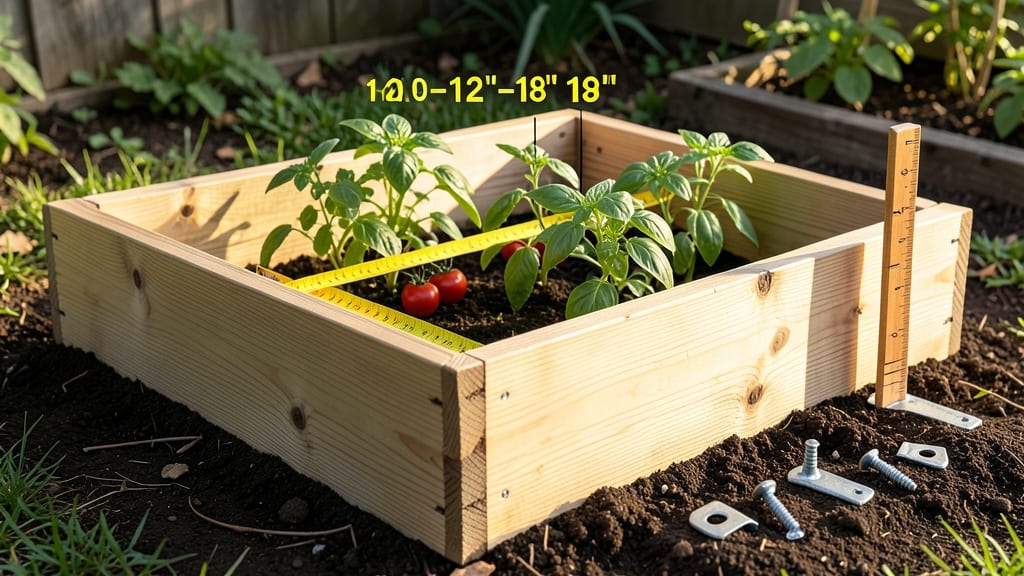
The ideal raised bed dimensions are 4 feet wide by 8 feet long to ensure easy access from both sides and efficient use of garden space. A depth of 12 to 18 inches provides enough room for healthy root development while preventing soil compaction and improving drainage.
These dimensions strike a perfect balance between accessibility and productivity. 🌱 A 4-foot width lets you reach the center without stepping into the bed, reducing soil compaction from foot traffic. Meanwhile, longer beds maximize planting space for high-yield crops like tomatoes or zucchini.
The 12-18 inch depth accommodates most vegetables while keeping soil warm and well-drained—critical factors for healthy growth. This setup also minimizes material costs compared to deeper or wider alternatives.
For smaller gardens or specific crops, you can adjust these dimensions while maintaining the core principles. For example, a 3-foot-wide bed works well for herbs or salad greens, while deep-rooted vegetables like carrots or asparagus may need beds that are 18-24 inches deep.
The key is always prioritizing accessibility and soil health over sheer size.
💡 In This Article
- How Raised Bed Dimensions Affect Plant Growth and Soil Health
- Customizing Raised Bed Sizes for Small Spaces and Specific Crops
How raised bed dimensions affect plant growth and soil health
The 4-foot width standard exists for a critical ergonomic reason: it matches the natural reach of an average adult standing on both sides of the bed. Studies in horticultural ergonomics show that reaching more than 2 feet into a bed increases soil compaction from foot traffic and makes maintenance difficult.
Soil scientists also note that wider beds (>4 feet) create temperature extremes—inner rows stay cooler and wetter due to reduced sunlight penetration and slower evaporation. This microclimate shift can delay germination by up to 3-5 days for cool-season crops like lettuce.
Depth plays an equally vital role in root development. The 12-18 inch range provides optimal aeration and drainage while preventing soil from becoming waterlogged—a common issue in deeper beds (>24 inches).
Shallow roots of most vegetables (like basil or radishes) thrive in this zone, while deeper beds risk creating anaerobic pockets where roots suffocate. 🌱 The top 6 inches of soil warms fastest in spring, which is crucial for early planting.
Beds deeper than 18 inches also require significantly more soil volume (up to 50% more material), increasing costs without proportional yield benefits.
Length matters primarily for yield optimization. An 8-foot bed allows for continuous planting rows without narrow pathways that waste space. This "long and narrow" design maximizes edge space where most plant growth occurs.
Square-foot gardening principles confirm that perimeter-to-area ratios improve in longer beds, giving you 20% more planting surface compared to equal-area square beds. However, lengths over 12 feet become impractical for most gardeners to manage alone, requiring teamwork for maintenance.
Material choice interacts with these dimensions too. Wooden beds with 4-foot widths use standard lumber sizes (2x6 or 2x8 boards) without costly custom cuts. Cinder block or stone beds often follow the same width-to-length ratio to maintain structural integrity, as wider beds require additional support.
The 12-inch minimum depth prevents premature rot in wood beds while accommodating most garden vegetables—even deep-rooted carrots (which need 12-16 inches) fit comfortably within this range.
What most gardeners overlook is how bed dimensions affect weed suppression. The 4-foot width creates a natural "working zone" where weeds at the center remain accessible for removal. Narrower beds (<3 feet) force you to step inside, compacting soil and disturbing roots.
Wider beds (>5 feet) create "dead zones" in the center where weeds thrive unchecked. This principle extends to path width—standard 2-foot pathways between beds provide enough space for tools while maintaining airflow that reduces fungal diseases.
For soil health specifically, the 12-18 inch depth creates the perfect balance between moisture retention and drainage. This zone allows for 3-4 inches of organic matter (compost, mulch) at the surface while keeping subsoil at optimal moisture levels.
Deeper beds risk creating a "bathtub effect" where water pools at the bottom, while shallower beds (<10 inches) restrict root growth for larger plants like tomatoes or peppers. The science is clear: most vegetables allocate 60-70% of their roots in the top 12 inches of soil anyway.