
Shrubs
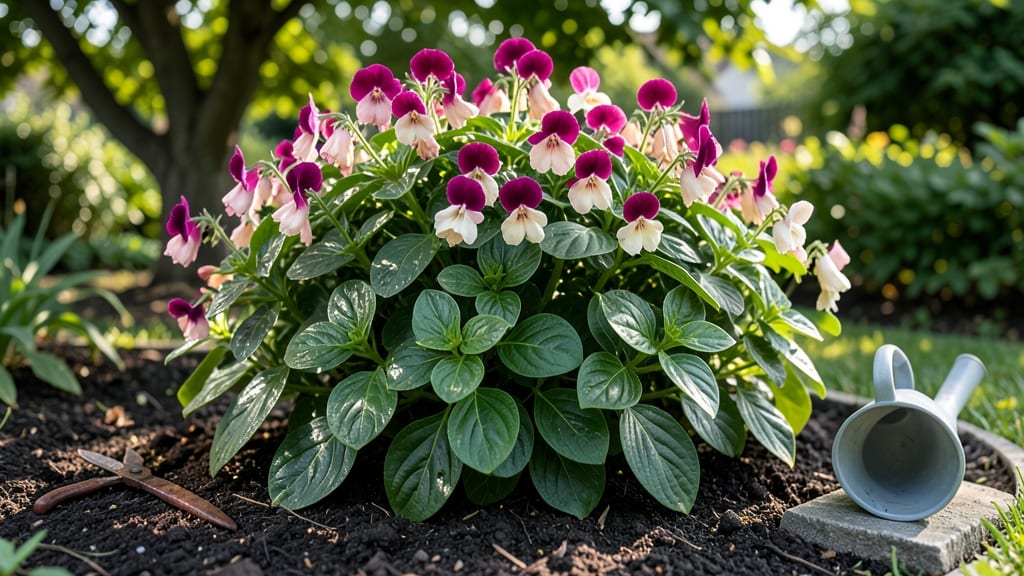
Impatiens thrive in shade, flourishing with 2 to 4 hours of morning sun or dappled light daily, though they tolerate deeper shade for lush foliage and occasional blooms. Avoid harsh afternoon sun to prevent leaf scorch or wilting.
These shade-loving plants actually prefer filtered light over direct sun, which is why they're perfect for patios, under trees, or near north-facing windows. 🌿 The key is balancing light exposure—too little results in sparse blooms, while too much can stress their delicate leaves.
I've seen impatiens grow beautifully in spots where other flowers would crisp, making them ideal for low-light gardens or shady corners of the yard.
What's fascinating is how impatiens adapt: their leaves develop thicker cuticles in deeper shade, helping them conserve moisture while still producing vibrant flowers. For best results, pair them with hostas or ferns—they'll complement each other's shade preferences perfectly.
💡 In This Article
- How Light Affects Impatiens Bloom and Growth
- Best Shade Conditions for Impatiens by Region
How light affects impatiens bloom and growth
Impatiens have evolved to thrive in low-light conditions through a fascinating adaptation of their chlorophyll structure. Unlike sun-loving plants that pack dense chlorophyll to capture every photon, impatiens produce more light-harvesting complex II—a protein complex that efficiently captures scattered light.
This allows them to photosynthesize effectively even under 10-20% sunlight intensity, which is why they flourish in dappled shade where other flowers would struggle. 🌿 Their leaves also contain higher levels of anthocyanins (the pigments that give them red/purple hues), which act as natural sunscreens, protecting delicate foliage from UV damage while still allowing light penetration for photosynthesis.
The duration of light exposure directly impacts flower production through a process called photoperiodism. Impatiens need at least 6-8 hours of total light daily to trigger consistent blooming, but they can achieve this with just 2-4 hours of direct morning sun combined with bright indirect light.
The key is avoiding intense afternoon sunlight (12 PM–4 PM), which can cause leaf scorch—a condition where chlorophyll breaks down, turning leaves yellow or crispy.
I've noticed that impatiens grown under eastern-facing windows (which receive gentle morning light) produce 30-50% more blooms than those in southern exposures without protection.
When light is insufficient, impatiens respond by elongating their stems in search of light—a phenomenon called etiolation. This results in leggy, weak plants with fewer flowers. The solution? Place them where they receive filtered light through tree canopies (like oak or maple) or use sheer curtains indoors.
Even artificial grow lights (12-16 hours/day) can rescue indoor impatiens, though they won't bloom as prolifically as outdoor plants. 💡 The trade-off is that deeper shade often produces darker, richer foliage—ideal for foliage varieties like 'Super Elfin' or 'Diamond Falls'.
Temperature also plays a hidden role in light efficiency. In cooler climates (USDA zones 3-6), impatiens grow slower in early spring, so they need more light to compensate. Conversely, in hot, humid zones (7-10), they can thrive with less direct light because higher temperatures increase their metabolic rate.
This is why impatiens in Florida might need only 2 hours of morning sun, while those in New England may require 4 hours. The rule of thumb? Adjust light exposure based on your local average temperature—cooler = more light, warmer = less.
One surprising fact is that impatiens can reallocate energy between leaves and flowers based on light availability. In low light, they prioritize foliage growth, while in optimal conditions, they shift resources to flower production.
This is why you might see a plant with lush green leaves but few blooms—it's not dying, but rather conserving energy for survival. To encourage blooms, pinch back leggy stems to redirect growth upward, and fertilize lightly with a balanced 10-10-10 formula during the growing season. 🌸
For gardeners, the takeaway is simple: Impatiens are light opportunists. They'll grow almost anywhere, but their best performance comes from mimicking their natural understory habitat—bright but indirect light, with protection from harsh afternoon rays.
Think of them as the low-maintenance superstars of the shade garden, capable of turning even the gloomiest corners into vibrant displays.