
Flowers
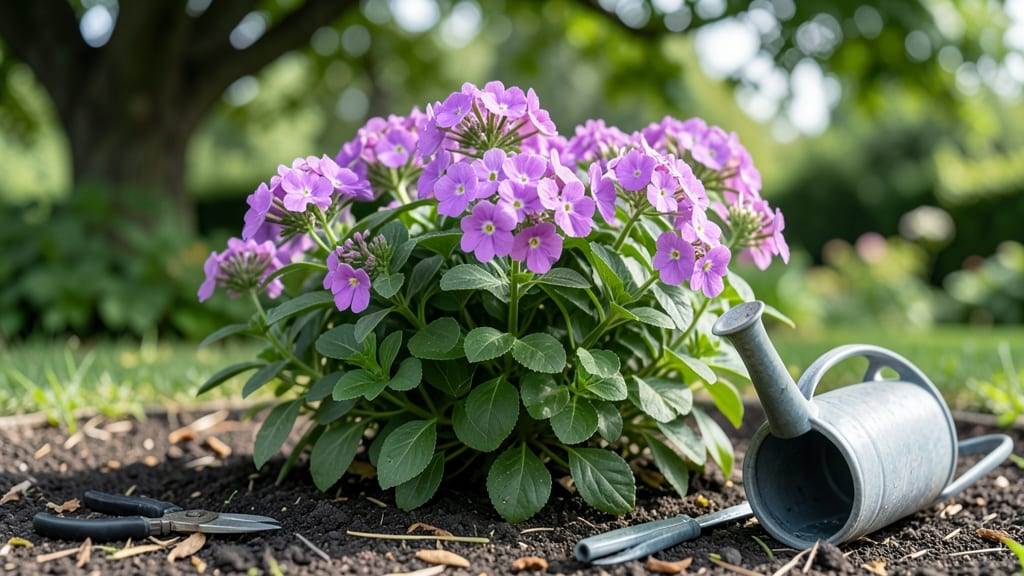
Impatiens Beacon in violet shades turns shady spots into dramatic focal points. 🌿 I’ve used them to transform dull corners into vibrant, conversation-starting displays—no sun required. Their deep purple blooms contrast beautifully with silver foliage or soft white flowers, creating a moody yet elegant look that feels intentional, not accidental.
The secret to their design magic lies in placement: tuck them along borders where they spill over edges, or plant them in containers where their cascading habit adds movement.
Pair them with ferns or hostas for a lush, textured backdrop, or let them stand alone as a bold statement in a pot. Their compact size makes them perfect for small spaces too.
You’ll love how they hold their color all season long, fading gracefully rather than bleaching out. A little regular pruning keeps them tidy, and they rarely need more than occasional deadheading to stay showy. The result? A garden that feels polished and effortlessly stylish, even in the trickiest spots.
Works equally well in cottage gardens, modern landscapes, or even as a patio centerpiece. Let’s make your shady areas shine with these vibrant workhorses!
📚 In This Guide
- What you need
- Instructions
- Tips and common mistakes
- Wrapping up and next steps
What you need
- ● Impatiens Beacon Violet seeds or seedlings: 6–12 plants (or 3–5 seed packets for self-sowing). Choose disease-resistant varieties if possible.
- ● Well-draining potting mix: 5–10 gallons (for containers) or 1–2 cubic yards (for garden beds). Opt for a mix with peat moss or coco coir for moisture retention.
- ● Containers or garden space: Containers: 6–12-inch diameter pots (1 plant per 6-inch pot) with drainage holes.
- ● Garden beds: Partial to full shade, moist, and rich soil (amend with compost if needed).
- ● Slow-release fertilizer: 10–15–10 NPK ratio (1–2 tbsp per plant or per 10 sq ft of bed).
- ● Mulch: 1–2 inches of shredded bark or pine needles to retain moisture.
- ● Gloves & trowel: For planting and soil prep.
- ● Watering can or hose with gentle spray nozzle: Impatiens love moisture but hate soggy roots!
- ○ Pruning shears: Optional but helpful for shaping and deadheading.
- ○ Shade cloth (optional): 30–50% coverage if your area gets bright indirect light (e.g., dappled sunlight).
- ○ Stakes or cages (optional): For taller varieties or windy spots.
How to grow impatiens Beacon Violet shades in shady spots
These vibrant flowers bring life to dim corners—here's how to keep them thriving.
🌱 Step 1: Choose the Perfect Planting Location
Beacon Violet Impatiens love shade but still need some light to bloom. Pick a spot that gets 2-4 hours of morning sun or dappled shade all day. Avoid deep, dark corners where they'll grow leggy and sparse. I always test a location first by placing a white plate where the plants will go—if it stays cool to the touch most of the day, it's perfect.
These plants hate wind and cold drafts, so protect them from late afternoon breezes or chilly air currents. If your yard has strong afternoon sun, position them where they'll get only the gentle morning rays. You'll know you've got the light right when the foliage stays deep green and the blooms stay vibrant for weeks.
🪴 Step 2: Prepare Well-Draining Soil Mix
Impatiens rot easily in soggy soil, so mix half potting soil with half perlite or coarse sand to improve drainage. Work in a handful of compost for nutrients, but avoid fresh manure—it can burn tender roots. I like to fill containers with this blend or amend garden beds with a 2-inch layer of the mix before planting.
Test your soil by squeezing a handful—it should hold together when pressed but crumble when you poke it. If it stays clumpy, add more perlite. The goal is soil that drains well but still holds moisture near the roots. Water the prepared area thoroughly before planting to settle the mix and remove air pockets.
☀️ Step 3: Plant at the Right Depth and Spacing
Dig holes just deep enough to cover the root ball completely but no deeper—planting too deep suffocates the stems and prevents blooming. Space plants 8-12 inches apart in garden beds or 6 inches apart in containers. Crowding leads to weak stems and fewer flowers, so give them room to grow.
Gently remove the plant from its container and tease apart any circling roots with your fingers. Place it in the hole so the top of the root ball sits level with the surrounding soil. Fill in around the roots with your prepared mix, pressing lightly to remove air gaps. Water immediately after planting to help the soil settle and eliminate air pockets.
💧 Step 4: Water Consistently Without Overdoing It
Keep the soil evenly moist but never soggy—these plants wilt quickly when thirsty but also rot if their roots sit in water. Water when the top inch of soil feels dry to the touch, usually every 2-3 days in warm weather. I like to water early in the morning so the foliage dries quickly, reducing disease risk.
Mulch around the base with 1-2 inches of shredded bark to retain moisture and keep roots cool. Avoid piling mulch against the stems—leave a 1-inch gap to prevent rot. You'll know your watering is right when the leaves stay plump and the soil smells fresh, not musty.
✂️ Step 5: Prune and Fertilize for Continuous Blooms
Deadhead spent blooms regularly to encourage more flowers—pinch off faded blossoms at the base with your fingers or small scissors. I do this every 2-3 days during peak bloom time to keep the plants looking tidy and productive. Prune leggy stems back to a leaf node to promote bushier growth and more blooms.
Feed with a balanced liquid fertilizer (10-10-10) every 2-3 weeks during the growing season. Dilute it to half-strength to avoid burning tender foliage. You'll see the difference in 2-3 weeks—plants will have richer color and more abundant blooms. Stop fertilizing in late summer to prepare for dormancy.
Tips & tricks for perfect impatiens Beacon Violet shades
These simple strategies will help you coax the most vibrant blooms from your shade-loving impatiens.
Lighting Insight: The 2-4 hours of morning sun specified in Step 1 is ideal, but if your spot gets only dappled shade all day, supplement with a small grow light for 1-2 hours daily during cloudy periods. I've found that even artificial light helps maintain that signature Beacon Violet color intensity, especially in north-facing gardens where natural light is scarce.
Soil Mix Secret: When preparing your well-draining mix in Step 2, add a handful of worm castings along with the compost. This boosts beneficial microbes that help roots absorb nutrients more efficiently. The castings also improve soil structure over time, making watering in Step 4 even more effective—roots stay consistently moist without becoming waterlogged.
Planting Depth Check: In Step 3, use a small stick or pencil as a depth marker when planting. The top of the root ball should sit just below soil level—this prevents stem rot while ensuring the plant has stability. I've seen many gardeners accidentally bury the stems too deeply, which causes the classic "leggy" growth pattern we want to avoid.
Watering Rhythm: The 2-3 day watering schedule in Step 4 works perfectly in moderate climates, but adjust based on your local conditions. In hotter areas, water every 2 days; in cooler, humid climates, you might stretch to 3 days. Always check that top inch of soil—if it feels damp, wait one more day. The key is consistent moisture without soggy soil.
Pro Tips for Impatiens Beacon Violet Shades
- These simple strategies will help you coax the most vibrant blooms from your shade-loving impatiens.
- Lighting Insight: The 2-4 hours of morning sun specified in Step 1 is ideal, but if your spot gets only dappled shade all day, supplement with a small grow light for 1-2 hours daily during cloudy periods.
- Soil Mix Secret: When preparing your well-draining mix in Step 2, add a handful of worm castings along with the compost.
Frequently asked questions
Got questions about growing Impatiens Beacon Violet in shady spots? You’re not alone!
Here are answers to the most common queries—from care tips to troubleshooting—so you can keep those vibrant violet blooms thriving in your dark corners.
How much shade can Impatiens Beacon Violet tolerate?
Impatiens Beacon Violet thrives in partial to full shade, making it perfect for spots with 2–6 hours of morning sun or dappled light. Avoid harsh afternoon sun, which can scorch leaves. If your space is deep shade (like under trees), these beauties will still bloom, though slightly smaller.
When is the best time to plant them?
Plant Impatiens Beacon Violet after the last frost in spring (typically April–May in most U.S. zones). They’re tender perennials, so treat them as annuals—start seeds indoors 6–8 weeks before or buy young plants at nurseries. For fall color, you can also plant them in late summer (by August).
How often should I water them?
Keep soil consistently moist but not soggy—these impatiens hate drought! Water daily in hot weather and every 2–3 days in cooler conditions. Mulch around the base to retain moisture. Yellowing leaves? Often a sign of underwatering (or overwatering—check soil drainage!).
Why aren’t my Impatiens Beacon Violet blooming?
Blooms may lag due to too much shade (they need some light for energy), over-fertilizing (focus on balanced, low-nitrogen fertilizer), or root-bound plants. Deadhead spent blooms to encourage new flowers. If your plant looks leggy, move it to a slightly brighter spot (but avoid direct sun).
What pests should I watch for?
Impatiens are generally pest-resistant, but keep an eye out for:
- Aphids: Tiny green/black bugs on new growth. Blast off with water or use neem oil.
- Spider mites: Look for webbing on undersides of leaves in dry conditions. Increase humidity and spray with water.
- Slugs/snails: They love young plants! Set out beer traps or use copper barriers.
Rotate plants occasionally to prevent soil-borne issues like powdery mildew (ensure good airflow).
Can I grow Impatiens Beacon Violet in containers?
Use well-draining pots (at least 6–8 inches deep) with a light, airy potting mix. Add a time-release fertilizer and water frequently. Pro tip: Place containers where they get morning sun + afternoon shade for best results. Dwarf varieties work well in small spaces!
Wrapping up and next steps
Transforming those shady spots in your garden into vibrant havens is easier than you think! Impatiens Beacon Violet brings a bold, eye-catching pop of color while thriving in low-light conditions—perfect for adding drama without the fuss.
Whether you're a seasoned gardener or just starting out, this shade-loving beauty is your ticket to effortless elegance.
Ready to bring home this stunning plant? Start by checking local nurseries or reputable online sellers—then grab your gardening gloves and get planting! Your dark corners (and Instagram feed 🌿📸) will thank you.