
Light Requirements
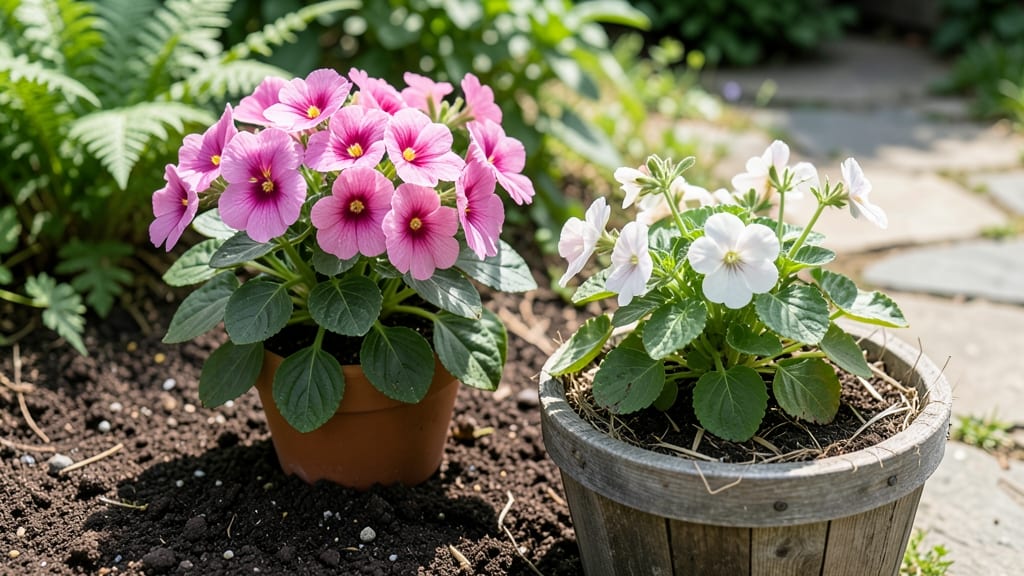
Impatiens in full sun or shade can make or break your blooms, and the right light choice is the key to keeping those 🌸 flowers vibrant all season.
Picture this: you’ve spent hours planting your impatiens, only to watch them wilt under the midday sun or stretch weakly toward a dim corner. The truth is, impatiens aren’t one-size-fits-all when it comes to light—too much sun scorches them, while too little shade leaves them leggy and sparse.
Most gardeners assume these shade-loving flowers can’t handle any sun, but the reality is more nuanced. In cooler climates like USDA Zone 6a, they can tolerate morning sun with afternoon shade, while hotter regions need protection almost all day.
The goal? Balancing light to keep your impatiens thriving without the guesswork.
Below, I’ll break down the exact light conditions your impatiens need—whether you’re dealing with partial shade, dappled sun, or full sun—plus how to adjust care for long-lasting blooms and avoid common pitfalls.

Ideal Light Conditions for Impatiens: Full Sun vs. Partial Shade Explained
If you’ve ever watched your impatiens struggle with leaf burn or leggy growth, the culprit is likely light exposure. These vibrant annuals prefer partial shade, but their needs vary by USDA zone and regional climate.
Let’s break down how to give them the perfect balance for continuous blooming and healthy foliage.
Impatiens thrive in 4-6 hours of bright, indirect light daily, but they can’t handle intense afternoon sun, especially in Southern climates. In Northern zones (6a and above), they tolerate slightly more sun, while humid Southern regions demand extra shade to prevent wilting.
Understanding these nuances is key to avoiding brown leaf edges or faded blooms.
Here’s how impatiens respond to different light conditions, including heat tolerance and seasonal adjustments:
| Light Condition | Daily Sunlight | Heat Tolerance | Growth Impact | Best For |
|---|---|---|---|---|
| Partial Shade | 4-6 hours | High (with afternoon shade) | Compact, bushy, vibrant blooms | USDA Zones 6a-10 |
| Full Sun | 6+ hours (morning only) | Low (risk of scorching) | Leggy, sparse blooms, leaf burn | Northern climates (Zones 6a+) |
| Full Shade | 2-4 hours (dappled) | Moderate (no stress) | Slow growth, pale leaves, fewer blooms | Woodland gardens, under trees |
The best light spectrum for impatiens is morning sun + afternoon shade. In Southern climates (Zones 8-10), provide afternoon shade with a sheer curtain or nearby trees to prevent heat stress.
In Northern zones (6a-7b), they can handle morning sun exposure without issues, but avoid direct afternoon rays.
Seasonal adjustments are critical. During summer months, impatiens in full sun may need daily watering to combat leaf burn. In spring or fall, they tolerate partial shade better, especially in humid regions where fungal diseases thrive.
Always monitor for yellowing leaves, a sign of overwatering or poor drainage.
For container gardening, place impatiens near east-facing windows or under patio umbrellas to filter UV rays. If growing in ground beds, pair them with tall plants like coleus or hostas to create natural shade. This microclimate trick extends their blooming season by up to 2 months.
In high-humidity areas, like Florida or Louisiana, impatiens need extra shade to prevent powdery mildew. Use light-colored mulch to reflect heat and keep roots cool. In dry climates, like Arizona or California, they benefit from drip irrigation to maintain soil moisture without leaf scorch.
Pro tip: If your impatiens start looking leggy or pale, they’re craving more light. Move them to a sunnier spot gradually over 7-10 days to avoid sun shock. Conversely, if leaves curl or crisp, they’re getting too much sun—relocate them to a shadier location immediately.
Remember, impatiens are shade-loving stars—they’ll reward you with non-stop blooms if you give them the right light. Experiment with dappled shade in container gardens or understory plantings to find your perfect balance. With the right setup, your impatiens will outshine even the sunniest spots in your garden! 🌸
How to adjust care for impatiens in different light settings
Impatiens are the darlings of shade gardens, but their care shifts dramatically when exposed to more sunlight. In partial shade (their preferred setting), they reward you with nonstop blooms and lush foliage.
But push them into full sun, and you’ll face leaf scorch or wilting. The key is adapting your routine—watering, fertilizing, and pruning—to match their light conditions.
Let’s break down how to tweak your impatiens care based on whether they’re basking in morning sun or hiding under a canopy. Even a small adjustment—like watering frequency or soil moisture—can mean the difference between vibrant blooms and struggling plants.
If your impatiens are looking sad, the light might be the culprit.
⚠️ callout warning ⚠️
Impatiens cannot tolerate more than 2-3 hours of direct sun daily. In full sun, their leaves turn yellow or crispy within hours. If your plants are in hot, sunny spots, move them to dappled shade ASAP. For temporary fixes, use lightweight shade cloth (30-50%) to filter harsh rays. Without protection, impatiens will not survive in afternoon sun—even in cooler climates.
In partial shade (4-6 hours of filtered light), impatiens thrive with consistent moisture and weekly fertilizing. Water them when the top inch of soil feels dry—usually every 2-3 days in summer. Use a well-draining potting mix with organic compost to prevent root rot, and fertilize every 4-6 weeks with a balanced 10-10-10 formula. Prune leggy stems to encourage bushier growth and more blooms.
If your impatiens are in full shade (less than 3 hours of light), they’ll grow slower and produce fewer blooms. To compensate, reduce watering slightly (every 3-4 days) and feed them lightly with a half-strength fertilizer every 6-8 weeks.
Prune sparingly to avoid stressing the plant. For extra blooms, consider supplemental grow lights (12 hours/day) if they’re indoors or in deep shade.
Watch for these light-related red flags:
- Leaf drop in full sun? Move to shade immediately.
- Leggy growth in low light? Prune and add a grow light.
- Faded blooms? Boost fertilizer or check for underwatering.
Pro tip: Group impatiens with hostas or ferns in shady spots—they’ll appreciate the extra moisture and protection. In partial shade, pair them with coleus or begonias for a low-maintenance, high-impact display.
With the right light and care, your impatiens will reward you with colorful blooms from spring to frost! 🌸