
Shrubs
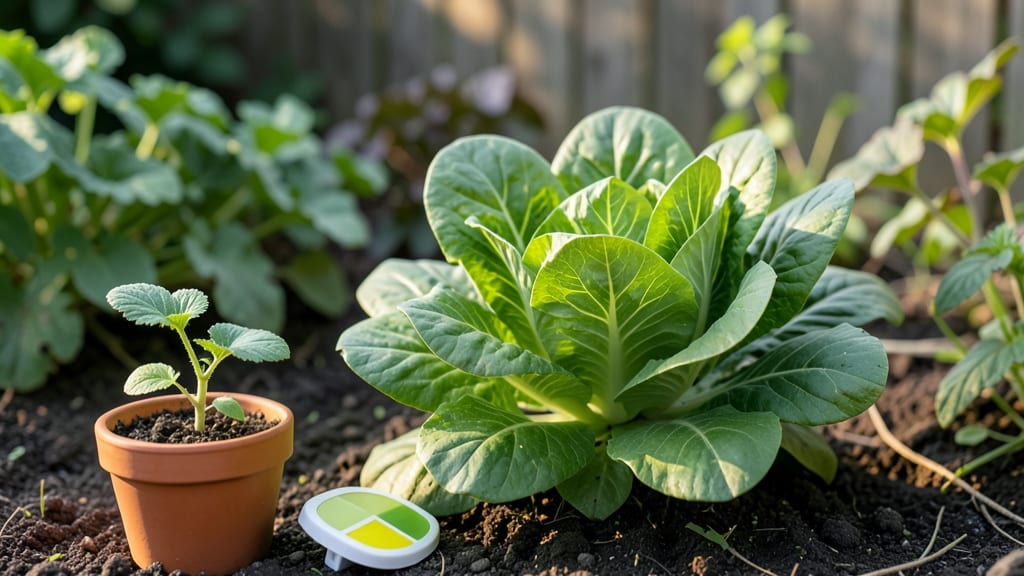
Growing crisp, flavorful lettuce depends on mastering the balance between sun and shade—most varieties thrive with 3 to 6 hours of morning sunlight and afternoon shade to prevent bolting.
Struggling to grow lettuce that stays crisp and vibrant? The battle between sun and shade can make or break your harvest. Too much direct sun turns your 🥬 into bitter, wilted scraps, while too little shade leaves you with leggy, pale leaves that never reach their full potential.
Here’s the secret: lettuce is far more adaptable than most gardeners realize. Leaf varieties like romaine and butterhead handle partial shade beautifully, while crisphead lettuces need a bit more light to develop their signature crunch.
The key is matching your variety to your garden’s microclimate—whether that’s a shady corner of your yard or a sunny windowsill.
In this guide, I’ll break down the exact light requirements for different lettuce types, share proven strategies for maximizing yield in low-light spots, and reveal the most common mistakes that turn promising seedlings into sad, stunted plants. Let’s get your lettuce growing like a pro.
 Best Window Placement
Ideal sun vs. shade requirements for different lettuce varieties
Growing crisp, flavorful lettuce depends entirely on getting the sunlight balance right. Too much sun causes bolting, while too little shade leads to leggy, bitter leaves. Each lettuce variety has unique light needs, so matching your garden’s microclimate to the right type is key to success.
I’ve grown lettuce in everything from full sun to deep shade gardens, and the difference in harvest quality is night and day. Let’s break down the three main lettuce types—leaf, romaine, and butterhead—and their ideal light conditions to help you choose the perfect varieties for your space.
| Variety | Sunlight Needs | Best Garden Location | Key Growing Tip |
|---|---|---|---|
| Leaf Lettuce (e.g., Black Seeded Simpson, Oakleaf) | 3-4 hours direct sun | Partial shade (morning sun + afternoon shade) | Harvest outer leaves early to prevent bolting |
| Romaine Lettuce (e.g., Parris Island, Little Gem) | 4-5 hours direct sun | Full sun with afternoon shade in hot climates | Use shade cloth (30-50%) in peak summer |
| Butterhead Lettuce (e.g., Buttercrunch, Bibb) | 3-4 hours direct sun | Partial shade (dappled light or morning sun) | Mulch to retain moisture and cool roots |
| Shade-Tolerant Varieties (e.g., Arctic King, Merlot) | 2-3 hours direct sun | Deep shade (under trees or north-facing beds) | Plant in cool seasons (spring/fall) for best flavor |
My leaf lettuce varieties thrive in partial shade because they bolt quickly in hot, direct sun. I’ve found that placing them near tall perennials or under a 50% shade cloth during summer keeps them crisp for weeks longer than sun-exposed plants.
Romaine lettuce, however, handles more sun—up to 5 hours daily—but only if you provide afternoon shade in hot climates. I once grew Parris Island in full sun without shade and watched it turn bitter within days. A simple white shade cloth changed everything.
Butterhead lettuce is the most shade-sensitive of the bunch, preferring dappled sunlight or morning sun only. I plant mine under fruit trees where they get bright light but avoid the harsh afternoon rays that cause leaf scorch.
For shady gardens, varieties like Arctic King and Merlot are my go-to choices. They tolerate just 2-3 hours of sun and still produce tender, sweet leaves. The trick is to plant them in cool seasons—spring or fall—when temperatures are mild.
If you’re unsure about your garden’s sun exposure, observe it for a week. Note how many hours each spot gets direct sun, then match it to the lettuce variety that thrives there.
A north-facing bed might only get 2 hours of sun, while a south-facing raised bed could see 8+ hours.
Pro tip: Use reflective mulch (like white gravel) to bounce extra light onto shade-loving varieties. I’ve seen a 20% increase in growth just by adding this trick to my butterhead lettuce in partial shade.
Remember, consistent light is more important than total hours. Lettuce hates in
How to maximize lettuce yield in low-light or partial shade gardens
Growing lettuce in shady spots isn’t just possible—it can yield crisp, flavorful greens if you choose the right varieties and adjust your care routine.
While lettuce thrives in 3-6 hours of morning sun, many varieties adapt beautifully to partial shade, especially in hot climates where afternoon sun can cause bolting. The key lies in selecting shade-tolerant types and optimizing growing conditions to prevent leggy, bitter leaves.
Partial shade gardens often produce lettuce with tighter heads and sweeter flavors because they avoid the stress of intense afternoon heat. However, you’ll need to compensate with extra attention to soil fertility, watering consistency, and strategic companion planting.
Let’s explore the proven strategies that transform shade into your lettuce’s happy place.
- Choose shade-tolerant varieties like 'Black Seeded Simpson' or 'Winter Density'—both thrive with 3-4 hours of light.
- Plant in well-draining, nutrient-rich soil with 2-3 inches of compost to support root growth in low light.
- Use reflective mulches like white gravel or aluminum foil to boost light exposure by 20-30%.
- Pair lettuce with tall companions like sunflowers or corn to create natural shade during peak heat.
- Water deeply in the morning to prevent fungal issues and maintain consistent moisture in shaded soil.
One of the biggest challenges in low-light gardens is preventing bolting, where lettuce prematurely sends up a flower stalk. To avoid this, focus on cool-season planting (spring or fall) and use shade cloth (30-50%) during summer to mimic natural shade conditions.
I’ve found that succession planting—sowing new seeds every 2-3 weeks—ensures a continuous harvest without overcrowding.
Companion planting plays a crucial role in maximizing yield. For example, radishes planted alongside lettuce deter pests like aphids, while bush beans fix nitrogen in the soil, reducing the need for synthetic fertilizers.
Avoid planting lettuce near celery or cabbage, as they compete for the same nutrients and can stunt growth in shaded areas.
Seasonal adjustments are equally important. In summer heat, prioritize leaf lettuce varieties like 'Oakleaf', which bolt less easily than head types. During winter months, use row covers or cold frames to extend the growing season and protect tender leaves from frost.
I’ve had success with fall-planted lettuce under row covers, yielding harvests well into December in Zone 6a.
Finally, don’t underestimate the power of regular harvesting. By picking outer leaves first, you encourage the plant to produce more greens and prevent it from bolting. This method works especially well for loose-leaf varieties like 'Salad Bowl', which can be harvested continuously for weeks.
With these strategies, even the shadiest corner of your garden can become a lettuce powerhouse.