
Shrubs
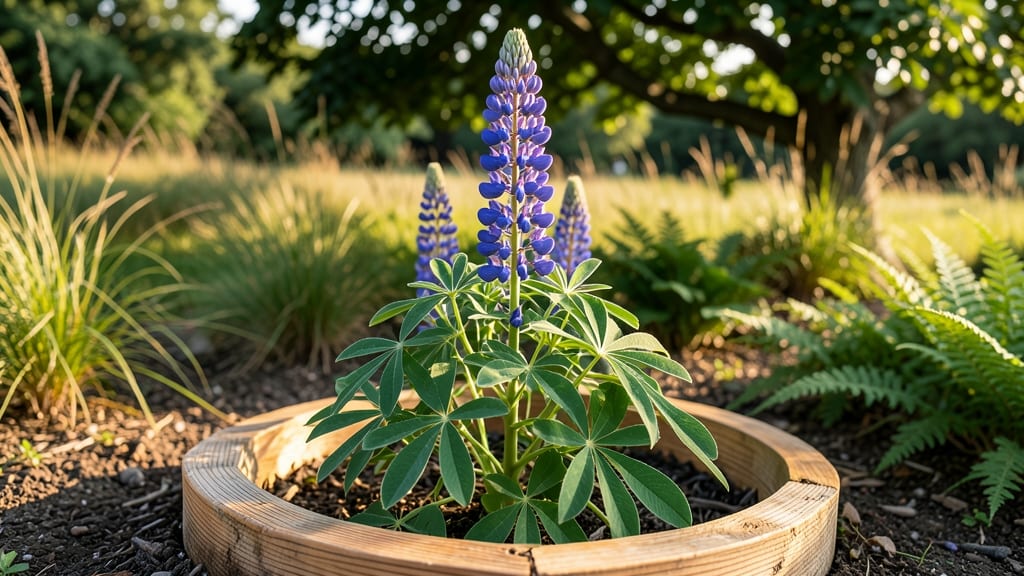
Lupines thrive in sun or shade 🌸, but getting the balance right is the key to bold blooms and healthy growth.
Struggling to get your lupines to bloom? The secret might be hiding in their light preferences—too much sun can scorch them, while too little shade can leave them leggy and sparse.
These stunning perennials (and annuals) actually prefer morning sun and afternoon shade in hotter climates, but many varieties handle full sun with ease. The trick is knowing which type you’re growing and adjusting accordingly.
In this guide, I’ll break down exactly how much light your lupines need, which varieties tolerate shade best, and how to fix common light-related problems like yellow leaves or weak stems.
 Best Window Placement
Lupine sun requirements: how much light for optimal growth and blooms
Lupines are stunning perennial flowers that thrive with the right balance of sunlight. While they tolerate partial shade, most varieties need 4-6 hours of direct sun daily for robust growth and abundant blooms. Understanding their light needs prevents common issues like weak stems or sparse flowers.
Annual lupines, like Lupinus nanus, often handle more sun exposure than perennials, while tall garden lupines (e.g., Lupinus polyphyllus) prefer morning sun and afternoon shade in hot climates. Regional differences also play a role—Southern gardens may need afternoon shade, while Northern climates can support full sun.
Signs of light deficiency include leggy stems, fewer flowers, and pale foliage. Conversely, too much intense sun can cause leaf scorch or wilting. Adjusting light exposure gradually helps lupines adapt without shock.
| Variety | Sunlight Needs | Regional Adjustments | Signs of Stress |
|---|---|---|---|
| Annual Lupines (Lupinus nanus) | Full sun (6+ hours) | Drought-prone areas: afternoon shade | Wilting, yellowing leaves |
| Perennial Lupines (Lupinus polyphyllus) | Partial shade (4-6 hours) | Northern climates: full sun tolerated | Leggy growth, sparse blooms |
| Dwarf Varieties (Lupinus 'Russell Hybrid') | Morning sun, afternoon shade | Containers: bright indirect light | Brown leaf edges, stunted growth |
| All Lupines | Avoid deep shade | Hot climates: dappled shade | Pale stems, no flowers |
In Southern climates (Zones 8-10), lupines often struggle with midday heat. Plant them near decorative grasses or trees with filtered shade to protect roots while still providing bright indirect light. In Northern climates (Zones 3-6), lupines can handle full sun exposure year-round, especially if soil stays moist.
For container-grown lupines, place pots near east-facing windows to avoid intense afternoon sun. If using grow lights, mimic 12-14 hours of light daily, but avoid placing them directly under LED bulbs, which can overheat tender foliage.
Seasonal adjustments are key. In spring and fall, lupines tolerate full sun as temperatures moderate. During summer heatwaves, move potted lupines to shadier spots or use lightweight shade cloth (30-50% coverage) to prevent stress.
If your lupines show yellowing leaves or stretched stems, they’re likely light-deprived. Gradually increase sun exposure over 1-2 weeks to avoid sunburn. Conversely, if leaves curl or crisp, they’re getting too much direct sun—provide afternoon relief immediately.
Mulching with organic matter (like compost or straw) helps retain moisture and regulates soil temperature, making lupines more resilient to light fluctuations. Pair them with companion plants like lavender or salvia, which share similar light needs and improve garden aesthetics.
Remember, lupines are nitrogen-fixing plants, so they don’t need heavy fertilization. Focus on well-draining soil and proper light exposure—these two factors alone can transform leggy, sparse plants into vibrant, blooming powerhouses.
Shade-tolerant lupine varieties: best choices for low-light gardens
If your garden has dappled shade or woodland conditions, you don’t have to skip lupines! While many varieties crave full sun, several shade-tolerant lupines thrive in low-light settings with proper care. These varieties offer stunning blooms and foliage without the risk of sunburn or stunted growth.
Hybrid lupines like Lupinus polyphyllus ‘Russell Hybrid’ and Alaska lupine (Lupinus nootkatensis) are bred to handle partial shade. They’re perfect for woodland gardens, understory plantings, or spots near trees where other lupines would struggle. Let’s explore the best options and their care secrets!
Shade-Tolerant Lupine Varieties: Pros & Cons
Pros
- Russell Hybrid – Thrives in partial shade with vibrant purple blooms.
- Alaska Lupine – Handles deep shade and moist soils.
- Compact growth – Won’t outgrow small gardens.
- Drought-tolerant once established.
Cons
- May produce fewer blooms in deep shade.
- Requires well-draining soil to prevent rot.
- Slower growth compared to full-sun varieties.
- Needs regular pruning to maintain shape.
For woodland gardens, Lupinus nootkatensis (Alaska lupine) is my top pick. This native variety handles deep shade better than most, with silvery foliage and pale blue-purple blooms. It’s also deer-resistant, making it ideal for wildlife-friendly gardens.
If you prefer compact varieties, Lupinus polyphyllus ‘Russell Hybrid’ is a hybrid powerhouse. It tolerates partial shade while producing dense clusters of purple flowers. This variety is also heat-tolerant, so it performs well in Southern climates with afternoon shade.
To keep your shade-tolerant lupines thriving, focus on soil prep. Amend clay-heavy soils with compost or sand to improve drainage—waterlogged roots are the #1 killer of shade-grown lupines. A mulch layer also helps retain moisture and cool roots.
Prune in early spring to remove dead or leggy growth and encourage new blooms. Avoid heavy pruning in late summer, as this can reduce next year’s flower production. With the right variety and care, your shade garden can burst with lupine color all season long!