
Flowers
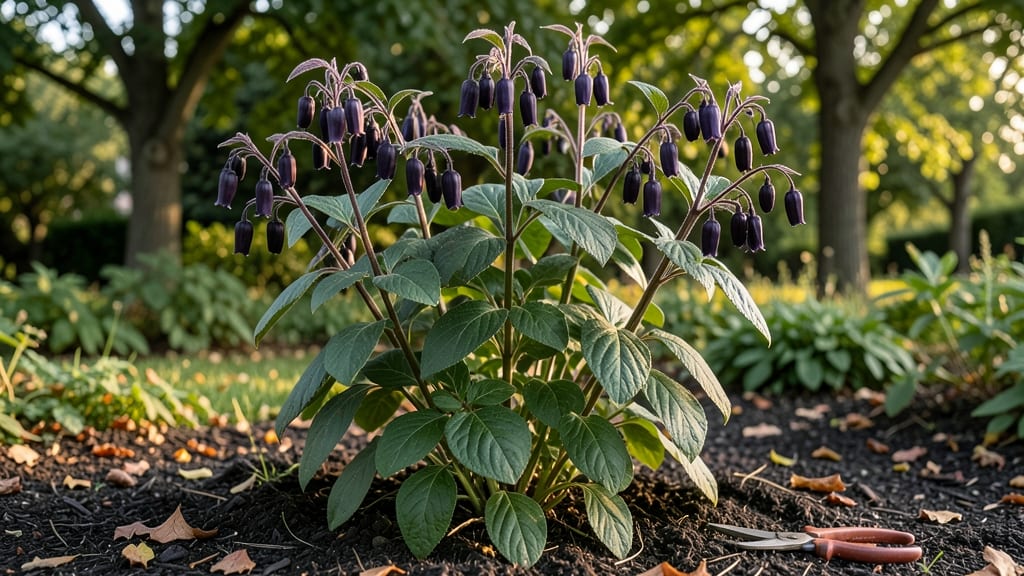
Nightshade poisonous flowers contain toxic alkaloids like solanine and atropine, which can cause nausea, hallucinations, or even death if ingested. Common varieties include deadly nightshade (Atropa belladonna) and Jimson weed (Datura stramonium), requiring immediate medical attention in case of exposure.
These toxic compounds disrupt your nervous system, and symptoms can appear within minutes or hours after exposure. 💀 For example, even touching the sap of some nightshades can cause skin irritation, while ingestion may lead to dilated pupils, rapid heartbeat, or confusion.
The danger lies in their resemblance to edible plants—many gardeners accidentally confuse deadly nightshade with harmless morning glories or even tomatoes, which are part of the same botanical family but completely safe when ripe.
If you suspect exposure, wash the affected area immediately and seek emergency care. Keep these plants far from children and pets, as their bright, attractive flowers can be tempting despite the risks.
Understanding their appearance—dark purple blooms for deadly nightshade, spiky seed pods for Jimson weed—is your first line of defense against accidental poisoning.
💡 In This Article
- Toxic Alkaloids in Nightshade Flowers: How They Affect Humans and Pets
- Safety Precautions When Handling Nightshade Plants in Gardens
Toxic alkaloids in nightshade flowers: how they affect humans and pets
Nightshade flowers produce three primary toxic alkaloids: solanine (found in green tomato leaves and unripe fruit), atropine (in deadly nightshade), and scopolamine (in Jimson weed). These compounds act as natural pesticides, protecting the plant from insects and herbivores.
Solanine blocks acetylcholine receptors in nerve cells, causing muscle paralysis, while atropine and scopolamine overstimulate the nervous system, leading to hallucinations or coma. For example, deadly nightshade contains 0.3-0.5% atropine by dry weight—just 2-5 berries can be lethal to a child.
The effects vary dramatically based on dosage and exposure route. Inhaling crushed Jimson weed seeds releases scopolamine vapors that induce vivid hallucinations within 30-60 minutes, while ingestion of deadly nightshade causes dry mouth, flushed skin, and rapid heartbeat within 15-30 minutes.
Pets are particularly vulnerable—their smaller size means even tiny amounts can be fatal. A 50-pound dog might suffer seizures from eating just one ripe deadly nightshade berry, which contains about 0.01% atropine per berry but concentrates in the seeds.
What makes these plants so dangerous is their chemical persistence. Alkaloids remain potent even after drying—Jimson weed seeds retain toxicity for years. The bright purple blooms of deadly nightshade and the spiky seed pods of Jimson weed also mimic edible flowers, tricking both humans and animals.
Unlike physical poisons that cause immediate pain, these alkaloids often produce delayed symptoms, giving victims false confidence before their condition worsens. This delayed onset explains why accidental poisonings frequently occur during gardening or foraging.
Medical treatment focuses on supportive care since there's no universal antidote. Activated charcoal can prevent absorption if given within 1 hour of ingestion, but severe cases require hospitalization for 24-48 hours of monitoring.
The key difference between mild and fatal cases lies in the plant part consumed—leaves contain 2-5x more solanine than ripe fruit, while seeds concentrate the highest alkaloid levels. For instance, a single Jimson weed seed contains enough scopolamine to cause respiratory failure in adults.
Interestingly, some nightshades like bell peppers and eggplants have been selectively bred to reduce toxicity. Their edible parts contain trace amounts of solanine (0.001% in ripe peppers), far below dangerous levels. The critical factor is ripeness—green tomatoes have 100x more solanine than red ones.
This biological trade-off explains why nightshade plants evolved to store toxins in their most vulnerable parts (flowers, leaves, unripe fruit) while concentrating nutrients in their seeds for dispersal.
Understanding these mechanisms helps explain why gardeners must exercise extreme caution. The visual similarity between deadly nightshade and harmless morning glories creates deadly confusion—both have bell-shaped purple flowers, but morning glories grow on vines while nightshades grow as shrubs with glossy leaves.
This botanical mimicry is nature's way of ensuring survival through chemical warfare.