
Vegetables
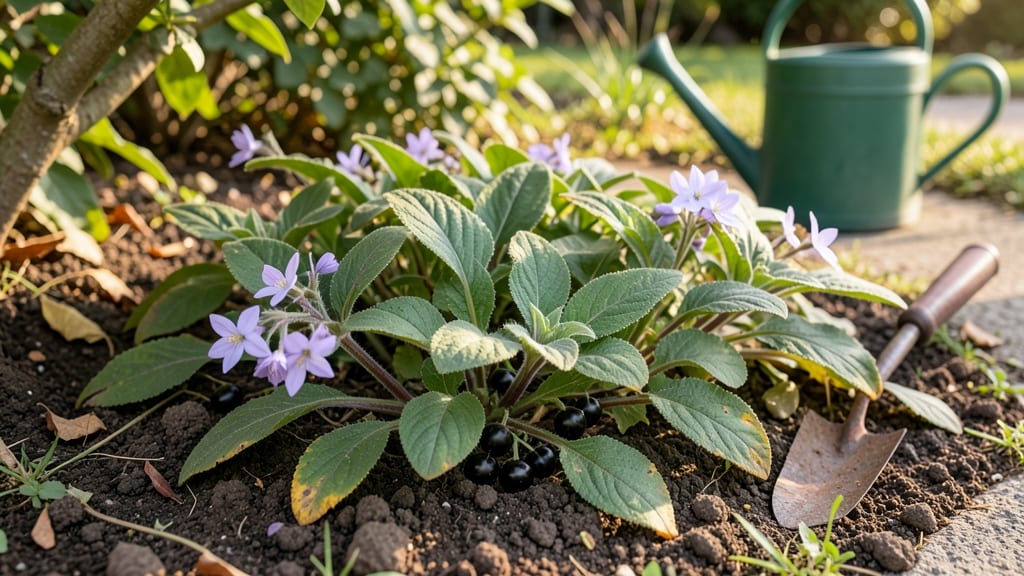
Your purple nightshade leaves might look stunning, but that deep color could signal serious stress—whether from nutrient hunger, drought, or pests. 🌿 I’ve watched my own plants go from vibrant green to dramatic purple, and it’s always a wake-up call for action.
The good news? This edible green is packed with nutrients like vitamins A and C, but only if you address the underlying issues first.
Cold snaps, dry soil, or phosphorus/magnesium deficiencies trigger that purple hue, while pests like aphids or diseases can make things worse. The key is checking soil moisture, amending with compost or bone meal, and keeping an eye out for tiny invaders.
My plants bounced back within weeks once I adjusted their care—no more purple warnings, just healthy growth.
You’ll restore those lush green leaves and unlock the full nutritional benefits of this powerhouse plant. The first harvest after fixing the problem tastes sweeter, too—like fresh spinach with a peppery kick. Just remember: only harvest leaves from Solanum nigrum (true nightshade), not its toxic lookalikes.
Works for container gardens, raised beds, or backyard plots—just adapt the fixes to your setup. Let’s turn those purple flags into green success stories!
Behind The Color Shift
Those vibrant purple nightshade leaves aren’t just a feast for the eyes—they’re a biological signal telling you something’s up in your plant’s chemistry. Whether you’re growing them in your garden or foraging wild, understanding why they turn purple helps you decide if they’re safe, nutritious, or even a red flag.
Let’s break down the science behind the color change.
Purple hues in nightshade leaves often scream nutrient deficiency, especially when nitrogen, phosphorus, or potassium levels drop. Here’s how it plays out:
- 🔬 Nitrogen Deficiency: Nitrogen is the building block of chlorophyll (the green pigment in leaves). When soil lacks nitrogen, chlorophyll production plummets, revealing anthocyanins—the same antioxidants that give blueberries and eggplants their deep colors. Result: Leaves turn purple, especially along the veins or in younger growth. 💡 Fix it by amending soil with compost, manure, or a balanced fertilizer (10-10-10 ratio).
- 💡 Phosphorus Shortage: Phosphorus fuels energy transfer in plants. Without enough, leaves develop a dull, purplish tint, particularly on the undersides. This is common in alkaline soils or when organic matter is scarce. 💡 Fix it with bone meal or rock phosphate, worked into the top 6 inches of soil.
- ⚡ Potassium Starvation: Potassium regulates water and nutrient uptake. A deficiency causes marginal scorching and purple edges, mimicking heat stress. 💡 Fix it with greensand, wood ash, or a potassium-rich fertilizer (like 0-0-50).
Pro Tip: Test your soil’s pH (ideal for nightshades: 6.0–6.8). Purple leaves in acidic soil (<5.5) may also signal manganese toxicity, which can make leaves bitter. Adjust with lime if needed.
Purple nightshade leaves can also be Mother Nature’s way of saying, “I’m struggling!” Here’s how external factors play a role:
- 🌡️ Extreme Heat or Cold: Nightshades like Solanum nigrum (black nightshade) produce anthocyanins as a sunblock to protect leaves from UV damage. In hot climates, expect purpling on exposed leaves. Conversely, frost stress can trigger purple blotches. 💡 Fix it by providing shade cloth (30–50%) or mulching to stabilize soil temps.
- 💧 Water Woes: Drought stress or overwatering (leading to root suffocation) can cause leaves to turn purple. Anthocyanins act as a stress signal, helping the plant conserve resources. 💡 Fix it with deep, infrequent watering (1–2 inches per week) and well-draining soil.
- 🌿 Light Competition: Shady spots or overcrowded plants may develop purple leaves due to limited photosynthesis. The plant redirects energy to survival mode, producing anthocyanins for protection. 💡 Fix it by thinning plants or moving them to partial sun (4–6 hours of direct light).
Fun Fact: Some varieties, like Solanum melongena (eggplant relatives), naturally develop purple leaves as a defense mechanism against herbivores. If your plant is otherwise healthy, the color might just be genetic flair!
Not all purple leaves are harmless—some signal invisible invaders wreaking havoc. Watch for these clues:
| Cause | Visual Clues | Action Steps |
|---|---|---|
| 🐜 Aphids/Spider Mites | Purple stippling, curled leaves, or sticky residue (honeydew). | Blast off pests with neem oil or introduce ladybugs. Prune heavily infested leaves. |
| 🍄 Fungal Infections (e.g., Early Blight) | Purple-brown spots with concentric rings (target-like lesions). | Remove infected leaves; apply copper fungicide or baking soda spray (1 tsp baking soda + 1 quart water + soap). |
| 🐛 Root-Knot Nematodes | Stunted growth, purple undersides, and gnarled roots. | Solarize soil (cover with clear plastic for 4–6 weeks) or plant marigolds as a trap crop. |
Warning: If purple leaves coincide with wilting, yellowing, or mold, isolate the plant immediately. Some nightshades (like deadly nightshade) can be toxic—never consume leaves with unusual textures or milky sap.
Key Takeaway: Purple nightshade leaves are rarely an emergency—but they’re always a conversation starter. Start with soil tests, adjust care, and monitor for pests. When in doubt, harvest healthy leaves first and let the plant recover.
Fixing Purple Nightshade Leaf Issues
When your purple nightshade (or Solanum nigrum) plants start showing unwanted changes—like yellowing, browning, or stunted growth—don’t panic! Most problems have simple, practical fixes. Below, we’ve mapped common issues to their solutions, so you can revive your plants and keep them thriving.
Signs: Wilting, yellowing leaves, or a mushy stem.
How to Fix It:
- 💧 Adjust Watering: Purple nightshade prefers well-drained soil but doesn’t like soggy roots. Water only when the top 1–2 inches of soil feel dry.
- ⛏️ Improve Drainage: Amend heavy clay soil with compost or perlite to help excess water drain away.
- 🌡️ Check Containers: If growing in pots, ensure they have drainage holes. Elevate containers to prevent water pooling.
Prevention Tip: 💡 Mulch around plants with straw or wood chips to retain moisture without suffocating roots.
Signs: Crispy, brown edges on leaves or drooping foliage.
How to Fix It:
- 💦 Water Deeply: Give plants a thorough soak at the base, especially during hot, dry spells.
- 🌿 Provide Shade: If temperatures exceed 90°F (32°C), move pots to partial shade or use shade cloth.
- 🌱 Boost Humidity: Mist leaves lightly in the morning to reduce stress (avoid evening misting to prevent fungal issues).
Prevention Tip: 🌡️ Plant in late spring or early fall to avoid peak summer heat—purple nightshade thrives in cooler weather.
Signs: Sticky residue, tiny webs, or chewed leaves.
How to Fix It:
- 🔥 Spray with Neem Oil: Mix 1 tsp neem oil + 1 tsp mild soap in 1 quart of water. Spray affected areas (test on a small leaf first).
- 👨🍳 Homemade Remedy: Blend garlic, chili peppers, and water into a spray for a natural pest deterrent.
- 🐞 Introduce Beneficial Insects: Ladybugs or lacewings eat aphids—release them near infested plants.
Prevention Tip: ✨ Inspect new plants before bringing them indoors, and quarantine them for a week.
Signs: White powdery spots or dark, mushy patches on leaves.
How to Fix It:
- 🌬️ Improve Airflow: Space plants 12–18 inches apart and prune crowded foliage.
- 💧 Water at the Base: Avoid overhead watering, which spreads spores. Use a watering can with a narrow spout.
- 🧴 Fungal Spray: Apply a mix of 1 part baking soda + 1 quart of water + a drop of dish soap. Spray every 7–10 days.
Prevention Tip: 💡 Rotate crops if growing nightshade in the same spot yearly—fungi linger in soil.
Signs: Pale yellow leaves (nitrogen deficiency) or purple stems (phosphorus lack).
How to Fix It:
- 🌱 Feed with Compost Tea: Brew compost tea (1 part compost to 5 parts water) and water plants weekly.
- 📊 Use Balanced Fertilizer: A 10-10-10 or 5-5-5 fertilizer (nitrogen-phosphorus-potassium) works well. Apply every 4–6 weeks.
- 🥗 Add Organic Matter: Mix in worm castings or aged manure for a slow-release nutrient boost.
Prevention Tip: 💪 Test soil pH (ideal: 6.0–7.0)—purple nightshade prefers slightly acidic to neutral soil.
Signs: Brown leaf tips or a chemical burn appearance.
How to Fix It:
- 💧 Flush the Soil: Water heavily to leach excess salts from the root zone.
- 🌿 Reduce Fertilizer: Switch to a diluted half-strength fertilizer or use organic options like fish emulsion.
- 🌱 Prune Damaged Leaves: Trim any severely burned foliage to redirect energy to healthy growth.
Prevention Tip: 🎯 Always follow package instructions—more fertilizer isn’t better!
- 🌿 Harvest Regularly: Pick leaves and berries (when ripe) to encourage bushier growth.
- 🌱 Rotate Plantings: Avoid growing nightshade in the same spot year after year to prevent soil depletion.
- 🌱 Monitor for Weeds: Weeds compete for nutrients—keep the area weed-free.
With these fixes, your purple nightshade should bounce back quickly. Most issues are reversible with a little TLC, and prevention keeps your plants lush and productive for seasons to come! 🌿✨
Frequently asked questions
Are purple nightshade leaves safe to eat?
Only if they're from Solanum nigrum (true nightshade) and grown organically! The purple color comes from anthocyanins, which are harmless antioxidants. However, never eat leaves from deadly nightshade (Atropa belladonna) or other toxic lookalikes—always confirm identification. Harvest young leaves for the mildest flavor.
Why do my nightshade leaves turn purple but stay healthy?
Some varieties naturally develop purple hues as a sun protection mechanism! This is common in hot climates where anthocyanins act like natural sunscreen. If the plant is otherwise thriving (no wilting, yellowing, or pests), the color is likely genetic. Just ensure proper watering and soil nutrients to maintain overall health.
Can I fix purple leaves by changing the light?
Purple nightshade needs 4-6 hours of sunlight daily—too much shade triggers anthocyanin production. Move plants to a sunnier spot (but avoid harsh afternoon sun in hot climates). If growing indoors, use a grow light 12-14 hours/day. Purple leaves should green up within 2-3 weeks of better light exposure.
What's the fastest way to restore green leaves?
Start with a soil test to check pH (ideal: 6.0-6.8) and nutrients. For quick fixes: water deeply if soil is dry, apply a balanced fertilizer (10-10-10), and mulch with compost. If pests are present, spray with neem oil. Most plants show improvement in 1-2 weeks with consistent care.
Are purple leaves more nutritious?
Yes! Anthocyanins in purple leaves boost antioxidant levels, but nutritional value depends on growing conditions. Healthy green leaves are more nutrient-dense overall. The purple color is a stress signal—fix underlying issues first, then harvest for maximum benefits. Always wash leaves thoroughly before eating.