
Shrubs
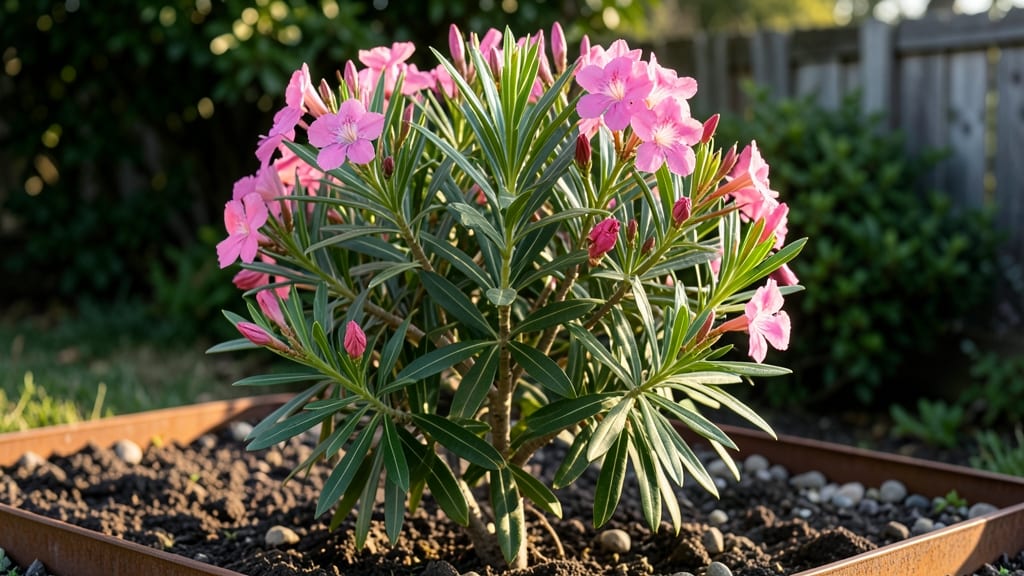
Oleander thrives in sun or shade, but the right balance keeps it blooming year-round 🌸 — and the wrong choice can turn your prized shrub into a sad, leggy stick.
Struggling to keep your oleander thriving in scorching heat or partial shade? The right variety can make all the difference—blooming nonstop without wilting or losing its vibrant colors.
In USDA Zones 9-11, where oleanders shine, full sun is ideal for heat-resistant types like 'Petite Pink' or 'Miss Hawaii,' but even shade-tolerant varieties like 'Miss Ruby' need smart adjustments to keep flowering.
Below, I’ll break down the best light conditions for each type, how to transition plants without stress, and the one pruning trick that doubles your blooms—no matter where you live.
 Best Window Placement
Sun-loving oleander varieties that thrive in full heat
If you're battling 100°F+ summers and want oleanders that bloom like fireworks, you’ve come to the right place. While oleanders love sun, not all varieties handle intense heat equally. Some wilt under harsh rays, while others thrive and explode with color.
Let’s dive into the top sun-loving varieties that turn your yard into a tropical paradise—even in brutal climates.
Oleanders are drought-tolerant powerhouses, but their flowering performance skyrockets when paired with full sun exposure. The key is selecting varieties bred for heat resistance and bright light. These plants aren’t just pretty—they’re survivors, designed to outperform in scorching conditions where other shrubs would fade.
My top picks include 'Petite Pink', 'Sugar Bush', and 'Miss Hawaii', each with unique traits to suit your garden’s needs.
Before we explore the varieties, here’s a quick rule of thumb: 6+ hours of direct sun is non-negotiable for maximum blooms. However, afternoon shade can prevent leaf scorch in extreme heat zones like Arizona or Southern California.
The varieties below are engineered to handle these conditions while still delivering show-stopping flowers from spring through fall.
| Variety | Sun Needs | Heat Tolerance | Mature Height | Bloom Season |
|---|---|---|---|---|
| Petite Pink | Full sun (6-8 hrs) | Excellent (USDA 9-11) | 4-6 ft | Spring-Fall |
| Sugar Bush | Full sun (8+ hrs) | Superior (handles 110°F+) | 6-10 ft | Year-round (tropical zones) |
| Miss Hawaii | Full sun (6+ hrs) | High (drought-resistant) | 8-12 ft | Spring-Fall (heavy blooms) |
| Red Damask | Full sun (7+ hrs) | Very high (classic heat-lover) | 10-15 ft | Summer-Fall |
| Snowflake | Full sun (6+ hrs) | Good (white blooms stand out) | 6-8 ft | Spring-Summer |
'Petite Pink' is my go-to for smaller gardens or containers. This variety packs a punch with bright pink blooms and stays compact at
Partial shade tolerant oleanders: can they bloom year-round?
If you’ve ever wondered whether oleanders can thrive—and bloom—in partial shade, the answer is a resounding yes! While these stunning shrubs are famous for their love of full sun, certain varieties like 'Miss Ruby', 'Miss Annie', and 'Miss Lily' adapt beautifully to filtered light.
These shade-tolerant oleanders may not bloom as prolifically as their sun-loving cousins, but with the right care, you can still enjoy vibrant flowers year-round.
The key lies in selecting the right variety and adjusting your care routine. Partial shade (3-6 hours of direct sunlight) is ideal for these oleanders, especially in hot climates where afternoon sun can scorch leaves.
However, they’ll still need bright, indirect light to maintain their color intensity and flowering potential. Let’s explore how to maximize their blooms in lower-light conditions.
⚖️ Oleander in Partial Shade: Pros and Cons
✅ Pros
- Less leaf scorch in hot climates
- Slower growth = easier maintenance
- Year-round blooms with proper care
- Adaptable to containers or small gardens
❌ Cons
- Fewer blooms than sun-exposed plants
- Leggy growth without enough light
- Weaker stems = more prone to flopping
- Requires regular pruning for shape
For year-round blooming, prioritize regular pruning to encourage new growth and remove spent flowers. Use balanced fertilizer (like 7-7-7) every 6-8 weeks during the growing season to support flowering. Avoid overwatering, as oleanders in partial shade are prone to root rot if soil stays soggy.
Another tip: Place your oleander near a south-facing window if growing indoors or under a light dappled tree outdoors. This mimics natural partial shade while ensuring enough brightness for blooms.
Monitor leaf color—pale or yellowing leaves signal a need for more light, while dark green and glossy leaves mean you’ve hit the sweet spot.
If your oleander starts to flop or lose flowers, it may need staking or a move to a slightly sunnier spot. Remember, even shade-tolerant varieties like 'Miss Ruby' will reward you with longer bloom cycles if given bright, indirect light and proper care.
With these adjustments, your oleander can stay vibrant and blooming almost year-round!
🌿