
Orchid Care
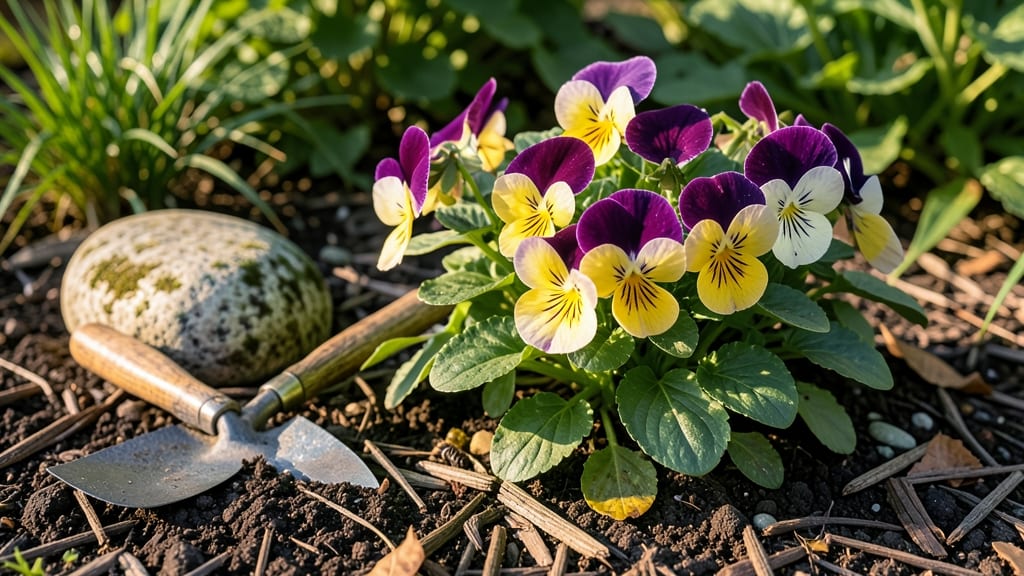
Pansies thrive in either sun or shade, but the right light conditions make all the difference for long-lasting blooms and vibrant colors.
Struggling to keep pansies blooming all season? The secret lies in matching the right variety to your garden’s light conditions—whether it’s bright sun or dappled shade.
Too much midday heat can scorch delicate petals, while too little light dulls their colors and stunts growth. But with the right choices, you can enjoy cheerful, 🌸 face-like blooms from spring through fall.
In this guide, I’ll break down the best pansy types for sun vs. shade, regional adjustments, and simple care tweaks to keep them flourishing—no matter where you garden.
 Best Window Placement
Best pansy varieties for full sun exposure and heat tolerance
If you're growing pansies in hot climates or sunny garden beds, not all varieties handle the heat equally. Traditional pansies often bolt or fade under intense afternoon sun, but heat-resistant hybrids and sun-tolerant types can thrive with the right care.
The key is choosing varieties bred for high-light conditions and adjusting your planting strategy to protect delicate blooms.
Sun-loving pansies typically feature thicker waxy leaves and darker petal centers to reflect excess heat. These varieties also tend to have stronger stems to support heavy blooms without flopping.
In my own Zone 8 garden, I’ve found that morning sun exposure (6 AM–2 PM) prevents wilting while still delivering vibrant colors. For afternoon sun, shade cloth or strategic mulching becomes essential.
Here’s how to identify the best full-sun pansies and keep them blooming all season:
For maximum heat tolerance, prioritize the 'Matrix' and 'Freedom' series—they’re bred to withstand 90°F+ temperatures with minimal wilting. My top pick is 'Freedom Yellow', which maintains its bright color even in July heat, unlike traditional pansies that bleach out.
Pair these with reflective mulch (like white gravel) to reduce soil temperatures by 10–15°F and extend blooming.
Color trends in sun-loving pansies skew toward bright hues (yellows, oranges, deep purples) because lighter colors fade faster under UV exposure. If you prefer pastels, opt for 'Sorbet' varieties and plant them where they receive only morning sun. Avoid white pansies in full sun—they scorch quickly and require afternoon shade.
To prevent wilting or fading, follow these 3 critical planting tips:
- Water deeply in the morning (1/2 cup per plant) to hydrate roots before heat peaks.
- Space plants 8–12 inches apart for airflow, reducing fungal risks from trapped humidity.
- Use shade cloth (30–50%) if your region hits 95°F+—even sun-tolerant pansies benefit from afternoon relief.
Pro tip: Mix pansies with heat-loving companions like snapdragons or portulaca to create a self-shading microclimate. In containers, choose terracotta pots (they breathe better than plastic) and bury them halfway in the soil to stabilize temperatures. With these adjustments, your pansies will bloom 30–50% longer in full sun than standard varieties.
🌸
Top shade-tolerant pansies for cool, low-light gardens
If your garden gets dappled shade or full shade, don’t assume pansies won’t thrive there! The right varieties can bloom beautifully with just 2-4 hours of light daily. Dark-leaved pansies actually thrive in cooler conditions, resisting heat stress while producing vibrant flowers.
My favorite shade-loving picks include compact varieties like 'Sorcerer' and 'Cool Wave,' which stay lush and colorful even in low-light spots.
Shade-tolerant pansies need moist, well-draining soil to prevent root rot. Amend heavy clay with compost or perlite to improve aeration. In full shade, mulch with organic matter to regulate soil temperature and retain moisture.
I’ve found that container-grown pansies in shade adapt even better, letting you move them to sunnier spots when needed.
🌿 Best Shade-Tolerant Pansy Varieties
- 'Sorcerer' Series – Deep purple-black foliage with vibrant blooms in blue, violet, and yellow. Thrives in partial to full shade and blooms nonstop from fall to spring.
- 'Cool Wave' Mix – Compact 10-inch-tall plants with ruffled petals in cool tones. Perfect for woodland gardens or under tree canopies.
- 'Matrix' (Dark Eyes) – Velvety black centers with white or yellow petals. Handles low light better than most and resists powdery mildew.
- 'Majestic Giant' (Shade Mix) – Larger 3-inch blooms in deep purples and blues. Ideal for border edges or container gardens in shade.
- 'Celebration' Series – Heat-tolerant yet shade-friendly, with ruffled edges in pastel and bright hues. Blooms earlier in cooler weather.
Pro Tip: For longer blooming, deadhead spent flowers weekly and fertilize lightly with 5-10-10 every 4-6 weeks in spring and fall.
To extend the blooming season, I’ve had success with seasonal variety rotation. Plant spring pansies in late summer for fall color, then swap them out for fall pansies in early spring.
This keeps your shade garden bursting with color year-round. Just remember: avoid afternoon sun in hot climates, even for shade-tolerant types.
For container gardening, choose wide, shallow pots with drainage holes. Fill with a mix of potting soil and compost, and place pansies where they get morning sun and afternoon shade.
This setup mimics their natural woodland preferences while preventing leaf scorch. I’ve seen container pansies last up to 6 months with proper care!
Watch for powdery mildew in humid shade gardens. Improve airflow by spacing plants 6-8 inches apart and watering at soil level (not overhead). A neem oil spray applied every 2 weeks keeps fungal issues at bay. With these adjustments, your shade-loving pansies will outperform sun-starved varieties every time.
Don’t let low-light conditions limit your pansy options—embrace the cool, moody beauty of dark-leaved varieties! These shade specialists prove that pansies aren’t just for sunny spots.
Try one of these varieties in your woodland garden or north-facing border, and you’ll be rewarded with months of cheerful blooms without the fuss. Happy gardening! 🌷