
Light Requirements
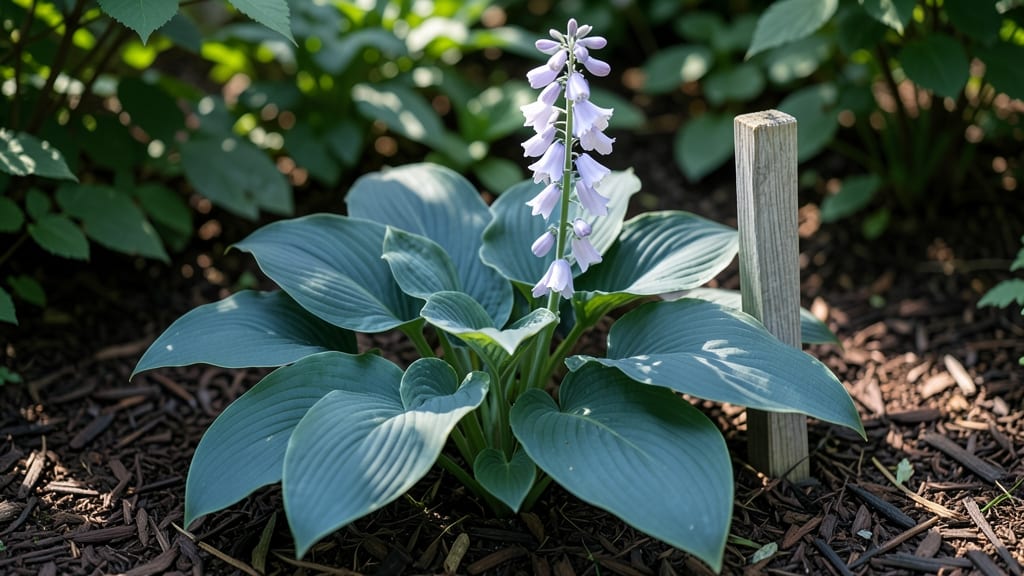
Understanding part shade is all about finding that sweet spot between too much sun and not enough. 🌿 Plants in these conditions often develop stronger stems and deeper root systems because they're not struggling for light but also aren't scorched by intense afternoon rays.
I've seen hostas and ferns flourish in these spots while avoiding the crispy edges that come from full sun exposure. The key is observing how light moves through your space—morning sun with afternoon shade creates the perfect microclimate for shade-loving perennials.
What makes part shade particularly valuable is how it mimics natural forest understory conditions, where many ornamental plants originally evolved. Dappled light from tree branches creates moving patterns that actually stimulate better growth in some species compared to uniform shade.
For gardeners in hot climates, this light level can mean the difference between plants thriving and wilting—it's why I always recommend testing your garden's light conditions before selecting plants.
💡 In This Article
- How Part Shade Affects Plant Growth and Health
- Best Plants for Part Shade Gardens
How part shade affects plant growth and health
Part shade creates a unique photosynthetic environment where plants receive enough light for moderate growth but avoid the stress of full sun exposure. Studies show that plants in 3-6 hours of direct sunlight experience optimal photosynthesis rates while minimizing water loss through transpiration.
This balance is particularly important for shade-tolerant species like ferns and hostas, which can develop leaf burn when exposed to more than 4-5 hours of direct sun in hot climates.
The key mechanism here is how light intensity affects chlorophyll production—too much light damages chlorophyll molecules, while part shade maintains that delicate equilibrium.
The angle of sunlight matters just as much as duration.
Morning sun (typically 9 AM-12 PM) provides cooler, less intense light that's gentler on leaves, while afternoon sun (after 2 PM) can deliver harsh, concentrated UV rays that scorch foliage. 🌞 Dappled light—where sunlight filters through tree branches—creates natural shading patterns that actually stimulate better growth in some plants by preventing leaf overheating.
This is why many woodland plants thrive in part shade conditions that mimic their native forest understories. The light quality in part shade also contains more blue wavelengths (which plants need for growth) compared to the red-heavy light of full sun.
What's fascinating is how different plant species metabolize this light spectrum. Shade-tolerant plants like impatiens and astilbes have evolved broader leaves to capture more diffuse light, while sun-loving varieties develop thicker cuticles to protect against dehydration.
In part shade, you often see plants developing stronger stems and deeper root systems as they allocate resources to support themselves rather than constantly fighting for light.
This is why part shade gardens often produce healthier, more resilient plants compared to those in full sun or deep shade—it's the Goldilocks zone of light exposure.
Comparing part shade to full sun and full shade reveals dramatic differences in plant physiology.
Full sun plants (like lavender or rosemary) need 6+ hours of direct light to photosynthesize efficiently, while full shade plants (like calathas or maidenhair ferns) thrive with less than 3 hours and often prefer indirect light.
Part shade sits perfectly between these extremes, offering enough light for moderate growth without the stress of full sun exposure. The result? Plants in part shade often exhibit better color saturation, fewer pest issues (since many insects avoid shaded areas), and more consistent flowering throughout the growing season.
One common misconception is that part shade means "some shade," but the exact light duration matters tremendously. A spot with 2 hours of morning sun and 4 hours of afternoon shade is very different from one with 5 hours of midday sun and 1 hour of shade.
The timing affects plant performance—morning sun is generally safer than afternoon sun for most shade-tolerant species. This is why I always recommend using a light meter or observing your garden throughout the day to determine the precise light conditions before selecting plants.
Even a 1-hour difference in sunlight exposure can mean the difference between thriving and struggling for many species.
For gardeners in hot climates, part shade becomes especially valuable as it reduces water requirements while still supporting vigorous growth. Plants in part shade typically need 20-30% less water than those in full sun because they're not losing moisture through intense transpiration.
This water efficiency makes part shade gardens more sustainable and easier to maintain, particularly during drought conditions. The trade-off?
You'll need to select plants that are specifically adapted to these light conditions—mixing full sun and shade lovers in the same bed will lead to disappointment for one group or the other.