
Light Requirements
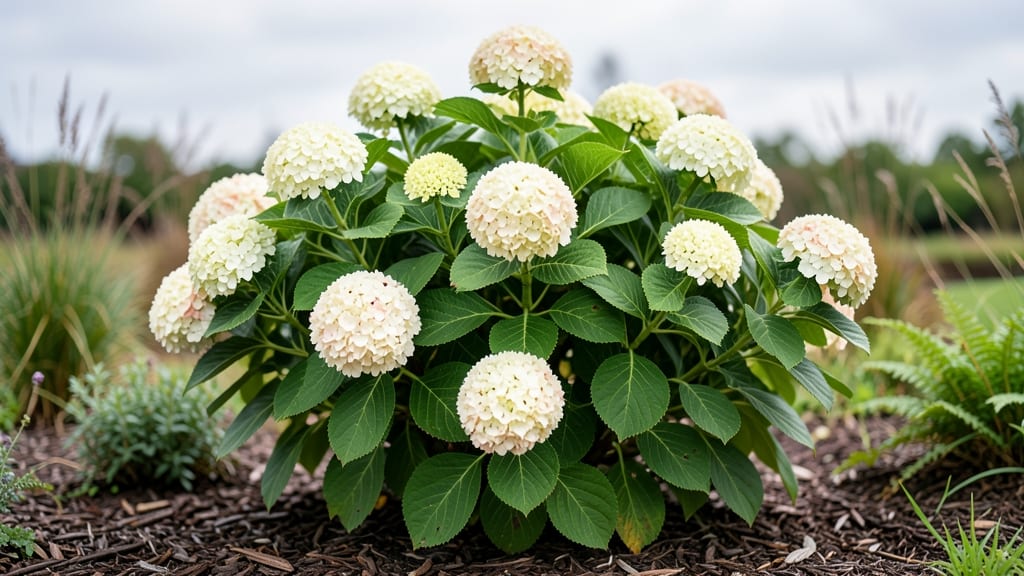
Zone 4 gardeners, meet your new shade-tolerant superstars. 🌿 These part-shade shrubs don't just survive the cold—they thrive, blooming reliably even when sunlight is scarce.
After years of trial and error (and a few failed experiments with finicky varieties), I've narrowed it down to the toughest, most beautiful options that actually perform where I live. The real magic happens with plants like hydrangeas and azaleas, which handle morning sun and afternoon shade like champions.
They reward you with vibrant blooms from spring through fall, and most need less fuss than you'd think—just consistent moisture and occasional pruning to keep them shaped. My Oakleaf hydrangea still puts on a show after 10 years with almost no maintenance.
What you'll love most is how these shrubs transform your garden's texture and color. The deep green foliage of inkberry holly provides year-round structure, while serviceberry delivers white spring blooms, edible berries, and brilliant fall color—all on the same plant.
They're the kind of shrubs that make neighbors stop and ask, "What are those?" Works equally well for foundation plantings, woodland gardens, or small-space borders. Here's the full list of cold-hardy performers that won't let you down."
📚 In This Guide
- What you need
- Instructions
- Tips and common mistakes
- Wrapping up and next steps
What you need
- ● Part-shade shrubs (Zone 4 hardy): 3–5 plants (e.g., Hydrangea arborescens, Weigela florida, or Spiraea japonica). Buy 1-gallon containers for easier transplanting.
- ● High-quality potting soil: 1–2 bags (50 lbs each) of peat-free, moisture-retentive mix (e.g., Miracle-Gro Premium or Espoma Organic).
- ● Compost or aged manure: 1–2 bags (40 lbs) to enrich soil with nutrients.
- ● Mulch: 2–3 bags (2 cu. ft. each) of wood chips or shredded bark (avoid dyed mulch).
- ● Slow-release fertilizer: 1–2 lbs of 10-10-10 or 5-10-5 blend (e.g., Osmocote).
- ● Garden trowel: 1 (for planting small shrubs).
- ● Shovel: 1 (for digging larger holes, 12–18" deep).
- ● Garden gloves: 1 pair (nitrile-coated for durability).
- ● Pruning shears: 1 (bypass type, sharp and sanitized).
- ● Wheelbarrow or bucket: 1 (for mixing soil/amendments).
- ● Watering can or hose with nozzle: 1 (with a gentle spray setting).
- ● Measuring tape: 1 (to ensure proper spacing—aim for 3–6 ft apart, depending on shrub maturity).
- ● Test your soil: Use a pH test kit (aim for 5.0–7.0; most part-shade shrubs prefer slightly acidic to neutral soil). Adjust with lime (to raise pH) or sulfur (to lower it) if needed.
- ● Choose the right location: Ensure 3–6 hours of dappled sunlight (morning sun + afternoon shade works best). Avoid soggy spots—Zone 4 shrubs hate "wet feet"!
- ● Timing is key: Plant in early spring or early fall when temps are mild (50–70°F). Avoid extreme heat or frost.
- ○ Optional but helpful: Soil conditioner (e.g., Gypsum for clay soil).
- ● Plant tags or labels (to track varieties).
- ● Organic slug bait (e.g., Iron phosphate) if pests are a concern.
How to select and plant part-shade shrubs for Zone 4 gardens
Here's the straightforward approach I use to pick and establish cold-hardy shrubs that thrive in partial shade.
🌿 Step 1: Choose the Right Shrub Species for Your Conditions
Zone 4's harsh winters demand shrubs with proven cold tolerance and adaptability to 4-6 hours of morning sun. Start with hydrangeas (like 'Endless Summer'), azaleas (such as 'Girard's Pink'), or serviceberry (Amelanchier spp.)—these handle -30°F without fuss. Check the plant tag for USDA Zone 3-4 ratings.
Look for shrubs with multi-season interest: early spring blooms, summer foliage color, and winter structure. For example, inkberry holly (Ilex glabra) provides glossy leaves year-round, while spirea (Spiraea japonica) offers vibrant fall foliage. I always cross-reference my microclimate notes—if your yard stays wet in spring, avoid hydrangeas that rot in soggy soil.
🪴 Step 2: Prepare Planting Sites with Proper Soil Amendments
Test your soil's pH—hydrangeas need 5.0-5.5 for blue blooms, while azaleas thrive in 4.5-5.5. Amend heavy clay with 2-3 inches of compost mixed into the top 12 inches of soil. For sandy soil, blend in 30% peat moss to retain moisture. I dig a hole twice as wide as the root ball but only as deep—planting too deep suffocates roots.
Add a slow-release fertilizer (like 10-10-10) only if your soil test shows deficiencies. Over-fertilizing encourages tender new growth that won't survive Zone 4 winters. Water the hole thoroughly before planting to settle the soil and eliminate air pockets around roots.
☀️ Step 3: Plant Shrubs at the Correct Depth and Spacing
Position the shrub so the top of the root ball sits 1 inch above ground level—this prevents soil from washing into the crown during heavy rains. Space 3-5 feet apart for medium shrubs (like hydrangeas) and 6-8 feet for large specimens (like serviceberry). I always plant on a slightly elevated mound to improve drainage.
Backfill with native soil mixed with 1 part compost to encourage root expansion. Water deeply to eliminate air gaps, then add 2-3 inches of mulch (wood chips or shredded bark) to retain moisture and regulate soil temperature. Keep mulch 6 inches away from the stem to prevent rot.
💧 Step 4: Establish a Watering Routine for First-Year Survival
Water deeply once a week during the first growing season, aiming for 1-1.5 inches of moisture per session. Check by pushing a 6-inch screwdriver into the soil—if it resists, water again. I always water in the early morning to reduce fungal risks. After the first year, most part-shade shrubs establish deep roots and need only natural rainfall unless drought persists.
In Zone 4's first winter, apply 3-4 inches of mulch around the base (but not against the stem) to protect roots from freeze-thaw cycles. Avoid heavy pruning in early spring—wait until after blooming to shape shrubs, as this encourages robust growth for the next season.
✂️ Step 5: Prune Strategically for Year-Round Health
Prune hydrangeas immediately after flowering to shape the plant and encourage next year's blooms. For azaleas, prune right after blooming to maintain their natural form. I use clean, sharp shears and make cuts at a 45-degree angle just above a bud. Remove dead, diseased, or crossing branches first—this improves airflow and reduces pests.
In late winter (February), prune spirea and serviceberry to remove old wood, which produces weaker blooms. I never prune more than one-third of the plant in a single season—this prevents shock and ensures vigorous regrowth. After pruning, apply a balanced fertilizer (like 10-10-10) to support new growth.
Tips & tricks for perfect part-shade shrub planting
These hard-won insights will help you transform your Zone 4 garden into a year-round showcase of cold-resistant beauty.
Species Selection: When choosing shrubs for your part-shade garden, prioritize those labeled "Zone 3-4" on their tags—this ensures they'll survive our winters without fuss. For maximum impact, select varieties with staggered bloom times. For example, plant serviceberry for early spring blooms, hydrangeas for summer color, and spirea for fall foliage. This creates continuous interest throughout the growing season while maintaining that multi-season appeal we're after.
Soil Prep Strategy: The pH requirements for different shrubs can be tricky—hydrangeas need 5.0-5.5 for blue blooms while azaleas thrive at 4.5-5.5. If you're unsure about your soil's pH, invest in a simple test kit before planting. For heavy clay soils, I've found that mixing in 2-3 inches of compost into the top 12 inches of soil dramatically improves drainage while retaining moisture. This amendment also helps prevent that dreaded root suffocation from planting too deep.
Planting Depth: Positioning your shrubs at the correct depth is more critical than most gardeners realize. The top of the root ball should sit just 1 inch above ground level—this prevents soil from washing into the crown during heavy rains, which can lead to rot. I always create a slightly elevated mound when planting to further improve drainage. This small adjustment makes a surprisingly big difference in first-year survival rates, especially for tender new plants in Zone 4's unpredictable climate.
Winter Protection: After your first winter, you'll notice how the 3-4 inches of mulch we applied around the base (but not against the stem) protects roots from damaging freeze-thaw cycles. For extra insurance during our harsh winters, consider adding a layer of straw mulch over the top of regular mulch—this creates an insulating blanket that can make the difference between thriving shrubs and winter casualties. Just remember to remove it in early spring before new growth begins.
Pro Tips for Part Shade Shrubs Zone 4
- These hard-won insights will help you transform your Zone 4 garden into a year-round showcase of cold-resistant beauty.
- Species Selection: When choosing shrubs for your part-shade garden, prioritize those labeled "Zone 3-4" on their tags—this ensures they'll survive our winters without fuss.
- Soil Prep Strategy: The pH requirements for different shrubs can be tricky—hydrangeas need 5.0-5.5 for blue blooms while azaleas thrive at 4.5-5.5.
Frequently asked questions
about part-shade shrubs in Zone 4—because even the hardiest gardeners have questions! Here are answers to the most common ones to help you grow with confidence.What’s the best time to plant part-shade shrubs in Zone 4?
Plant in early spring (April–May) or early fall (September–October) for the best success. Avoid late fall or winter—frost can stress young roots. Spring planting gives shrubs time to establish before summer heat, while fall allows them to settle before dormancy.
How do I protect these shrubs from Zone 4 winters?
Most cold-hardy shrubs (like Hydrangea paniculata or Weigela) handle Zone 4 winters with ease, but young plants or tender varieties may need a mulch layer (3–4 inches of shredded bark or leaves) around the base. Avoid piling mulch against stems to prevent rot.
Can I grow part-shade shrubs in containers in Zone 4?
Choose compact varieties like Dwarf Fothergilla or Compact Hydrangea. Use well-draining soil, a pot with drainage holes, and move containers to a sheltered spot in winter. Insulate pots with bubble wrap or burlap to shield roots from freezing.
Why are my part-shade shrubs losing leaves early?
Early leaf drop in Zone 4 often signals stress—check for overwatering, poor drainage, or pests (like spider mites). Ensure soil stays moist but not soggy and prune dead branches promptly. If leaves turn yellow, it could be nutrient deficiency—fertilize lightly in spring.
What’s a low-maintenance alternative to hydrangeas for part shade?
Try Spirea (Spiraea japonica) or Dwarf Ninebark (Physocarpus)—both thrive in part shade, handle Zone 4 winters, and offer season-long interest. They’re drought-tolerant, pest-resistant, and bloom with minimal fuss. Plus, their foliage adds color even when flowers fade!
Wrapping up and next steps
Choosing the right part-shade shrubs for Zone 4 can transform your garden into a vibrant, low-maintenance haven—even in chilly climates!
From evergreen staples like Pieris japonica to bold bloomers such as Weigela, these cold-hardy plants thrive with minimal sunlight while delivering year-round beauty. Don’t wait to start! Sketch your garden layout, pick 2-3 shrubs that suit your style, and plant them this season for a headstart on next year’s stunning display. 🌿✨
Next step: Grab your gloves and dive into planting—your future garden will thank you!