
Landscaping
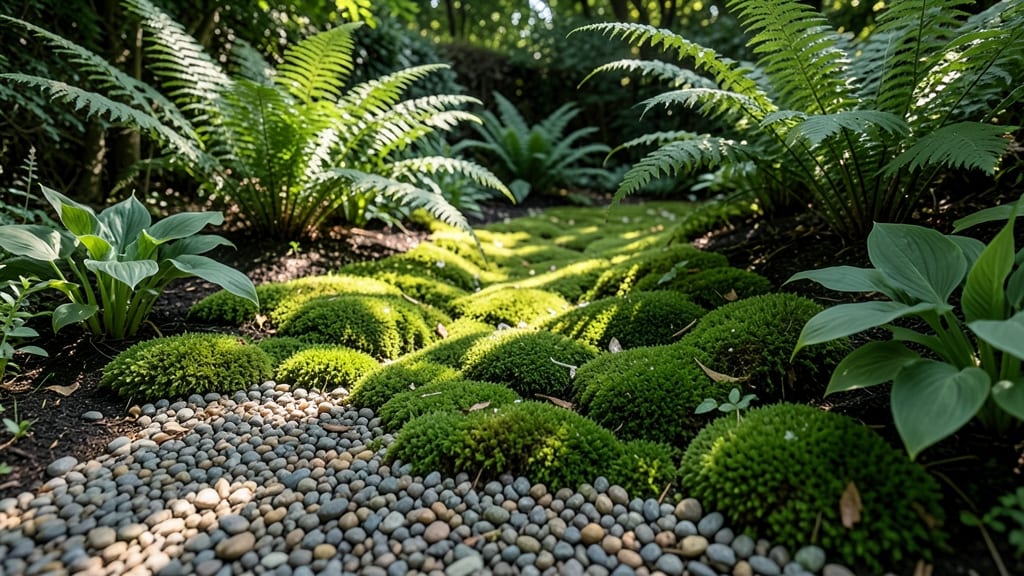
Tired of battling weeds in your garden beds? Pea gravel creates clean, weed-resistant borders that enhance any landscape while requiring minimal upkeep. These 10 creative designs prove how versatile and practical this material can be for both modern and traditional gardens.
Modern Geometric Pea Gravel Pathway Borders
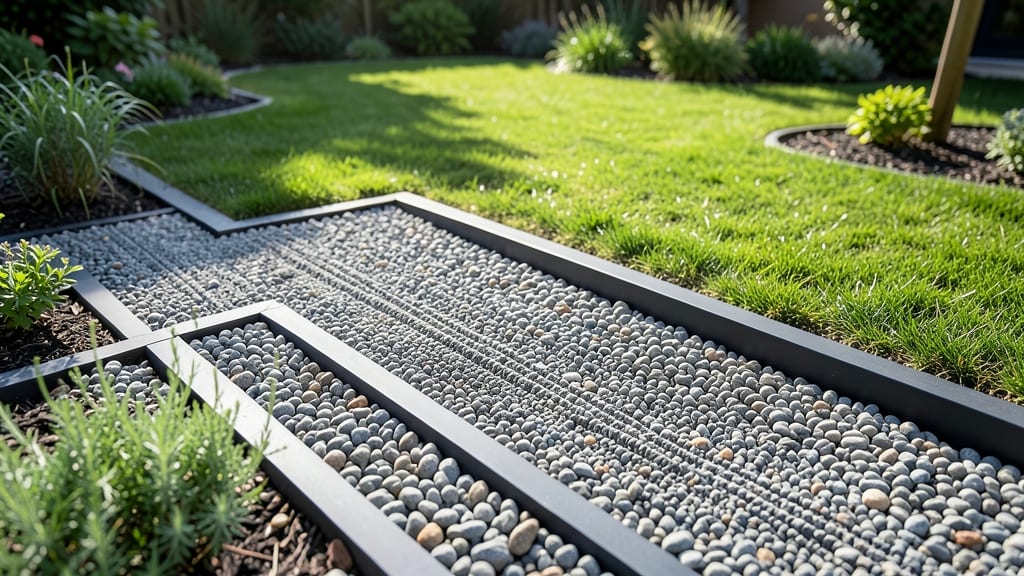
Want to give your urban garden a sleek, high-contrast look without the mess? Modern geometric pea gravel borders create sharp, architectural lines that define plant beds while keeping weeds at bay—especially at those tricky 90-degree angles where grass struggles to grow.
Start by outlining your bed with landscaping fabric before adding a 2- to 3-inch layer of pea gravel along the edges. For extra precision, use a metal edging strip to contain the gravel and create those clean, modern lines. Pair it with succulents or ornamental grasses to highlight the contrast between soft foliage and the crisp gravel.
This design is perfect for city dwellers with small yards or anyone craving a low-maintenance, polished look. The gravel stays weed-free year-round, so you’ll spend less time weeding and more time enjoying your garden. ✨
Cottage Garden Pea Gravel Edging with Wildflowers
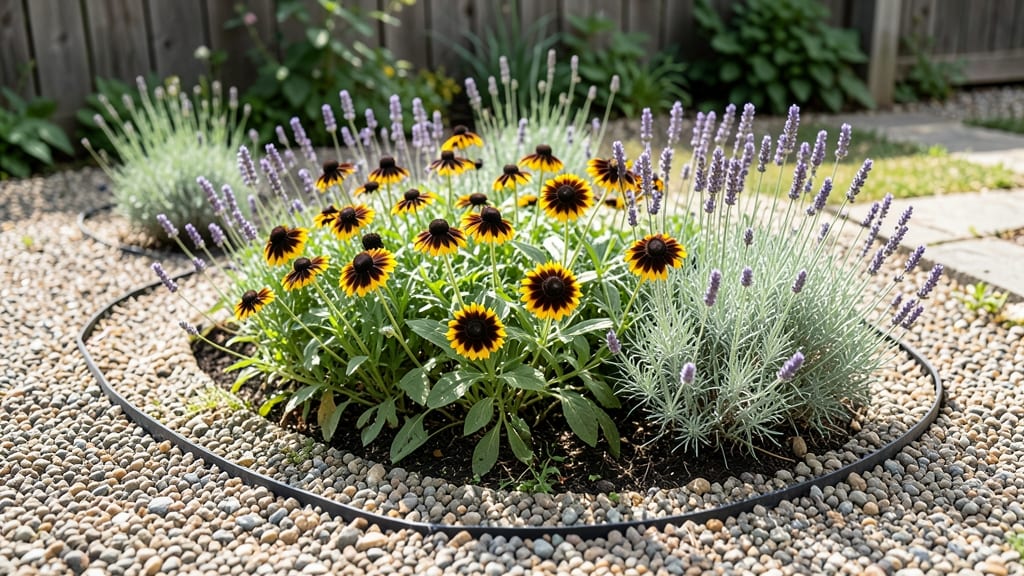
Skip the rigid lines of formal gardens—this cottage garden pea gravel edging brings effortless charm with a wildflower-filled centerpiece. The loose, organic curves of pea gravel contrast beautifully with the natural sprawl of black-eyed Susans and lavender, while keeping weeds at bay without the fuss of mulching.
Start by outlining your bed with a 3-4 inch layer of pea gravel along the edges, then let native wildflowers like coneflowers and salvia fill the center. The gravel’s neutral tones highlight the blooms’ colors while reflecting sunlight for a sunlit, inviting look. For extra rustic appeal, add a rusted metal trellis or weathered wooden fence nearby.
This design is perfect for gardeners who love low-maintenance beauty with a touch of nostalgia—ideal for small yards, heritage-style homes, or anyone craving a pollinator-friendly retreat. 🌷
Japanese Zen Garden Gravel Patterns
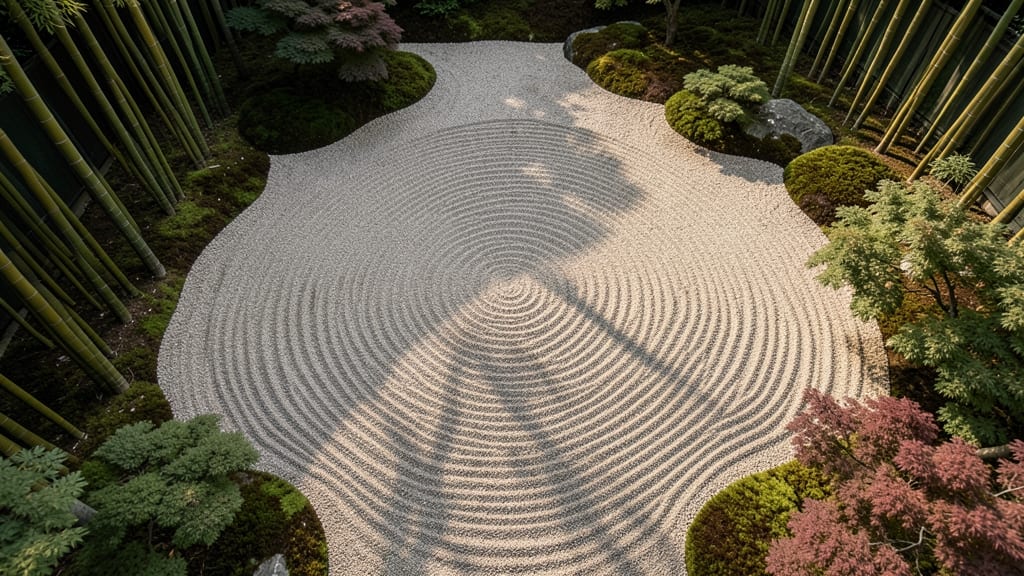
Create a serene escape in your garden with Japanese Zen garden gravel patterns—where every rake stroke becomes a meditative practice. This design transforms simple pea gravel into a calming visual rhythm that pairs beautifully with bamboo, moss, and dwarf maples for a space that feels like a retreat.
Start by laying a 3-4 inch base of pea gravel over a compacted soil layer to prevent weeds. Use a raked pattern—think waves, spirals, or straight lines—to mimic natural sand gardens. For extra tranquility, incorporate flat stones or moss accents into the design. This style thrives in shaded or partially shaded areas, making it perfect for small corners or meditation spots.
Ideal for gardeners seeking mindful gardening, this approach requires minimal upkeep while delivering maximum visual impact. Even a small section can become your personal Zen sanctuary. ✨
Raised Bed Pea Gravel Mulch Alternative
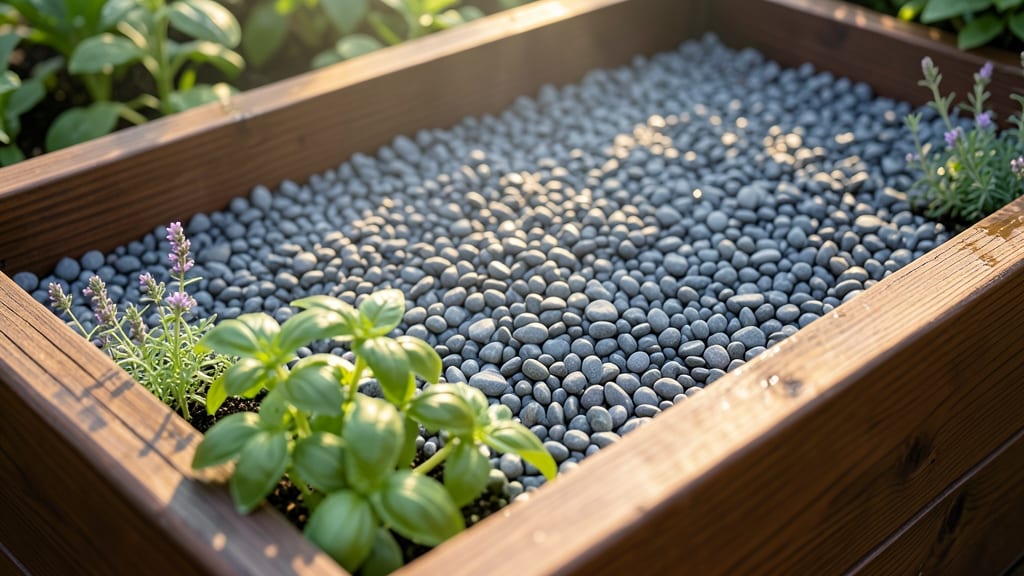
Say goodbye to mulch maintenance in your raised beds—pea gravel offers a sleek, long-lasting alternative that keeps weeds at bay and improves drainage. Unlike organic mulch, it won’t decompose or attract pests, making it perfect for vegetables and herbs that need consistent moisture.
Create a 4-inch border around your raised bed to prevent soil erosion while keeping the bed’s edges crisp and clean. This method also reflects heat, which can help protect shallow-rooted plants in hot climates. For best results, pair it with drip irrigation to maintain even moisture without overwatering.
Urban gardeners and small-space growers will love this low-fuss solution—it’s ideal for patios, balconies, or any area where traditional mulch would be impractical. 🌿
Colorful Pea Gravel Accents with Annuals
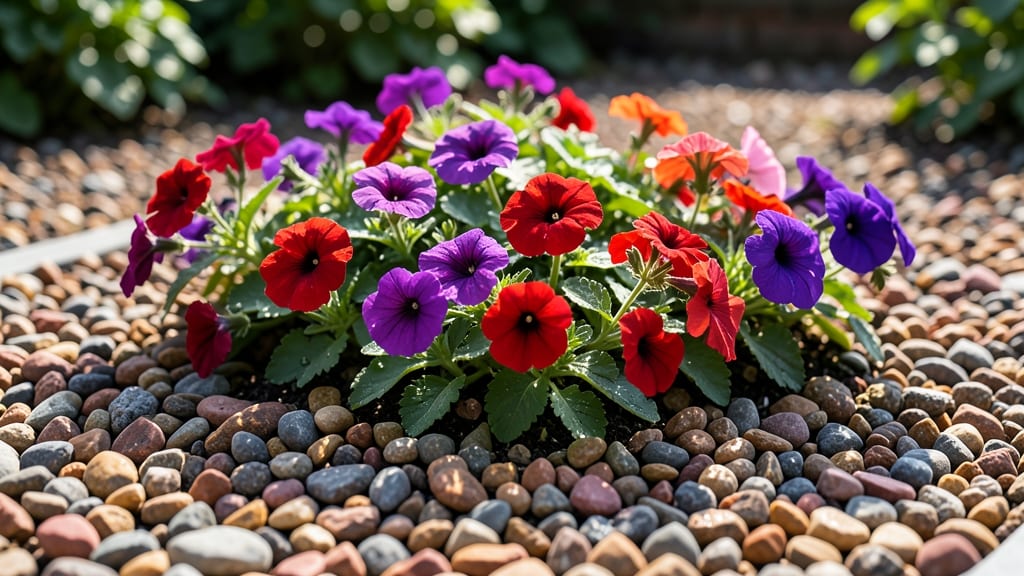
Want to make your annual flower beds pop with year-round visual interest? Swap plain mulch for colorful pea gravel—red, brown, or gray—to frame your petunias, geraniums, or impatiens in bold contrast. This simple swap instantly elevates your seasonal display while keeping weeds at bay.
Start by outlining your bed with 2–3 inches of pea gravel along the edges, then fill any gaps between plants with the same color for cohesion. For maximum impact, pair bright red gravel with white impatiens or deep gray gravel with purple salvia. Since gravel doesn’t break down, the colors stay vibrant through every season, and you’ll spend less time weeding.
This trick is perfect for renters, urban gardeners, or anyone short on time—it’s a low-maintenance way to refresh your garden’s look without replanting. Just add a few annuals, and you’ll have a high-impact bed that turns heads. ✨
Stepping Stone Pathway with Pea Gravel Fill
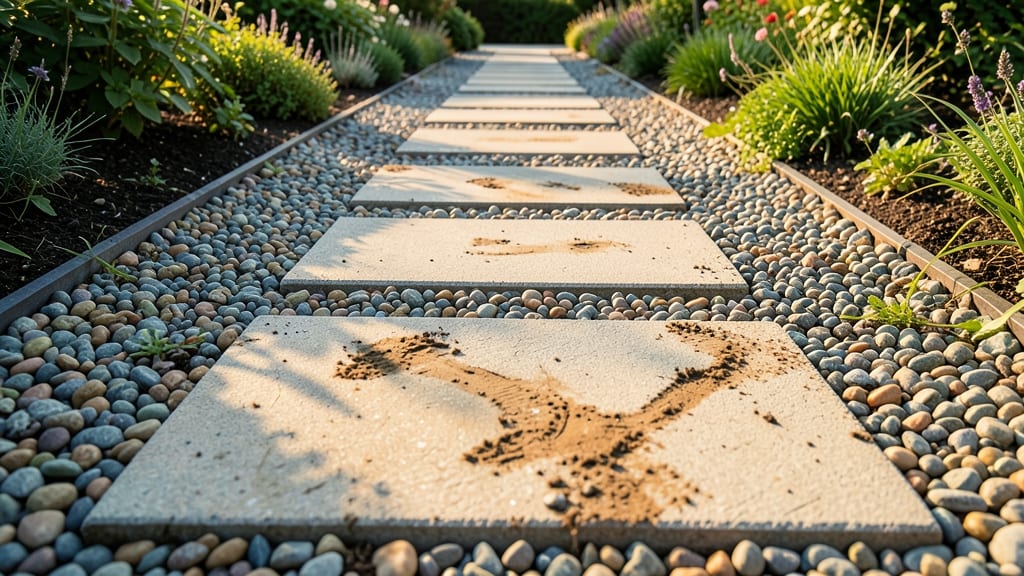
Tired of muddy paths ruining your garden’s polished look? A stepping stone pathway filled with pea gravel creates a clean, durable walkway that stays weed-free and prevents soil erosion—no more sinking boots or muddy footprints.
Start by laying stepping stones (concrete, slate, or flagstone) every 12–18 inches along your desired path. Fill the gaps with 3–4 inches of pea gravel, then tamp it down lightly. This setup allows water to drain easily while keeping weeds at bay. For extra charm, border the path with low-growing herbs like thyme or creeping thyme, which spill over the edges for a fragrant, cohesive look.
This design is perfect for gardeners who want a low-maintenance, timeless path that complements any style—from cottage gardens to modern landscapes. Plus, the gravel stays cooler underfoot than pavement, making it a comfortable choice for warm-weather strolls. 🌿
Desert-Inspired Gravel Garden with Succulents
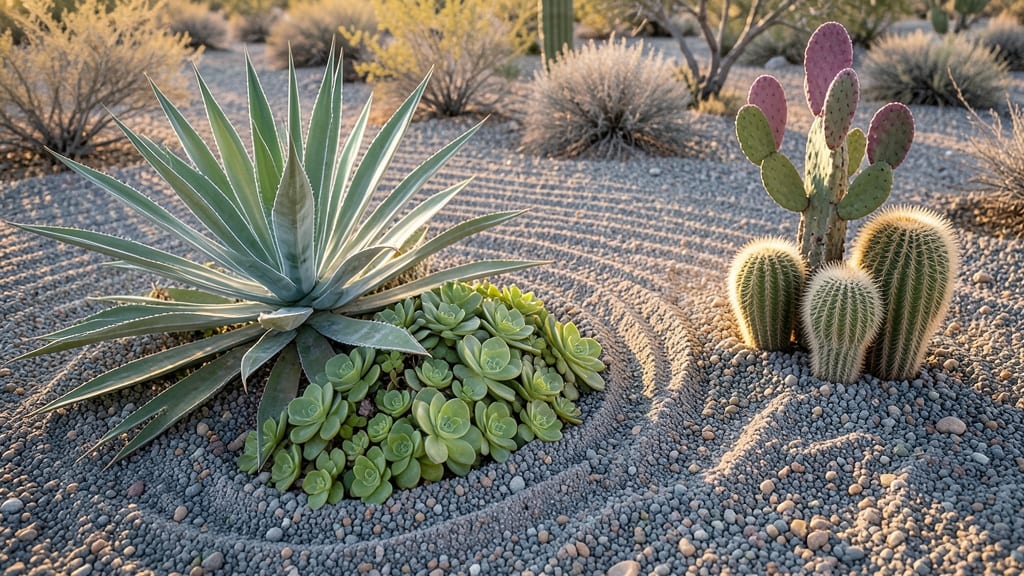
Bring the drama of the desert into your garden with a drought-tolerant pea gravel bed that thrives on minimal water. This bold design uses gray pea gravel as a striking base to showcase agave, sedum, and cacti, creating a high-contrast look that’s perfect for arid climates or water-conscious gardeners.
Start by spreading a 4-inch layer of pea gravel over a weed barrier cloth to prevent unwanted growth. Plant clumping succulents like blue agave and hens-and-chicks in small clusters, spacing them 12-18 inches apart for a natural desert feel. Add spiky cacti along the edges for texture, and choose sedum varieties like 'Autumn Joy' for seasonal color. This setup requires watering only every 2-3 weeks once established.
This design is ideal for gardeners in USDA zones 5-10 who want a low-maintenance, high-impact bed that mimics natural desert ecosystems. The gravel reflects sunlight, keeping roots cool while the succulents thrive in the heat. 🌻
Pea Gravel Border for Container Gardens
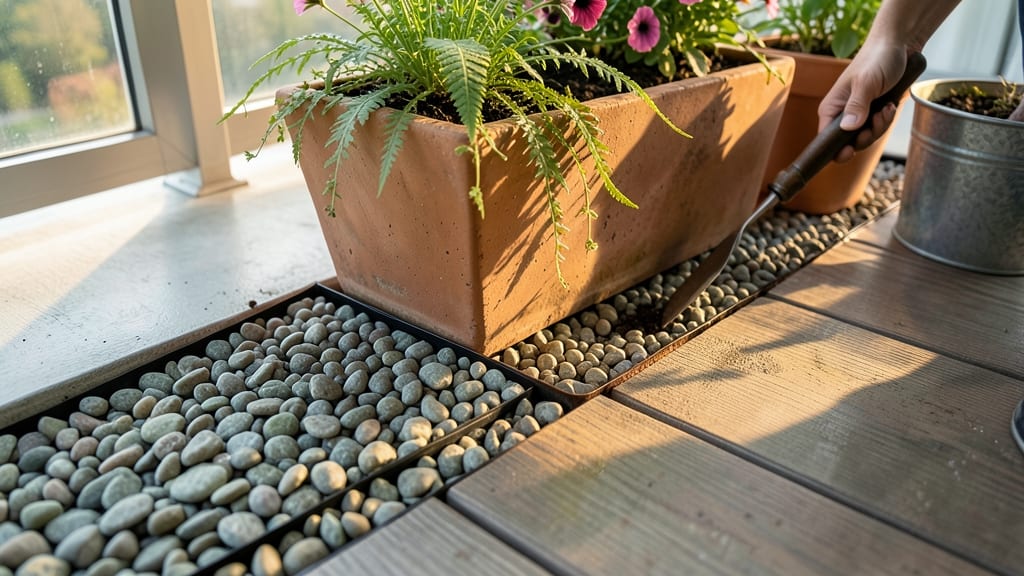
Transform your patio or balcony into a polished oasis with a pea gravel border that instantly elevates your container garden. This simple trick keeps soil contained, improves drainage, and adds a sleek, finished look—perfect for small spaces where every inch counts.
Start by placing a 2-inch layer of pea gravel around the base of each pot, creating a neat barrier that prevents soil from spilling onto decks or patios. For extra cohesion, choose gravel in a neutral tone like gray or beige to complement your plants. This method also helps regulate moisture, reducing the risk of overwatering in containers where roots can become waterlogged.
Urban gardeners and renters will love this low-effort solution—no digging, no permanent changes, and it works for everything from herb pots to ornamental shrubs. The best part? Your containers will look intentional and professional with minimal effort. 🌿
Wildlife-Friendly Gravel and Native Plants
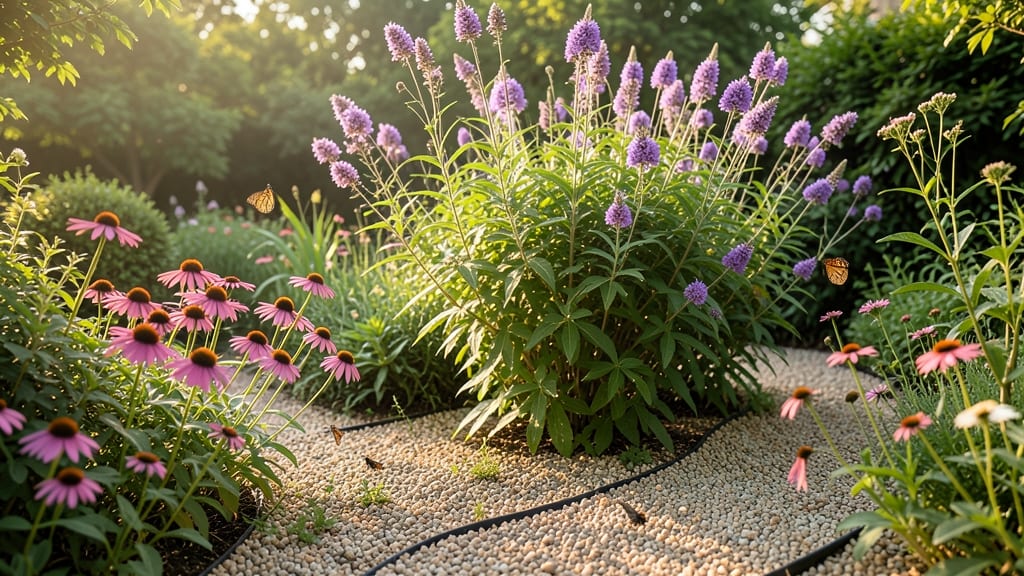
Turn your garden into a buzzing ecosystem with a wildlife-friendly pea gravel bed that doubles as a pollinator paradise. By pairing native plants like butterfly bush (Buddleia) and coneflowers (Echinacea) with pea gravel, you create a low-maintenance space that thrives with life while keeping weeds at bay.
The gravel provides a clean, weed-free base that stays dry and warm, perfect for attracting bees, butterflies, and birds. Plant milkweed (Asclepias) for monarchs or goldenrod (Solidago) for late-season pollinators, and add a bird feeder nearby for extra wildlife activity. This design works especially well in sunny meadows or along fence lines where native plants naturally flourish.
Perfect for eco-conscious gardeners, this approach supports local ecosystems while reducing water needs. Your garden will hum with activity—just add gravel and let nature take over! 🌻
Pea Gravel and Moss Ground Cover Combo

Transform your shady garden corners into a year-round green oasis by combining pea gravel with moss—a dream duo for low-light areas that stays lush without the upkeep. This soft-textured combo creates a natural, velvety carpet that muffles weeds while adding a serene woodland aesthetic to your landscape.
Start by laying a 2-3 inch base of pea gravel over a weed barrier cloth to prevent invasive roots. Then, sprinkle moss spores (or pre-grown sheets) over the gravel, keeping the area moist for the first few weeks. The gravel provides drainage and prevents moss from becoming waterlogged, while the moss softens the gravel’s texture and stays vibrant even in dry shade. Pair it with ferns, hellebores, or hostas for a cohesive, high-impact look.
This combo is perfect for gardeners who love quiet, textured landscapes with minimal weeding. It’s especially ideal for beginners or those with shady patios, woodland gardens, or understory plantings—no sun, no fuss, just endless green. 💚