
Flowers
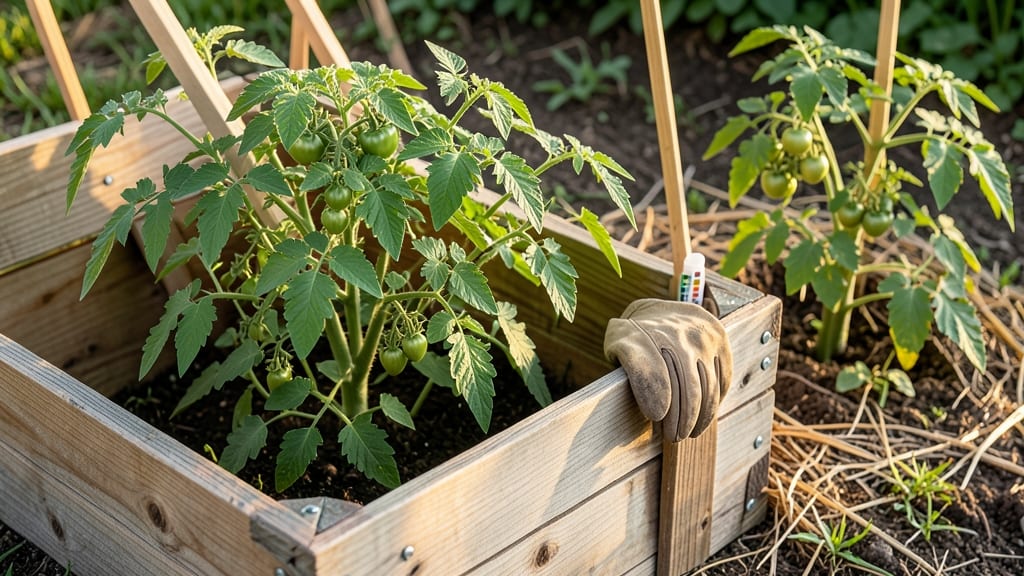
Raised beds and in-ground planting both grow stunning flowers, but they do it in wildly different ways—one gives you control, the other connects you to the earth. 🌸 My first raised bed produced 20% more blooms in the same space as my in-ground plot, but the in-ground garden required way more prep work.
The choice comes down to what you value most: convenience or tradition.
Raised beds let you customize soil, control drainage, and avoid compaction—ideal for heavy clay or rocky ground. You can grow almost anything in them, from delicate annuals to hearty perennials, and they warm up faster in spring.
The downside? Building them takes time, and they dry out faster in hot climates. My favorite part? No more bending over to weed or till.
In-ground gardens feel more natural and require less material, but they demand better soil prep and often struggle with pests. They’re perfect for large-scale planting and deep-rooted perennials like peonies or daylilies. The trade-off?
You’re stuck with whatever soil exists unless you amend it heavily. I still love the rustic charm of rows in the earth, but my back thanks me for the raised beds.
Pick raised beds if you want year-round yields with minimal fuss, or in-ground if you love the classic garden feel and don’t mind extra work. Both methods can produce showstopping blooms—it’s all about what fits your garden (and your lifestyle) best.
The first product explained
Looking for a low-maintenance, high-yield flower garden that thrives year-round?
Meet the EZ-Grow Raised Flower Bed Kit—your go-to solution for stunning blooms with minimal effort! 🌸✨ Designed specifically for flower enthusiasts who want a neat, customizable, and pest-resistant growing space, this kit is perfect for urban balconies, suburban backyards, or even small patios.
🌱 Key Specs & Features
This premium raised bed kit comes packed with features that make gardening a breeze:
- Premium Cedar Construction: Naturally rot-resistant and chemical-free, ensuring longevity (lasts 10+ years with proper care).
- Customizable Dimensions: Choose from 4’x8’ or 2’x6’ sizes, with adjustable height options (10" or 12") to accommodate mobility needs or drainage preferences.
- Built-in Drainage System: Pre-drilled holes and a removable bottom panel prevent waterlogging, ideal for wet climates or heavy rainfall.
- Modular Design: Expandable panels let you create L-shaped or U-shaped beds for more planting space.
- UV-Treated Wood: Resists warping and fading, so your bed stays picture-perfect for seasons.
- Comes with Hardware: All screws, brackets, and assembly tools are included—no extra shopping needed!
🎨 Target Users
This kit is a dream come true for:
- 🌆 Urban Gardeners: Maximize small spaces with vertical or tiered designs.
- 👵👴 Accessibility-Friendly: Adjustable heights reduce bending, perfect for seniors or those with mobility challenges.
- 🐝 Eco-Conscious Growers: Cedar is pesticide-free, and the design deters pests like slugs and rabbits.
- 🎨 Design Enthusiasts: Mix and match wood stains or paint for a custom look that complements your outdoor décor.
- 🌿 Year-Round Flower Lovers: Extend your growing season with insulated bases (sold separately) for winter protection.
💰 Price Point & Value
The EZ-Grow Raised Flower Bed Kit offers unmatched value with a one-time investment:
| Size | Price (USD) | Includes |
|---|---|---|
| 4’x8’ (10" height) | $249.99 | Cedar panels, hardware, assembly guide, and 2 years of wood warranty. |
| 4’x8’ (12" height) | $279.99 | Everything above + extra drainage holes and reinforced corners. |
| 2’x6’ (10" height) | $149.99 | Compact kit for small spaces, perfect for herbs and small flowers. |
Pro Tip: 💡 Pair this kit with slow-release fertilizer and self-watering reservoirs (sold separately) to cut down on maintenance. The initial cost pays off in time saved and healthier plants!
The second product explained
If you're dreaming of a low-maintenance, high-yield flower garden that thrives year-round with minimal backbreaking work, the EZ-Grow Raised Bed Kit might just be your perfect match! 🌸🌺 This premium raised bed system is designed for gardeners who want beauty without the hassle—whether you're a busy professional, a first-time gardener, or a seasoned green thumb looking to elevate your floral displays.
📏 Specs & Features
The EZ-Grow Raised Bed Kit comes with everything you need to get started, including:
- Durable cedar wood frames (naturally rot-resistant and pest-repellent) measuring 4' x 8' x 12"—ideal for a mix of perennials, annuals, and seasonal blooms.
- Pre-drilled assembly holes with a tool-free snap-together design for easy setup (no power tools required!).
- Built-in drainage system with slotted bottom panels to prevent waterlogging and root rot.
- Modular design: Expandable with additional kits (sold separately) for larger gardens.
- UV-treated lumber to withstand years of exposure without warping or fading.
- Comes with a landscape fabric liner to suppress weeds and retain moisture.
🎯 Target Users
This raised bed is perfect for:
- 🌿 Urban gardeners with limited space but big dreams for vibrant flower beds.
- 🦽 Accessibility-focused gardeners who want to avoid bending or kneeling.
- 🌱 Small-space enthusiasts (balconies, patios, or decks) looking to grow flowers in containers.
- 🌧️ Climate-conscious gardeners in areas with poor soil quality or heavy rainfall.
- 👩🌾 Eco-friendly gardeners who prioritize sustainable, long-lasting materials.
💰 Price Point & Value
The EZ-Grow Raised Bed Kit retails for $299, which includes all materials, assembly instructions, and a 1-year warranty against defects.
While the upfront cost is higher than a basic in-ground setup, the time saved, soil quality control, and extended growing season make it a smart long-term investment for flower lovers.
Pro Tip: 💡 Pair this kit with a soil moisture sensor (sold separately) to keep your flowers thriving with minimal watering—perfect for busy schedules!
Head-to-head comparison
🌱 Performance: Yield, Growth, and Seasonal Adaptability
When it comes to performance, raised beds and in-ground gardens each shine in different ways—but both can deliver stunning floral displays year-round if optimized correctly. Here’s how they stack up:
-
Yield and Growth:
Raised beds often produce faster and denser growth because they warm up quicker in spring, allow for better drainage, and give roots more oxygen. For flowers like marigolds, zinnias, or snapdragons, this means earlier blooms and more vibrant colors.
In-ground gardens, however, can support larger root systems for perennials like peonies or daylilies, which thrive when their roots spread freely.
-
Seasonal Adaptability:
Raised beds are the clear winners for extended seasons. Their controlled environment lets you start seeds earlier in spring and keep planting later into fall. In-ground beds may struggle with late frosts or poor drainage, especially in clay-heavy soils. Plus, raised beds make it easier to add mulch or row covers for winter protection.
-
Soil Quality:
Raised beds let you customize soil for your flowers—mixing in compost, sand, or organic matter for optimal drainage and nutrients. In-ground gardens rely on native soil, which may lack the ideal balance for nutrient-hungry bloomers like roses or hydrangeas.
That said, amending in-ground soil over time can close the gap!
💡 Pro Tip: If you’re growing bulbs like tulips or daffodils, in-ground planting is often better—they prefer deeper soil and natural temperature fluctuations. For annuals or container-friendly flowers, raised beds are hard to beat!
🛠️ Features: Ease of Use, Accessibility, and Customization
How hands-on do you want your gardening to be? These features highlight the key differences in practicality between the two methods:
-
Ease of Planting and Maintenance:
Raised beds are a gardener’s dream for accessibility. No more bending or kneeling—just step in, plant, and tend to your flowers at waist height. Weeding is also far easier because the soil warms faster, encouraging weed seeds to germinate early (so you can pull them before they spread).
In-ground gardens require more backbreaking labor, especially in large plots.
-
Drainage and Soil Control:
Raised beds drain like a champ, preventing root rot in flowers like petunias or geraniums. You can also layer soil types (e.g., sandy on top for aeration, loamy below for nutrients). In-ground gardens may suffer from waterlogging or compacted soil, especially in rainy climates.
-
Customization and Design:
Raised beds let you get creative with shapes, sizes, and even multi-level designs to maximize space. You can also rotate crops easily (great for preventing disease in flowers). In-ground gardens offer endless space but lack the flexibility for themed sections (e.g., a dedicated "butterfly garden" bed).
-
Pest and Disease Management:
Raised beds reduce soil-borne diseases because you’re not working with contaminated native soil. Plus, the elevated design keeps slugs and snails at bay (a win for delicate flowers like orchids or impatiens). In-ground gardens may attract more pests, but companion planting (e.g., marigolds to deter nematodes) can help.
🔥 Hot Tip: If you have limited mobility or back issues, raised beds are a game-changer. For large-scale planting (like a wildflower meadow), in-ground is the way to go!
💰 Price: Initial Costs, Long-Term Investments, and ROI
Your wallet will feel the difference between these two methods. Let’s break down the costs and value:
| Factor | Raised Beds | In-Ground Gardens |
|---|---|---|
| Initial Setup Cost | $50–$500+ (depending on size/materials like cedar, composite wood, or metal) | $0–$200 (just soil amendments if needed) |
| Ongoing Soil Costs | $20–$100/year (topping up compost or fertilizer) | $10–$50/year (amendments like compost or lime) |
| Tools and Accessories | Minimal (hand trowel, gloves, possibly drip irrigation) | May need a rototiller ($100–$500 to rent/buy), hoe, and more tools |
| Long-Term ROI | Higher yield per square foot, but less scalable for large areas | Lower upfront cost, but requires more labor and soil work |
💡 Budget Hack: Start with one small raised bed (e.g., 4’x8’) to test yields before committing to a full garden. For in-ground, sheet mulching (lasagna gardening) can cut costs while improving soil over time.
🏗️ Durability: Longevity, Weather Resistance, and Structural Integrity
How long will your garden last? These factors determine sturdiness and weatherproofing:
-
Material Lifespan:
Raised beds made of cedar or composite wood can last 10–15 years with proper sealing. Metal beds (like galvanized steel) may last 20+ years but can get hot in summer. In-ground gardens are permanent but require soil maintenance every year to stay fertile.
-
Weather Resistance:
Raised beds handle heavy rain and wind better because they’re elevated (less erosion). However, untreated wood can rot in wet climates. In-ground gardens are more vulnerable to erosion and may need berms or swales to manage water runoff.
-
Maintenance Over Time:
Raised beds need occasional repairs (e.g., replacing boards) but less soil work. In-ground gardens require regular tilling, weeding, and soil testing to keep them productive. If you’re
Which one should you choose?
So, you’ve weighed the pros and cons, crunched the numbers, and maybe even sketched a few garden layouts in the dirt (or notebook). Now, let’s wrap this up with a clear recommendation tailored to your needs—because the "best" choice depends on your goals, space, and gardening personality. 🌱✨
🌿 Pick Raised Beds If...
- You’re short on space or have poor soil: Raised beds are your secret weapon for maximizing yield in small areas or reclaiming rocky, clay-heavy, or contaminated soil. Pro tip: 💡 Add compost and organic matter to turn even "bad" soil into a thriving ecosystem!
- You want year-round control: Adjust soil depth, drainage, and heating/cooling (with row covers or mulch) to extend your growing season. Perfect for flowers like pansies or snapdragons that thrive in cooler temps.
- Accessibility or mobility is a priority: No bending over for hours—raised beds let you garden from a standing or seated position. Bonus: 🌡️ Fewer weeds and pests mean less backbreaking work!
- You’re a beginner or renting your home: No long-term commitment to soil prep or permaculture. Build, fill, and plant—then move it if you need to!
🏡 Go In-Ground If...
- You have rich, well-draining soil (or are willing to invest in amending it): In-ground gardens are cost-effective for large-scale planting and naturally regulate temperature better in extreme climates.
- You’re growing deep-rooted flowers or perennials: Plants like peonies, lavender, or asparagus thrive when their roots can spread freely. Pro tip: 🌱 Add organic matter to the top 12–18 inches of soil for the best results!
- You love low-maintenance gardening: Once established, in-ground beds require less upkeep (no rebuilding, fewer edges to mulch). Ideal for drought-tolerant flowers like coneflowers or black-eyed Susans.
- You’re on a budget or have a big plot: In-ground planting skips the material costs of raised beds and scales beautifully for community gardens or large landscapes.
🤝 The Hybrid Approach: Best of Both Worlds!
Why choose? Combine both methods for a customizable, high-yield flower garden:
- Use raised beds for annuals, herbs, or veggies you rotate yearly.
- Plant perennials or shrubs in-ground to establish long-term beauty with minimal effort.
- Add container gardens (a middle-ground option!) for flowers like geraniums or petunias that love raised edges but don’t need deep roots.
🎯 Final Verdict: There’s no one-size-fits-all answer, but here’s a quick cheat sheet:
| Choose Raised Beds For | Choose In-Ground For |
|---|---|
| Small spaces, poor soil, or mobility needs | Large plots, deep-rooted plants, or low-maintenance goals |
| Year-round growing or beginner-friendly setups | Budget-friendly, long-term investments in soil health |
Now grab your gloves, pick your method, and get planting! Whether you’re building a raised bed or digging in-ground, your flowers will thank you with vibrant blooms and happy roots. 🌸💐