
Companion Plants
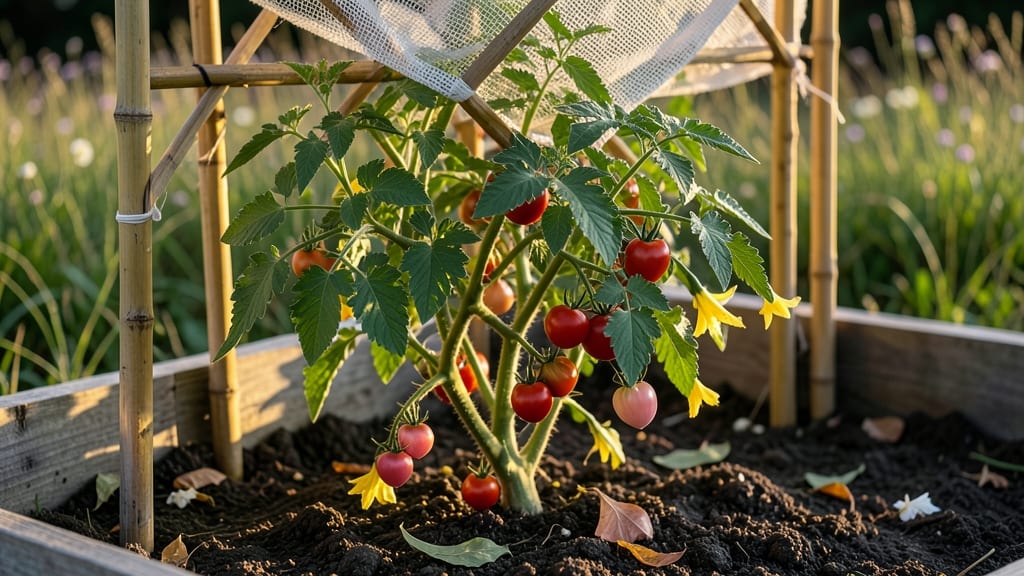
Growing tomato plants in shade for tomato plants isn’t a lost cause—it’s about choosing the right dwarf varieties and giving them the love they need. 🌱 The key lies in selecting compact types like 'Tiny Tim' or 'Patio Princess,' which handle partial shade better. than their tall cousins.
These plants won’t stretch toward the sun, so they focus energy on producing fruit instead of vines. Most gardeners assume shade means no tomatoes, but with the right setup, you can still get a harvest.
Start by planting in the shadiest part of your yard that gets at least 4-6 hours of morning sun—afternoon shade is less critical. Amend the soil with compost to improve drainage, and water consistently to prevent stress from fluctuating moisture.
You’ll notice the difference in just a few weeks: sturdy stems, glossy leaves, and clusters of ripe tomatoes where others might struggle. The secret is patience—these varieties grow slower but produce flavorful fruit when cared for properly.
Prune regularly to encourage airflow, and use a balanced fertilizer to support steady growth. This method works for balconies, courtyards, or even under trees. The right dwarf variety and a little extra attention turn shade into a productive spot. Let’s get those plants thriving!
📚 In This Guide
- What you need
- Instructions
- Tips and common mistakes
- Wrapping up and next steps
What you need
- ● Shade cloth: 30-50% density (choose 30% for partial shade, 50% for full sun protection). Quantity: Enough to cover your tomato bed or individual plants (e.g., 4’x6’ sheets for small gardens).
- ● Stakes or hoops: Wooden, metal, or PVC (1-2” diameter, 4-6’ tall). Quantity: 1 per 4’x4’ area or 1 per plant.
- ● Clips or twine: Heavy-duty clothespins, zip ties, or garden twine (for securing shade cloth).
- ● Measuring tape: To ensure proper spacing and coverage.
- ● Scissors or utility knife: For cutting shade cloth to size.
- ● Dwarf tomato seedlings/plants: Shade-tolerant varieties like ‘Tiny Tim,’ ‘Patio,’ or ‘Micro Tom.’
- ● Reflective mulch: White or silver plastic sheeting to deflect extra heat away from plants.
- ● Adjustable shade frames: Pre-made kits with removable sides for ventilation.
- ● Thermometer/hygrometer: To monitor temperature and humidity in shaded areas.
- ● Companion plants: Tall, shade-providing companions like basil or beans (plant near edges).
How to grow shade-tolerant tomatoes successfully
Here’s how I’ve learned to coax thriving tomatoes from even the shadiest spots—no fancy tricks, just smart variety choices and simple adjustments.
🌱 Step 1: Pick the Right Dwarf Varieties for Low Light
Not all tomatoes tolerate shade equally. I always reach for determinate (bush) varieties like 'Tiny Tim', 'Patio Princess', or 'Micro Tom'—they stay compact and produce fruit even with just 4-6 hours of filtered light daily. Indeterminate vines (like 'Cherry Roma') need full sun and will struggle in deep shade.
Check seed packets for "shade-tolerant" labels or research varieties bred for containers. I’ve grown 'Sun Gold' in partial shade with mixed success—it needs at least 6 hours of morning sun to set fruit. Start with a proven performer like 'Bush Early Girl' if your spot gets only 3-4 hours of light.
☀️ Step 2: Position Plants for Maximum Light Exposure
Even shade-tolerant tomatoes need strategic placement. Place pots or beds where they catch morning sun first—it’s the least intense and helps prevent leaf scorch. If your garden gets afternoon shade (like from a tall fence), rotate pots weekly by 90 degrees so all sides get equal light exposure.
Watch for yellowing leaves—a classic sign of light deprivation. If you see this, move the plant 2-3 inches closer to the light source or supplement with a grow light 12-18 inches above for 12 hours daily. A south-facing window works best, but east or west exposures can work if you add a grow light for 2-3 hours in the middle of the day.
💧 Step 3: Adjust Watering for Shade-Grown Tomatoes
Shade slows evaporation, so the soil stays moist longer—but that doesn’t mean you should water less. I check the top 2 inches of soil daily; if it’s dry, water deeply until it drains from the bottom. Overwatering in shade leads to blossom end rot (black spots on fruit) and root rot.
Use a moisture meter or the finger test: Stick your index finger 1 inch deep—if it feels dry, water. Mulch with 2-3 inches of straw or shredded leaves to keep moisture stable. Shade-grown tomatoes also appreciate a balanced fertilizer (10-10-10) every 2 weeks to compensate for slower growth.
✂️ Step 4: Prune and Support for Compact Growth
Dwarf varieties need less pruning, but I still remove suckers (side shoots between stems and leaves) to focus energy on fruit production. Pinch off any growth that crowds the main stem—this prevents disease and improves airflow, which is critical in shade where humidity lingers.
Use cages or stakes 18-24 inches tall to support plants, even if they’re dwarf varieties. Shade can make stems weak, and wind or heavy fruit can snap them. Tie stems to supports with soft plant ties every 4-6 inches as they grow. Remove any leaves touching the ground to prevent soil-borne diseases.
🌿 Step 5: Monitor and Adjust for Fruit Set
Shade-tolerant tomatoes still need help setting fruit. If flowers appear but drop off, your plant isn’t getting enough light or heat. I’ve found that hand-pollinating flowers with a small paintbrush (gently tapping anthers onto stigmas) boosts success in low-light conditions.
Watch for small, green fruit that stays hard—this means the plant isn’t getting enough energy to ripen them. Move the plant to a slightly sunnier spot or add a grow light for 4-6 hours daily. If fruit forms but stays pale and mealy, increase fertilizer to 20-20-20 every 3 weeks for a phosphorus boost to ripen fruit faster.
Tips & tricks for growing thriving tomatoes in shade
Between us, growing tomatoes in shade isn't impossible—it just takes a few clever adjustments. Here's what I've learned after years of trial and error with my own shade garden.
Variety Selection is Everything: When you're working with limited light, the right tomato variety makes all the difference. Stick with proven performers like 'Tiny Tim' or 'Bush Early Girl' that can thrive with just 3-4 hours of light daily. I've found these varieties produce fruit even when others would give up completely. The key is looking for determinate types—these bush varieties stay compact and don't need the same amount of sunlight as their indeterminate cousins.
Light Positioning Strategy: Morning sun is your best friend when growing tomatoes in shade. Position your plants to catch those gentle morning rays first—they're less intense than afternoon sun and help prevent leaf scorch. I've had great success placing my containers on a north-facing windowsill where they get morning light but stay shaded in the afternoon. Remember to rotate your pots weekly by 90 degrees to ensure even light exposure all around.
Soil Moisture Management: Shade slows evaporation, but don't let that fool you into thinking you can water less. The top 2 inches of soil should be checked daily—if it feels dry, water deeply until it drains from the bottom. I've learned this the hard way: overwatering in shade leads to blossom end rot and root rot. Use a moisture meter or the finger test (stick your index finger 1 inch deep) to avoid guesswork. Mulching with 2-3 inches of straw helps maintain consistent moisture levels.
Grow Light Supplementation: When natural light falls short, grow lights become your secret weapon. Position a grow light 12-18 inches above your plants for 12 hours daily if needed. For east or west windows, add a grow light for just 2-3 hours in the middle of the day. I've seen amazing results using LED grow lights—they're energy-efficient and provide the right spectrum for plant growth. Just make sure to keep the light moving as your plants grow to prevent leggy stems.
Pro Tips for Shade For Tomato Plants
- Between us, growing tomatoes in shade isn't impossible—it just takes a few clever adjustments.
- Variety Selection is Everything: When you're working with limited light, the right tomato variety makes all the difference.
- Light Positioning Strategy: Morning sun is your best friend when growing tomatoes in shade.
Frequently asked questions
Got questions about growing shade-tolerant tomato plants? You’re not alone!
Here are answers to the most common concerns—from timing to troubleshooting—so you can grow luscious tomatoes even in low-light spots.
What’s the best shade cloth percentage for tomato plants?
For partial shade, use 30-50% shade cloth to filter harsh sun while allowing enough light for photosynthesis. Full shade (70%+) is risky—opt for dwarf or cherry varieties like ‘Tiny Tim’ or ‘Patio Princess’ instead. Monitor leaves for pale or yellowing signs of light stress and adjust as needed.
How long can tomato plants survive in full shade?
Tomatoes won’t thrive long-term in full shade (0% light), but dwarf varieties may produce a few fruits in 2–4 weeks if already established. Beyond that, they’ll struggle with poor flowering and fruit set. Aim for at least 4–6 hours of indirect light daily—think dappled shade under trees or a north-facing balcony.
Can I use household items (like umbrellas or cardboard) for shade instead of cloth?
Yes, but with caveats! Cardboard or cardboard boxes work temporarily but won’t breathe—risking mold or trapped heat. Umbrellas or white sheets are better for airflow, but secure them tightly to avoid wind damage or pests nesting underneath. For long-term use, shade cloth is the safest bet.
Why aren’t my shade-grown tomatoes ripening? What can I fix?
Low light delays ripening due to reduced sugar production. Try these fixes:
- Boost light: Move plants to a sunnier spot (even a few hours helps).
- Use grow lights: A LED full-spectrum bulb 6–8 inches above plants for 12–14 hours/day can mimic sunlight.
- Pick early: Harvest green tomatoes and ripen indoors with a paper bag + banana (ethylene gas speeds it up!).
- Fertilize wisely: Add phosphorus-rich fertilizer (like bone meal) to encourage flowering.
Do shade-tolerant tomatoes need extra care in hot weather?
Shade-loving varieties are heat-sensitive too. Water deeply in the morning to prevent stress, and mulch with straw to retain moisture. If temps hit 90°F+ (32°C+), provide afternoon shade to avoid sunscald on exposed sides. Mist leaves lightly in extreme heat—but avoid wetting foliage at night to prevent disease.
Wrapping up and next steps
Shade-tolerant tomato varieties like ‘Stupice’ or ‘Mountain Merit’ prove that you don’t need full sun to grow juicy, flavorful tomatoes! With the right dwarf varieties and smart shading strategies—whether natural or DIY—you can enjoy a thriving harvest even in low-light spaces. 🌱
Now that you’re armed with tips and tricks, roll up your sleeves and get planting! Start by picking the perfect variety for your space, then experiment with shade solutions to see what works best. Happy gardening—your future salads and sauces will thank you! 🍅✨