
Trees
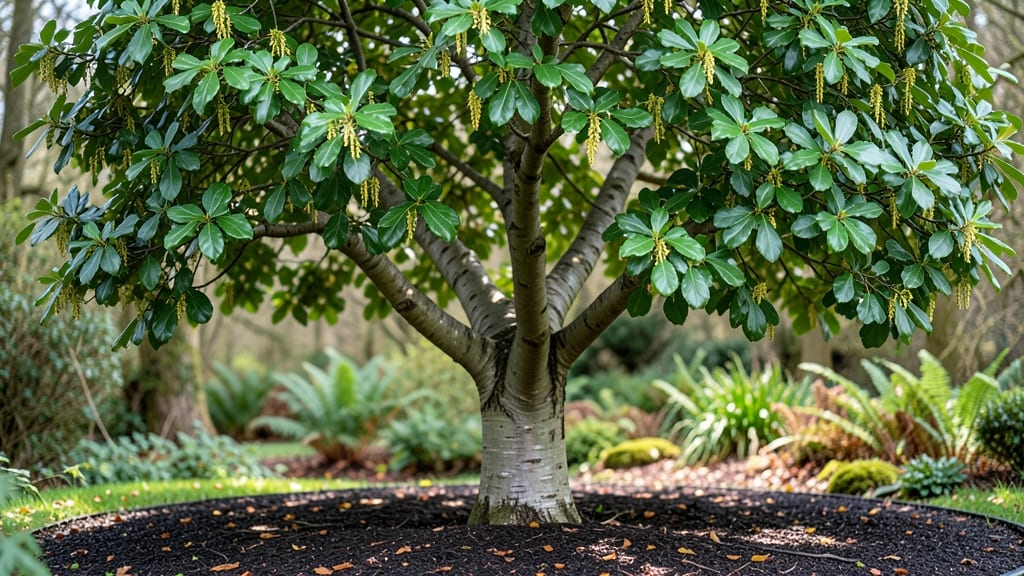
The right trees which give shade transform your backyard into a cool retreat from summer’s brutal sun—fast, and I’ve planted enough to know they turn a scorching patio into a comfortable oasis. 🌳 The key is matching leaf density, growth speed, and size to your space, whether you need quick relief or a long-term investment.
Fast growers like silver maples or willows provide shade in just 3-5 years, while slower but sturdy oaks or beeches take decades to reach their full canopy. Native species like eastern redbuds or serviceberries offer beauty too—think fragrant spring blooms or brilliant fall color—without the upkeep.
Plant them near patios, pool areas, or driveways for the best impact.
You’ll end up with a layered canopy that blocks 80-90% of sunlight by midday, keeping your outdoor space livable all afternoon. The right spacing (20-30 feet between trees) ensures roots don’t compete, while underplanting with shade-tolerant perennials like hostas or ferns adds texture and keeps the area functional.
Works for small urban yards or sprawling estates—just pick the right tree for your climate and patience level. Here’s how to choose the perfect sunblock for your space.
📚 In This Guide
- What you need
- Instructions
- Tips and common mistakes
- Wrapping up and next steps
What you need
- ● Shade trees: Choose from fast-growing options like Morus alba (White Mulberry), Ficus microcarpa (Ginseng Fig), or Platanus × acerifolia (London Plane). Quantities: 1–3 trees, depending on coverage needs.
- ● High-quality soil: Loamy, well-draining mix (pH 6.0–7.5). Amount: 2–3 cubic yards per tree.
- ● Organic mulch: Wood chips or shredded bark (3–4 inches thick) to retain moisture.
- ○ Tree supports (optional): Stakes or cages for young trees (if needed).
- ● Shovel & spade: For digging holes (1.5x wider than root ball).
- ● Wheelbarrow: For transporting soil/mulch.
- ● Pruners: Sharp, sterilized pair for trimming.
- ● Watering hose/nozzle: With adjustable spray for deep watering.
- ● Measuring tape: To ensure proper spacing (15–25 ft between trees).
- ● Gloves & knee pads: For comfort during planting.
- ● Sunlight assessment: Identify full-sun areas (6+ hours/day) for optimal growth.
- ● Local climate check: Verify hardiness zones (USDA Zones 5–10 for most shade trees).
- ● Permits (if applicable): Check local regulations for large trees near property lines.
- ● Water source: Reliable access for the first critical 3 months post-planting.
How to select and plant shade-giving trees for your yard
Protect your home from the sun’s harshest rays with these proven shade trees that thrive in most climates.
🌳 Step 1: Choose Fast-Growing, Dense-Canopy Trees
Start with trees known for rapid growth and thick foliage—like southern magnolias or silver maples—to block sunlight quickly. I always check the mature height (aim for 30-50 feet) and spread (25-40 feet) to ensure full coverage. Fast-growing options like willow oaks or green ash deliver shade within 5-10 years, while slower growers like live oaks take 15-20 years but provide century-long shade.
Look for trees labeled "deciduous" if you want seasonal sun—these drop leaves in winter, letting sunlight return. Evergreens like leucothoe or holly offer year-round shade but block light permanently. Match the tree’s needs to your yard’s sunlight: full sun for fast growers, partial shade for delicate varieties.
🪴 Step 2: Pick the Right Planting Spot
Measure your target area and plant the tree 10-15 feet away from structures (like houses or fences) to avoid root interference. Dig a hole twice as wide as the root ball but no deeper—this prevents soil compaction around roots. I always loosen the sides of the hole with a shovel to encourage root spread into surrounding soil.
Consider wind exposure—trees planted in open areas grow faster but may lean. For windy yards, choose wind-resistant species like southern red oaks or sycamores. Test the spot by placing the root ball in the hole: the top should sit 1-2 inches above ground level to prevent rot. If the hole is too deep, add a mound of native soil.
☀️ Step 3: Plant and Water for Immediate Stability
Remove the tree from its container and gently tease the roots apart if they’re circling. Place it in the hole, then backfill with native soil (not amended mix) to avoid nutrient imbalance. Press firmly around the edges to eliminate air pockets but avoid compacting the soil. A 3-inch layer of mulch (like pine straw or wood chips) keeps moisture in and weeds out—just keep it 6 inches away from the trunk to prevent rot.
Water deeply right after planting—10-15 gallons for small trees, 20+ gallons for large ones. Let the water soak in, then repeat every 2-3 days for the first month. You’ll know it’s enough when water drains 6-8 inches deep. Overwatering now can suffocate roots, so check soil moisture with your finger: it should feel damp 2 inches below the surface but not soggy.
🌿 Step 4: Prune and Protect for Long-Term Growth
Trim any broken branches immediately, but avoid heavy pruning in the first year—this stresses young trees. Focus on structural shaping in early spring: remove crossing branches or those growing inward to prevent future conflicts. Use clean, sharp pruners to make cuts just outside the branch collar (the swollen area where the branch meets the trunk).
Install a tree guard (like a wire cage or plastic wrap) if local wildlife (like deer or rabbits) browses young trees. Water once a week during dry spells, but reduce frequency as the tree establishes roots (usually 1-2 years). You’ll see new growth in spring, signaling the tree is settling in—this is your cue to ease up on watering.
⏰ Step 5: Monitor and Adjust for Seasonal Needs
Check the tree’s canopy spread annually—if branches lean heavily toward the sun, it’s time to rotate the tree’s position (gently loosen soil and shift slightly). In winter, mulch again to insulate roots, and in summer, water deeply every 10-14 days if rainfall is scarce. Watch for yellowing leaves (a sign of overwatering) or brown tips (underwatering or salt buildup).
After 3-5 years, the tree should cast full shade in its mature zone. If not, consider adding a second tree on the opposite side for balanced coverage. Patience is key—some trees take a decade to reach peak shade potential, but the payoff is decades of cool relief from the afternoon sun.
Tips & tricks for perfect shade canopy planting
These practical tips will help you maximize your shade trees' potential and avoid common pitfalls that can derail your project.
Tree Selection Strategy: When choosing between fast-growing varieties like willow oaks (5-10 years to full shade) and slower growers like live oaks (15-20 years), consider your timeline. For immediate relief, plant a combination of both—position the fast grower where you need shade now, and the live oak where you can wait for long-term benefits. I've found that southern magnolias strike a perfect balance, offering both rapid growth and stunning seasonal interest.
Soil Preparation Secret: Before planting, test your soil's drainage by digging a hole and filling it with water. If it drains completely within an hour, your soil is well-suited for most shade trees. For clay-heavy soil, amend with compost before planting to improve aeration. The key is mimicking the tree's natural growing conditions—most shade trees prefer slightly acidic, well-draining soil. This simple test prevents future waterlogging issues that can stunt growth.
Watering Wisdom: The first month is critical for root establishment, so don't skimp on water. Use a garden hose with a slow setting to deliver the full 10-15 gallons for small trees—this ensures water penetrates deeply. I recommend using a moisture meter to verify the water reaches 6-8 inches deep. A common mistake is watering too frequently with shallow applications, which encourages shallow root growth. Deep, infrequent watering builds strong roots that can support your tree's future canopy.
Pruning Practice: When shaping your tree in early spring, focus on removing branches that cross or grow inward—these create weak points and limit airflow. I always make cuts just outside the branch collar using clean pruners sterilized with rubbing alcohol. This technique promotes faster healing and reduces disease risk. Remember, you're sculpting the tree's future shape, so take your time with each cut to visualize how it will look at maturity.
Pro Tips for Trees Which Give Shade
- These practical tips will help you maximize your shade trees' potential and avoid common pitfalls that can derail your project.
- Tree Selection Strategy: When choosing between fast-growing varieties like willow oaks (5-10 years to full shade) and slower growers like live oaks (15-20 years), consider your timeline.
- Soil Preparation Secret: Before planting, test your soil's drainage by digging a hole and filling it with water.
Frequently asked questions
Got questions about shade trees?
You’re not alone! Here are some of the most common queries—and their answers—to help you pick the perfect sunblock canopy for your space.
What are the fastest-growing shade trees for quick relief from the sun?
If you need shade now, opt for fast growers like the Hybrid Poplar (3–5 ft/year) or Silver Maple (2–3 ft/year). For smaller spaces, Empress Tree or Weeping Willow deliver shade in 3–5 years. Just be mindful of root systems and mature size!
How long does it take for a shade tree to provide full coverage?
Most shade trees take 3–10 years to reach full maturity, depending on species and growing conditions. Fast growers (like Leyland Cypress) can offer partial shade in just 2–3 years, while slower growers (e.g., Oak) may take a decade. Plant in spring for the best start!
Are there shade trees that work well in small yards or urban spaces?
Try Dwarf Alberta Spruce (compact, evergreen) or Japanese Maple (ornamental + shade). For streets or tight spots, Crape Myrtle or Serviceberry thrive in urban environments. Just check mature width—some "small" trees still need 10+ feet of space!
Do shade trees help lower energy bills, and which types are best for cooling?
Yes! Deciduous trees (like Sycamore or Sweetgum) block summer sun while allowing winter light, cutting AC costs by up to 30%. Evergreens (e.g., Arborvitae) provide year-round shade but may block heat retention in winter. Plant on west/south sides of homes for max efficiency.
What if my shade tree isn’t growing well? Troubleshooting tips!
Check these fixes:
Poor soil? Amend with compost or mulch.
Not enough water? Deep water 1–2x/week (more in droughts).
Pests/disease? Inspect leaves for spots/chewing. Treat with neem oil or contact an arborist.
Wrong location? Some trees (e.g., Willows) need moist soil—relocate if needed.
Still struggling? Root issues (like girdling) may require pruning.
Wrapping up and next steps
Planting the right shade trees can transform your space into a cooler, more inviting oasis—naturally!
From fast-growing willows to elegant oaks, these trees offer relief from the sun while boosting curb appeal and even air quality. 🌳✨ Whether you’re a homeowner, landscaper, or eco-conscious gardener, now’s the perfect time to take action.
Ready to beat the heat? Start small: research local climate-friendly species, test soil conditions, and plant one tree this season. Your future self—and the planet—will thank you!