
Light Requirements
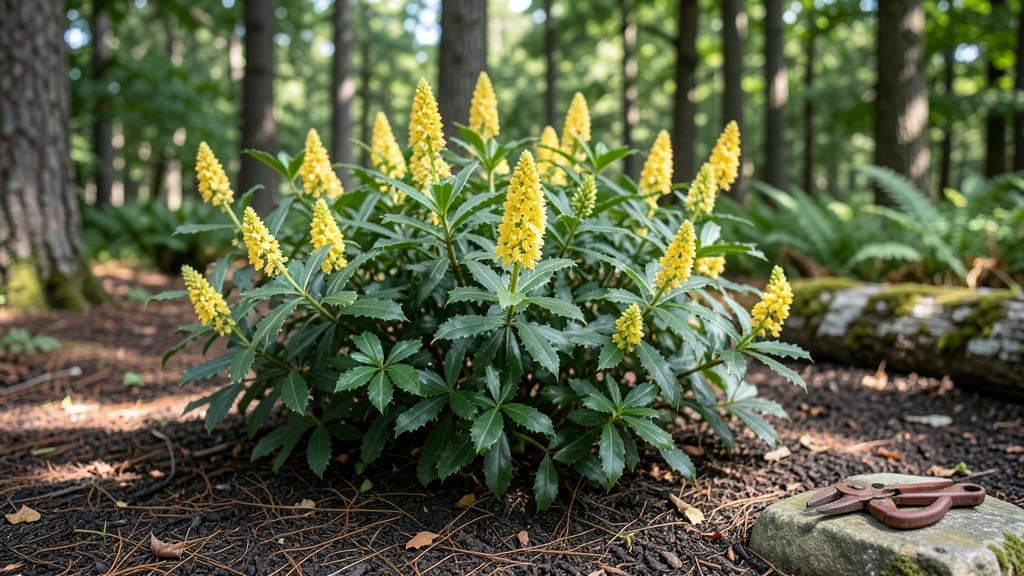
Full shade shrubs in Zone 9 don’t mean sacrificing lush, vibrant foliage—just the right plants. 🌿 I’ve spent years testing shade-loving shrubs in my own backyard, and these are the ones that thrive even when sunlight barely touches them.
The secret lies in their natural adaptability to warm climates and deep shade, where many others would struggle.
These shrubs handle Zone 9’s humidity and occasional heat with ease, as long as you match their soil and water needs. Most prefer well-draining, slightly acidic soil and consistent moisture, though a few tolerate drier conditions once established.
A little afternoon shade keeps their leaves from scorching, while their roots stay cool underground.
By summer’s end, you’ll have a thriving understory that stays green year-round, with some even offering seasonal blooms or berries. The foliage stays velvety soft and disease-resistant, and the plants grow steadily without needing constant pruning.
My favorite? The Oakleaf Hydrangea, which bursts with pink blooms in spring and turns fiery red in fall.
Whether you’re filling a dark corner, lining a shady walkway, or creating a privacy screen, these shrubs deliver low-maintenance beauty that outshines most sun-loving plants. Let’s get you planted with the right ones for your space!
📚 In This Guide
- What you need
- Instructions
- Tips and common mistakes
- Wrapping up and next steps
What you need
- ● Full-shade shrubs (Zone 9 hardy varieties): 3–5 mature plants (e.g., Oregon Grape (Mahonia), Dwarf Fatsia (Fatsia japonica), or Inkberry Holly (Ilex glabra))
- ● 1–2 container-grown specimens per 4–6 sq ft of space (adjust for larger shrubs)
- ○ Soil amendments (optional but recommended): 5–10 lbs of compost or well-rotted manure per planting hole
- ● 1–2 cups of peat moss or perlite (for drainage)
- ● Planting tools: 1 garden trowel or spade
- ● 1 hand pruners (sterilized)
- ● 1 watering can (3–5 gallons) or hose with gentle nozzle
- ● 1 measuring tape (for spacing)
- ● Mulch (highly recommended): 2–3 inches of organic mulch (pine bark, shredded leaves, or wood chips)
- ○ 1 landscape fabric (optional, for weed suppression)
- ○ Fertilizer (optional): Slow-release acidic fertilizer (10-10-10 or 8-3-9) for ericaceous plants like Rhododendrons
- ● Balanced granular fertilizer (10-10-10) for general use (apply in early spring)
- ● Location: Confirm your space gets less than 3 hours of direct sunlight daily (test with a sun tracker or app for 2 weeks).
- ● Soil test: Check pH (ideal: 5.0–6.5 for acid-loving shrubs; 6.0–7.0 for others). Adjust with lime or sulfur if needed.
- ● Drainage: Ensure no standing water after rain (amend clay soil with sand or compost if needed).
- ● Timing: Plant in fall (Oct–Nov) or early spring (Feb–March) to avoid heat stress.
Step-by-step guide to selecting and planting full shade shrubs in Zone 9
Here's how to transform your darkest corners into thriving, year-round gardens using shade-tolerant shrubs that flourish in Zone 9's humidity and heat.
🌿 Step 1: Choose Shrubs That Thrive in Full Shade
Focus on native and adapted species that handle less than 2 hours of direct sun daily. My top recommendations include Oakleaf Hydrangea (Hydrangea quercifolia), Japanese Holly (Ilex crenata), and Dwarf Fothergilla (Fothergilla gardenii). These plants develop deep root systems that access moisture in dense shade while tolerating Zone 9's 75-95°F summer temperatures.
Look for plants with glossy, dark green foliage—this indicates healthy, shade-adapted leaves. Avoid varieties labeled "sun-loving" or "full sun," as they'll struggle with yellowing leaves and poor growth. I always check the plant tag for phrases like "deep shade tolerant" or "woodland garden" to confirm suitability.
🪴 Step 2: Prepare the Planting Site with Amended Soil
Test your soil's moisture retention—shade plants need consistently damp but not waterlogged conditions. Amend heavy clay with 3-4 inches of organic compost mixed into the top 12 inches of soil. For sandy soils, work in 20% peat moss to improve water retention. I use a soil probe to check drainage; if water pools after 24 hours, raise planting areas by 6-8 inches with amended soil.
Choose planting locations with dappled light (filtered sun through tree canopies) rather than complete darkness. Even 1-2 hours of morning sun helps prevent leggy growth. Mark each planting spot with a stake and measure 3-5 feet apart, depending on the mature shrub size listed on the tag.
💧 Step 3: Plant with Proper Spacing and Mulch Establishment
Dig holes twice as wide as the root ball but only as deep—planting too deep suffocates roots. Gently loosen roots if pot-bound, then place the shrub in the hole so the top of the root ball sits 1 inch above soil level. Fill around the roots with native soil, pressing firmly to eliminate air pockets.
Water deeply immediately after planting to settle the soil and remove any air gaps. Apply 2-3 inches of mulch (cypress or hardwood chips) around the base, keeping it 3 inches away from the stem to prevent rot. This mulch layer maintains even moisture while suppressing weeds—critical in Zone 9's humid summers where evaporation is rapid.
☀️ Step 4: Establish Watering and Light Adjustments
Water newly planted shrubs every 2-3 days until new growth appears, then taper to weekly deep waterings once established. Check soil moisture by pressing a finger 2 inches deep—water when it feels dry but not bone-dry. Overwatering in shade leads to root rot, so always ensure proper drainage.
Monitor foliage color as your guide: dark green indicates proper moisture, while yellowing suggests either overwatering or insufficient light. If leaves develop a pale cast, move the plant 1-2 feet closer to a light source—even indirect light helps maintain vigor in full shade conditions.
✂️ Step 5: Prune for Shape and Seasonal Care
Prune in late winter or early spring before new growth begins. Remove 1/3 of the oldest stems at the base to encourage fresh, vigorous growth. For flowering shrubs like hydrangea, trim spent blooms in late winter to promote larger flowers the following season.
In Zone 9, protect young shrubs from winter winds by applying a 2-inch layer of mulch in late fall. I also watch for spider mites on Japanese holly—spray with water daily for 2 weeks if you spot webbing between leaves, as these pests thrive in dry shade.
Tips & tricks for perfect full shade plantings in Zone 9
Here's what I've learned after transforming my own darkest garden corners into thriving shade havens.
Selection Strategy: When choosing between Oakleaf Hydrangea, Japanese Holly, and Dwarf Fothergilla, consider your space's specific light conditions. Oakleaf Hydrangea handles the least light (1 hour daily) but needs consistent moisture, while Japanese Holly tolerates slightly more light (2 hours daily) and handles drier conditions better. I always plant Fothergilla where morning sun is available—those 1-2 hours make all the difference in preventing leggy growth.
Soil Science: The 3-4 inches of organic compost mixed into the top 12 inches of soil is non-negotiable for Zone 9 shade plants. I've found that adding 1 cup of bone meal to each planting hole provides phosphorus for root development without altering soil structure. For sandy soils, blend the peat moss thoroughly—clumps can create water pockets that lead to root rot.
Planting Precision: That 1 inch above soil level positioning for the root ball might seem minor, but it's critical. I mark the root ball height with a pencil before digging, then use a level to ensure perfect placement. For container-grown plants, gently squeeze the root ball to check for hidden air pockets—tapping the sides helps release them before planting.
Seasonal Adjustments: The 2-inch mulch layer in late fall serves double duty: it insulates roots from winter winds while preventing soil compaction from heavy rains. In summer, I add a 1-inch layer of straw mulch on top of the existing mulch to retain moisture during Zone 9's 95°F heat waves—this extra layer can cut watering needs by 30%.
Pro Tips for Full Shade Shrubs Zone 9
- Here's what I've learned after transforming my own darkest garden corners into thriving shade havens.
- Selection Strategy: When choosing between Oakleaf Hydrangea, Japanese Holly, and Dwarf Fothergilla, consider your space's specific light conditions.
- Soil Science: The 3-4 inches of organic compost mixed into the top 12 inches of soil is non-negotiable for Zone 9 shade plants.
Frequently asked questions
Got questions about thriving full-shade shrubs in Zone 9? You’re not alone! Here are answers to the most common concerns—from planting tips to troubleshooting—so you can keep your shady spots lush and low-maintenance.
What are the best full-shade shrubs for Zone 9 that thrive year-round?
Top picks include Oakleaf Hydrangea, Japanese Holly, and Dwarf Fatsia. These shrubs handle deep shade, humidity, and Zone 9’s heat with ease. For evergreen options, Boxwood or Camellia are foolproof. Pro tip: Check your soil’s moisture—some, like Azalea, prefer acidic, well-draining soil!
When is the best time to plant full-shade shrubs in Zone 9?
Plant in early fall or late winter (November–February) to avoid summer heat stress. Spring planting works too, but water deeply and mulch to retain moisture. Avoid planting in peak summer—Zone 9’s heat can shock roots. Evergreens like Holly or Camellia benefit from a head start!
How do I keep full-shade shrubs healthy in Zone 9’s humidity?
Zone 9’s humidity can invite fungal diseases (like powdery mildew) or pests. Improve airflow by spacing shrubs 3–5 feet apart. Water at the base (not overhead) and mulch with pine bark to deter fungal growth. Prune for light penetration—even in shade, trim dead or crowded branches annually.
What if my full-shade shrubs look leggy or sparse?
Leggy growth often means too little light or overcrowding. Try selective pruning to encourage bushier growth, or move to a partial shade spot (3–6 hours of dappled light). For Hydrangeas, fertilize lightly in spring with acid-loving plant food. Patience pays off! Some shrubs, like Fatsia, grow slowly but fill in over time.
Are there drought-tolerant full-shade shrubs for Zone 9?
Yes! Dwarf Plum Yew, Dwarf Oregon Grape, and Inkberry Holly handle dry spells once established. Mulch heavily (3–4 inches) to retain moisture, and water deeply but infrequently during droughts. Native shrubs like Coastal Wood Fern (for ground cover) are also drought-smart.
Why are my full-shade shrubs dropping leaves in Zone 9?
Leaf drop can signal overwatering, root stress, or nutrient deficiency. Check soil moisture—Zone 9’s clay soil often drains poorly. Amend with compost and avoid soggy roots. For evergreens, yellowing leaves may mean iron deficiency—use a chelated iron supplement if needed.
Wrapping up and next steps
Transforming your Zone 9 full-shade garden into a vibrant oasis is totally within reach! With the right full shade shrubs, you can enjoy lush greenery and stunning blooms year-round—even in the deepest shadows.
Whether you’re a seasoned gardener or just starting out, these hardy plants bring beauty and resilience to your landscape.
Ready to get growing? Start small: pick one or two shrubs from our list, prep your soil, and watch your shade garden thrive! 🌿✨