
Shrubs
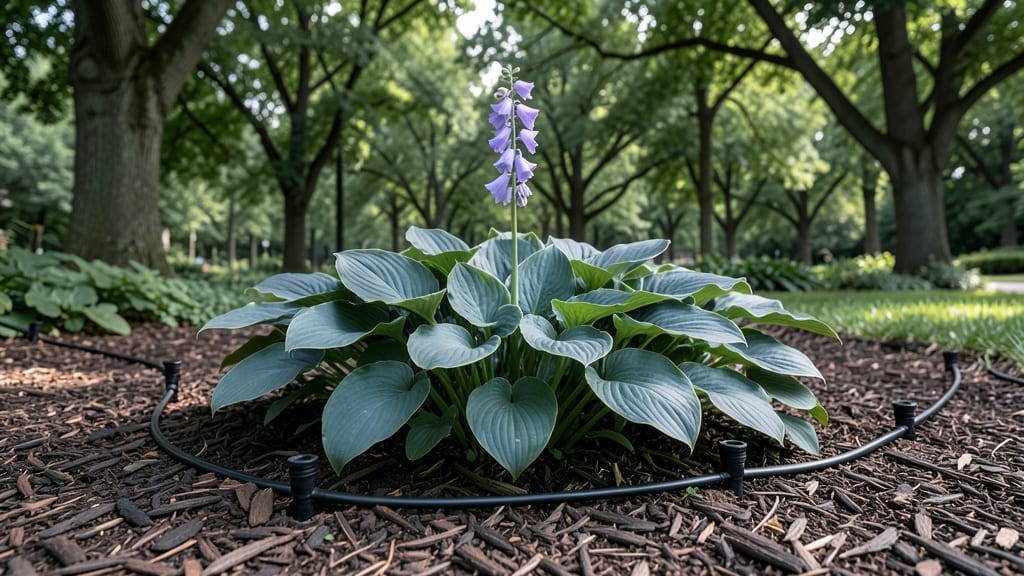
Summer shade can sustain shrubs for weeks to months, but their survival depends heavily on species and light exposure. Most shrubs perform best with 3–6 hours of filtered sunlight daily, while hardy varieties like boxwood or holly tolerate deeper shade longer. Sun-dependent shrubs (e.g., butterfly bush) may show stress after just 2–4 weeks without adequate light.
Summer shade doesn't mean instant death for your shrubs—it's all about how they adapt. 🌿 Evergreens like boxwood or holly can handle prolonged shade better than deciduous varieties, thanks to their waxy leaves that conserve moisture.
However, even shade-tolerant shrubs will struggle if humidity spikes without airflow, leading to fungal issues. For sun-loving plants, supplementing with artificial grow lights or reflective surfaces can extend their survival time significantly.
Think of it like a trade-off: while some shrubs can brave weeks in the shade, their growth rate and flowering may take a hit if light levels drop too low.
Pro tip: Monitor soil moisture closely during summer shade—roots can't photosynthesize efficiently, making them more vulnerable to drought stress. A simple soil probe test can reveal if your shrubs need extra watering, especially in deep shade where evaporation slows down. 💧
💡 In This Article
- How Summer Shade Affects Shrub Growth and Health
- Best Shade-Tolerant Shrubs for Summer Gardens
How summer shade affects shrub growth and health
Summer shade triggers a cascade of physiological changes in shrubs, primarily slowing down photosynthesis—the process that converts sunlight into energy. When light drops below 30% of full sun, chlorophyll production decreases, causing leaves to lose their vibrant green hue and become pale or yellowish.
This is especially noticeable in broadleaf evergreens like rhododendrons, where reduced chlorophyll means less energy for growth and repair. 🌿 The impact varies by species: deciduous shrubs (e.g., viburnum) may drop leaves faster than needleleaf varieties (e.g., junipers), which have evolved to conserve moisture in low-light conditions.
Root systems also suffer under prolonged shade. Without adequate light, shrubs can't produce enough glucose, forcing them to rely on stored energy in roots and stems. This creates a feedback loop—roots weaken, making the plant more susceptible to drought stress, even if soil moisture appears sufficient.
In humid summer conditions, shade can exacerbate issues by trapping moisture against leaves, creating ideal conditions for fungal diseases like powdery mildew. Evergreens, with their year-round foliage, are particularly vulnerable because they can't "rest" like deciduous plants during winter.
Humidity plays a critical role in shade survival. While shade reduces water loss through transpiration, the combination of high humidity and low light can lead to "shade burn"—a condition where leaves develop brown, crispy edges due to cellular damage.
This is most common in broadleaf shrubs like azaleas, where thick foliage blocks airflow. Needleleaf shrubs (e.g., arborvitae) handle this better because their structure allows better air circulation. 💧 To mitigate this, prune shrubs to improve airflow or use shade cloth with 30-50% light filtration to balance protection and photosynthesis.
Not all shrubs react the same way to summer shade. Deciduous varieties often enter a semi-dormant state, shedding leaves to conserve energy, while evergreens continue photosynthesizing at reduced rates. This explains why holly can survive months in shade while butterfly bush (a sun-lover) shows stress after just 2-3 weeks.
The key difference lies in their leaf structure: evergreens have thicker cuticles and smaller surface areas to minimize water loss, while sun-lovers have larger leaves optimized for light absorption.
Soil moisture becomes a critical factor. In deep shade, soil stays cooler and retains moisture longer, but roots may still struggle to access nutrients without sufficient energy. A simple test: press your finger 1-2 inches into the soil—if it feels dry, your shrub needs water, even in shade.
Overwatering is just as dangerous, as saturated roots can't absorb oxygen efficiently. Mulching with 2-3 inches of organic matter helps regulate soil temperature and moisture while suppressing weeds that compete for resources.
What most gardeners overlook is how shade affects flowering. Many shrubs (e.g., hydrangeas, pieris) produce blooms in response to light exposure. In prolonged shade, they may skip flowering entirely or produce smaller, less vibrant flowers.
This isn't permanent damage—once light conditions improve, many shrubs rebound quickly. However, chronic shade can weaken the plant's overall vigor, making it more susceptible to pests and diseases. 🌱
For a quick visual check, examine the underside of leaves—if they're pale or yellow, your shrub is light-starved. Combine this with a simple growth rate observation: healthy shrubs grow 6-12 inches per year; slower growth signals inadequate light.
Supplementing with a reflective surface (like white paint on a nearby fence) can increase light exposure by up to 20% without direct sun.