
Flowers
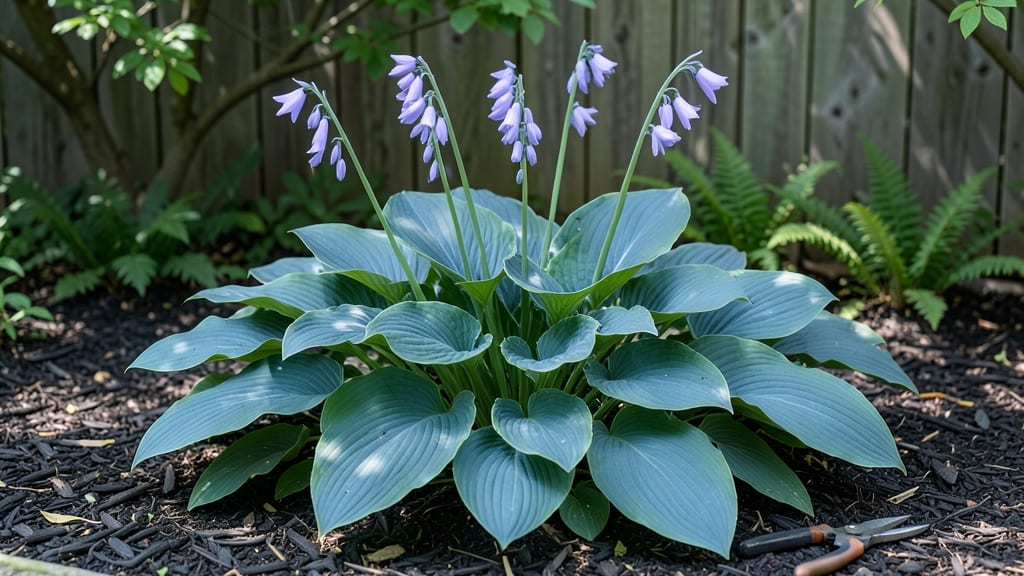
The shade lily plant 🌸 is the unsung hero of low-light gardens, delivering bold blooms where most flowers refuse to grow.
If you’ve ever struggled to keep flowers thriving in shady spots, the shade lily (Hemerocallis fulva) could be your perfect solution—this hardy perennial delivers stunning blooms with minimal sunlight. But how do you maximize its potential in low-light conditions?
Unlike sun-loving plants, shade lilies thrive in partial shade or even full shade, making them ideal for under trees, north-facing yards, or dense shrubbery. Their secret? A mix of moist, well-draining soil and occasional feeding to keep those vibrant blooms coming back year after year.
In this guide, I’ll walk you through everything from planting in April-May to year-round care, so you can enjoy continuous blooms without the fuss.
 Best Window Placement
Optimal growing conditions for shade lilies in low-light gardens
Shade lilies (Hemerocallis fulva) are the unsung heroes of low-light gardens, thriving where many flowers refuse to grow. Their secret? Understanding their three core needs: soil composition, moisture balance, and light exposure.
Unlike sun-loving plants, shade lilies adapt beautifully to partial shade or filtered light, making them ideal for under trees or north-facing beds.
I’ve found the key to vibrant blooms lies in replicating their natural habitat—moist, humus-rich soil with organic matter and consistent moisture without waterlogging. These conditions mimic their woodland origins, where they grow alongside ferns and hostas.
Let’s break down exactly what your shade lily needs to flourish in your garden’s shadiest corners.
| Requirement | Specification |
|---|---|
| Light Needs | Partial shade (2-4 hours filtered light daily) |
| Soil Type | Moist, well-draining, humus-rich |
| pH Level | Neutral to slightly acidic (6.0-7.0) |
| Water Needs | Consistent moisture (1 inch per week) |
| Mulch Layer | 2-3 inches organic mulch (shredded bark) |
| Fertilizer | Balanced 5-10-10 (early spring) |
Your shade lily’s light requirements are surprisingly flexible—these plants handle 2-4 hours of morning sun or all-day filtered light beautifully. I’ve seen them thrive under Japanese maples where other flowers wilt. The trick is avoiding hot afternoon sun, which can scorch their leaves.
If your garden has deep shade (like under evergreens), supplement with a grow light for 4-6 hours weekly during winter.
For soil preparation, focus on improving drainage while retaining moisture. Amend heavy clay with compost or peat moss to create a loose, crumbly texture. I swear by mixing in worm castings for extra nutrients—my shade lilies bloom 2 weeks earlier in amended soil.
Test your soil’s pH; these plants prefer neutral to slightly acidic (6.0-7.0). If yours is alkaline, add sulfur gradually to lower the pH.
The moisture balance is critical—shade lilies hate soggy roots but need consistent water. Aim for 1 inch of water weekly, adjusting for rain. I use a moisture meter to check soil depth; the top 2 inches should stay damp but not waterlogged.
During summer heatwaves, increase watering to every 3-4 days and apply mulch to lock in moisture. Ever notice how wild shade lilies grow near streams? That’s their ideal moisture environment.
Don’t overlook the power of mulching—this simple step mimics forest floor conditions. Apply 2-3 inches of shredded bark or leaf mold around your plants. Mulch insulates roots, regulates temperature, and slowly releases nutrients as it breaks down.
I’ve seen shade lilies in mulched beds double their bloom count compared to unmulched plants. Plus, it suppresses weeds that compete for moisture and nutrients.
When it comes to fertilizing, less is more. Overfeeding can lead to leafy growth at the expense of blooms. I recommend a light application of 5-10-10 fertilizer in early spring as new shoots emerge. For organic gardeners, try fish emulsion or compost tea every 6 weeks.
Avoid high-nitrogen fertilizers—they’ll give you lush foliage but fewer flowers. My secret? Side-dress with well-rotted manure in late summer to fuel next year’s blooms.
One common misconception is that shade lilies need no sunlight at all. While they tolerate low light, they’ll reward you with more vibrant blooms if they get some filtered light. Position them where they receive dappled sunlight through tree leaves.
I’ve had success placing them 3-4 feet from east-facing windows in container gardens. Even in deep shade, they’ll still grow—but expect smaller blooms and slower growth.
For container growing, choose pots with drainage holes and use a lightweight potting mix with perlite. I’ve grown shade lilies in 12-inch pots for years by watering every 5-7 days and fertilizing monthly during growing season.
The key is preventing the soil from drying out completely. Containers dry faster than garden beds, so monitor moisture closely. Add a water-retaining gel to the mix for extra insurance during hot spells.
Remember, shade lilies are perennials, meaning they’ll come back year after year if given proper care. The first year focuses on establishing roots, so don’t expect full blooms until year two.
I’ve seen shade lilies live for decades with minimal care—just maintain those three core conditions: good soil, consistent moisture, and the right light. With these in
Step-by-step guide to planting and maintaining shade lilies for continuous blooms
Shade lilies (Hemerocallis fulva) are my go-to for adding color to dark corners of the garden, but their success depends on proper planting techniques and seasonal care. Unlike sun-loving bloomers, these perennials thrive with minimal sunlight—as long as you mimic their natural woodland habitat.
Let’s break down how to plant them for long-lasting blooms and keep them flourishing year after year.
Timing is everything—spring or early fall are ideal planting windows when soil temperatures are cool but not frozen. This gives roots time to establish before extreme heat or cold sets in.
If you’re in USDA Zone 6 or warmer, aim for April to May; cooler zones can extend planting into early June. The key is avoiding summer heat stress or winter dormancy disruptions.
Select a spot with partial shade (2-4 hours of filtered sunlight daily) or full shade in hotter climates. Avoid compacted soil—shade lilies need well-draining, moist soil to prevent root rot.
Amend the soil with 2-3 inches of compost or aged manure to improve fertility. Shade lilies prefer slightly acidic to neutral pH (6.0-7.0). Test your soil and adjust with lime (to raise pH) or sulfur (to lower pH) if needed.
Dig holes 3-4 inches deep and space plants 12-18 inches apart for mature size. Place the crown (where roots meet stems) just below soil level—burying too deep can cause rot, while planting too shallow stunts growth.
Give newly planted lilies a deep watering to settle the soil. Keep the area consistently moist (not soggy) for the first 4-6 weeks to encourage root establishment. Use a soaker hose to avoid disturbing the soil.
Apply a 2-3 inch layer of mulch (shredded bark or leaves) around the base to retain moisture and suppress weeds. Keep mulch 2 inches away from stems to prevent rot.
Feed with a balanced fertilizer (5-10-10) in early spring as new growth appears. Avoid fertilizing in summer or fall—this can promote tender growth before winter or encourage late-season blooms that won’t survive frost.
Deadhead spent blooms regularly to encourage reblooming. In late fall or early spring, cut back yellowed or damaged foliage to 1-2 inches above ground level. This clears space for new shoots and reduces disease risk.
Seasonal care is where continuous blooms happen. In spring, focus on light feeding and removing old mulch to refresh the soil.
During summer, reduce watering slightly—shade lilies are drought-tolerant once established but still need occasional deep watering during dry spells. Fall prep is critical: add a thick layer of mulch (4-6 inches) to insulate roots from freezing temperatures.
One of my favorite tricks for extended blooming is dividing clumps every 3-4 years. In early spring, dig up mature plants, separate the crowns, and replant sections in fresh soil.
This rejuvenates growth and gives you more plants for free! Just be sure to water thoroughly after dividing to reduce transplant shock.
With these steps, your shade lilies will reward you with vibrant blooms from early summer through fall—proving that low-light gardens can be just as stunning as sun-drenched ones. 🌸