
Companion Plants
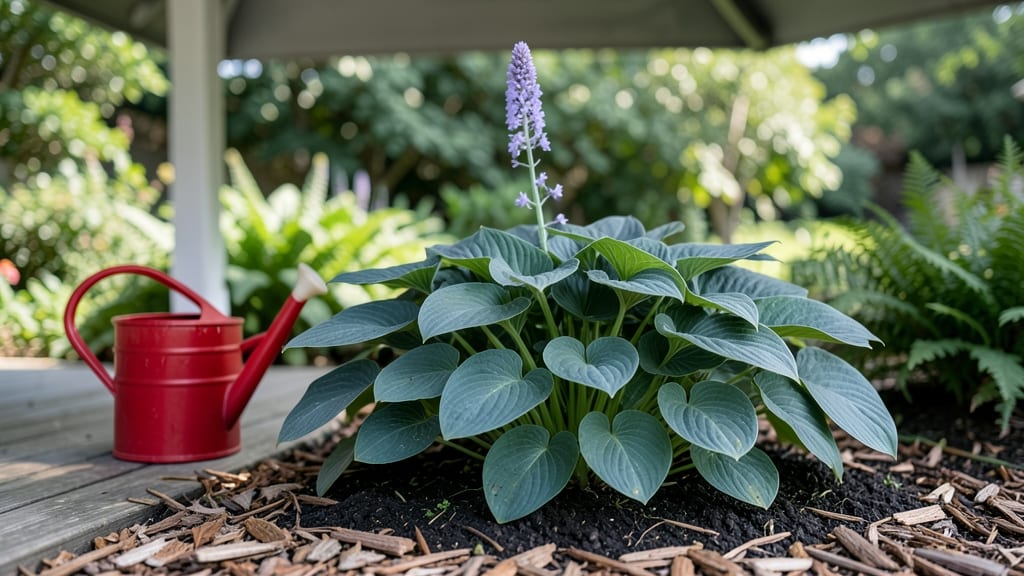
Shade-tolerant potting plants turn dim corners into lush green havens—no sun required. 🌿 I’ve filled my north-facing windowsill with plants that thrive where others wither, and the secret isn’t complicated: the right plants, the right soil, and a little light management.
My ferns and calatheas now grow so vigorously they’ve become the envy of neighbors who swear their plants need sunlight.
You’ll need three things: shade-loving plants (think ferns, impatiens, or snake plants), well-draining potting mix, and pots with drainage holes. The soil must breathe—too much moisture is the silent killer of potted plants in low light.
I use a mix of peat, perlite, and compost to keep roots happy, and I never skimp on drainage. A simple watering schedule (when the top inch feels dry) prevents root rot, the biggest threat to these plants.
By summer’s end, your pots will be packed with glossy leaves and occasional blooms, all without a single ray of direct sunlight. The air in the room feels fresher, the space feels alive, and you’ll finally have plants that don’t demand a sunny window.
Even my black thumb can’t kill these—once you pick the right varieties, they’re nearly foolproof.
Works for apartments, offices, or shaded patios—anywhere with indirect light. The key is choosing plants that match your light levels and sticking to a consistent care routine. No fuss, just thriving greenery where you need it most.
📚 In This Guide
- What you need
- Instructions
- Tips and common mistakes
- Wrapping up and next steps
What you need
- ● Shade-tolerant potting plants: 3–5 plants (e.g., Pothos, Snake Plant, ZZ Plant, Cast Iron Plant, or Calathea). Choose based on your space and light conditions!
- ● Containers: 2–4 pots with drainage holes (6–12 inches in diameter). Terracotta or ceramic works best for moisture control.
- ● High-quality potting mix: 1–2 bags of well-draining, peat-based or coco-coir mix (avoid garden soil—it compacts and suffocates roots!).
- ● Drainage medium: Small gravel, perlite, or pumice (1 cup per pot) to improve aeration.
- ● Watering can or spray bottle: A gentle spray helps avoid overwatering in shade.
- ● Fertilizer: Slow-release granular fertilizer (e.g., Osmocote) or liquid fertilizer (diluted to half-strength) for shade plants.
- ● Pruning shears: Small, sharp pair for trimming dead leaves or leggy growth.
- ● Decorative pebbles or moss: For a polished, natural look on top of soil.
- ● Plant labels: To track varieties (especially if you have a collection!).
- ● Grow lights (LED or fluorescent): If your space is very dim, supplement with 4–6 hours of indirect light weekly.
- ● Humidity tray: A shallow tray with pebbles and water to boost moisture for tropical shade plants.
- ● Plant saucers: To catch excess water and protect surfaces.
Step-by-step guide for potting shade-tolerant plants
Let’s bring life to those dim corners with plants that thrive where others fail.
🪴 Step 1: Choose the Right Containers
Pick pots with drainage holes—shade plants still need airflow to prevent soggy roots. I recommend 6-8 inch pots for small plants like ferns or pothos, and 10-12 inch pots for larger varieties like calatheas or snake plants. Terra cotta works best because it breathes, but plastic holds moisture longer if your space stays consistently damp.
Place a layer of pebbles or broken pottery at the bottom of each pot to improve drainage. This prevents water from pooling at the roots, which is especially critical for shade plants that can’t dry out quickly. If your pots are heavy, use saucers to catch runoff—just empty them after watering to avoid root rot.
🌱 Step 2: Select and Prepare the Soil
Shade plants need well-draining, moisture-retentive soil—think of it as a sponge that holds water but doesn’t drown roots. Mix 2 parts potting soil with 1 part perlite or orchid bark for better aeration. I like to add a handful of compost to give plants a gentle nutrient boost without overwhelming them.
Fill the pot ¾ full with your mix, leaving room at the top for the plant. Gently press the soil down to remove air pockets, but don’t compact it too tightly—roots need space to spread. If your soil feels like dry sand, add a splash of water to settle it before planting.
🌿 Step 3: Plant Your Shade-Loving Greenery
Dig a hole twice as wide as the root ball but only as deep as the plant’s container. Slide the plant out carefully, loosen any circling roots, and place it in the hole so the top of the root ball sits ½ inch below the pot’s rim. This prevents soil from washing away when you water.
Fill the hole with soil, pressing lightly around the roots to eliminate gaps. Don’t bury the plant too deep—most shade plants prefer to sit slightly above soil level. Water gently right after planting to help the soil settle and remove air pockets.
💧 Step 4: Water and Maintain Proper Moisture
Shade plants like their soil evenly moist but not soggy. Water when the top inch of soil feels dry to the touch—stick your finger in to check. Overwatering is the biggest mistake with shade plants, so I water deeply but less frequently. A self-watering pot can help if you tend to forget.
Mist the leaves occasionally if your home is very dry, especially for tropical varieties like ferns or peace lilies. Avoid wetting the leaves of plants like snake plants or ZZ plants—they prefer drier air. Grouping pots together creates a microclimate that retains humidity naturally.
☀️ Step 5: Position for Indirect Light
Most shade plants thrive in bright, indirect light—think near a north-facing window or a few feet from an east or west window. Avoid deep shadows where plants stretch weakly. If your space is truly dark, supplement with a grow light for 12-14 hours daily to keep foliage vibrant.
Rotate pots a quarter turn weekly so plants grow evenly toward the light. You’ll notice leaves leaning toward the window? That’s your cue to move the pot or adjust the light source. Shade plants are forgiving, but they’ll let you know when they’re not happy with leggy growth or yellowing leaves.
Tips & tricks for perfect shade-tolerant plant arrangements
Common pitfalls—and how to sidestep every one when bringing greenery to life in low-light spaces.
Container Selection: Terra cotta pots are my top recommendation for shade plants because they wick away excess moisture, preventing root rot that's common in low-light environments. For plants like pothos or snake plants, I actually use plastic pots with drainage holes—they retain moisture better in dimmer spaces where evaporation is slower. Just remember to empty saucers after watering to avoid stagnant water.
Soil Mix Matters: The 2:1 ratio of potting soil to perlite/orchid bark is perfect for shade plants, but here's what I learned the hard way: don't skip the compost. I once grew a fern without it, and while it survived, the leaves were pale and sparse. That handful of compost makes all the difference by providing gentle nutrition without overwhelming the plant's delicate root system in low-light conditions.
Planting Depth: That ½-inch below the rim guideline is critical for shade plants because they're more sensitive to water runoff. When planting, I like to make a small well around the root ball to ensure water pools there first rather than running off the sides. This mimics their natural habitat where moisture retention is key, especially in darker corners where plants grow more slowly.
Light Supplement Strategy: If your space is truly dark, that 12-14 hour grow light recommendation works wonders—but here's the pro move: use a timer. I set mine for 12 hours on, 12 hours off to mimic natural day-night cycles. This prevents the plants from getting "confused" about when to grow, which can lead to leggy, weak stems that flop over in their pots.
Pro Tips for Shade Potting Plants
- Common pitfalls—and how to sidestep every one when bringing greenery to life in low-light spaces.
- Container Selection: Terra cotta pots are my top recommendation for shade plants because they wick away excess moisture, preventing root rot that's common in low-light environments.
- Soil Mix Matters: The 2:1 ratio of potting soil to perlite/orchid bark is perfect for shade plants, but here's what I learned the hard way: don't skip the compost.
Frequently asked questions
about shade-tolerant potting plants—because every gardener has those aha! moments (or panicked "why isn’t this working?!" ones). Here’s your quick guide to the most common queries!What are the easiest shade-tolerant plants for beginners?
Start with peperomia, pothos, or snake plants—they’re nearly indestructible! For extra drama, try cast iron plants or ZZ plants. All thrive in low light with minimal fuss. Pro tip: Rotate pots occasionally for even growth!
How long does it take for shade plants to adjust to potting?
Most shade-loving plants adapt within 2–4 weeks if given consistent moisture (but not soggy soil). Watch for yellowing leaves—this often signals overwatering, not poor light. Give them patience; slow and steady wins the green race!
Can I use regular potting soil for shade plants?
Yes! But amend it with perlite or orchid bark to improve drainage (shade plants hate wet feet). For extra nutrients, mix in a slow-release fertilizer like osmocote at planting. Troubleshoot: If soil stays clumpy, break it up—roots need air too!
Do shade plants need less water than sun-lovers?
Generally, yes—they dry out slower. Stick your finger 1 inch into the soil; water only when it’s dry. Overwatering is the #1 killer of shade plants. Hack: Use a moisture meter for foolproof timing!
What if my shade plant starts looking leggy or sparse?
Leggy growth? It’s crying for light (or nutrients). Move it closer to a window—even north-facing works! Trim back leggy stems to encourage bushiness, and fertilize lightly with a balanced 10-10-10 mix. Fix: Rotate the pot weekly for even exposure!
Still stumped? Drop your plant’s name in the comments—we’ll diagnose it faster than a botanist with a magnifying glass!
Wrapping up and next steps
Shade-tolerant potting plants are your secret weapon for turning gloomy corners into lush, vibrant spaces—without the fuss! 🌿 From low-maintenance ferns to bold calatheas, these plants prove that even the darkest spots can thrive with the right care.
Whether you’re a green thumb or just starting, your perfect shade-friendly plant is waiting to brighten up your home.
Ready to transform your space? Start small: Pick one plant from this guide, grab your supplies, and dive in! Before you know it, your shady nooks will be bursting with life—and you’ll be the proud gardener behind it all. Happy planting! 🌱