
Flowers
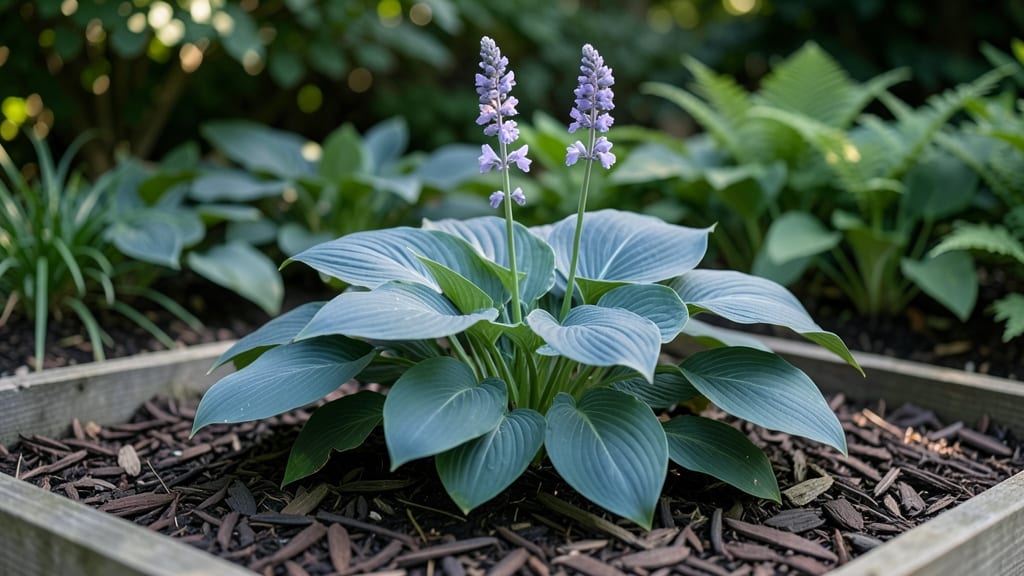
Shade-tolerant flowers bring life to the darkest corners of your garden. 🌿 I used to think my shady spots were hopeless—until I discovered these vibrant bloomers that thrive where sunlight barely touches.
The right shade-loving flowers can transform a gloomy area into a lush, colorful retreat that feels like a secret garden.
These plants don’t just survive in low light—they flourish, offering bold colors from deep purples to sunny yellows. Think impatiens for cascading blooms, astilbes for feathery plumes, or hellebores for early spring flowers.
They’re perfect for borders, containers, or understory plantings where sunlight is scarce. The key is matching their light needs (partial to full shade) with the right soil and watering routine.
With the right choices, you’ll create a garden that stays vibrant all season long. Imagine hostas paired with ferns and shade-loving flowers—it’s like a living painting that never fades. These plants are low-maintenance once established, so you spend less time fussing and more time enjoying your garden’s quiet beauty.
Whether you’re working with a north-facing yard, a dense tree canopy, or a shady patio, these flowers will bring color and life to your space. Let’s turn those dark corners into a thriving, picturesque retreat that feels like a breath of fresh air in any garden.
📚 In This Guide
- What you need
- Instructions
- Tips and common mistakes
- Wrapping up and next steps
What you need
- ● Shade-tolerant flower seeds or plants: 5–10 Impatiens (annuals, thrive in deep shade)
- ● 3–5 Hosta (perennial, lush foliage + blooms)
- ● 2–3 Astilbe (feathery plumes, loves shade)
- ● 1–2 Bleeding Heart (Dicentra) (elegant, heart-shaped flowers)
- ● 3–5 Ferns (e.g., Matteuccia struthiopteris, for texture)
- ● Well-draining potting mix: 2–3 bags (1–2 cubic feet each) of peat-based or compost-enriched soil (avoid heavy clay).
- ● Containers or garden beds: 1–2 large pots (12–18" diameter) for annuals
- ● 1–2 raised beds or in-ground plots (3'x3' minimum) for perennials
- ● Organic mulch: 1 bag of pine bark or shredded leaves (2–3 inches thick) to retain moisture.
- ● Watering can or hose with a gentle spray nozzle: For even hydration without disturbing roots.
- ● Gloves and knee pads: To protect your hands and knees during planting!
- ● Hand trowel or small garden fork: For digging and transplanting roots gently.
- ● Pruners (sterilized): To trim dead foliage or shape plants.
- ● Measuring tape or ruler: To space plants 6–18" apart (depends on variety).
- ○ Optional but handy: Soil pH test kit (aim for 5.5–6.5 for most shade-lovers).
- ● Slow-release fertilizer (e.g., osmocote for perennials).
- ● Decorative stones or pebbles (for mulch aesthetics).
- ● Location assessment: Identify areas with (full shade) or 4–6 hours with dappled light (partial shade).
- ● Drainage check: Ensure no standing water (shade-tolerant ≠ waterlogged!).
- ● Sunlight schedule: Observe your space for a week to map light patterns.
- ● Local climate knowledge: Choose varieties suited to your USDA hardiness zone (e.g., Hosta thrives in zones 3–9).
Step-by-step guide to designing a thriving shade garden
Here’s how to transform dark corners into vibrant displays—no sunlight required.
🌱 Step 1: Choose the Right Shade-Tolerant Flowers
Start with plants that thrive in low to no direct sunlight. My go-to picks for bold colors are impatiens (for bright bursts), heucheras (for deep foliage), and bleeding hearts (for delicate elegance). These four plants will give you year-round interest with minimal fuss.
Check your shade level first—deep shade (under trees) suits ferns and hostas, while partial shade (4+ hours of dappled light) works for hydrangeas and astilbes. I always group plants by their light needs to avoid disappointment. For example, mix impatiens (full shade) with coleus (partial shade) in the same bed.
🪴 Step 2: Prepare the Soil for Moisture-Loving Plants
Shade gardens need rich, well-draining soil that retains moisture without becoming soggy. Amend your soil with 2-3 inches of compost and a handful of perlite to improve aeration. I like to work in organic matter like leaf mold or well-rotted manure for extra fertility.
Test your soil’s moisture level—stick your finger 2 inches deep. If it feels dry, water deeply before planting. Shade plants hate dry roots, so aim for soil that stays evenly moist but not waterlogged. A 5-gallon bucket of mulch (like shredded bark) will help conserve moisture and suppress weeds.
☀️ Step 3: Plant with Layered Height and Color
Arrange plants in three tiers: tallest in back (like astilbes), mid-height (like heucheras), and trailing or bushy types (like impatiens) in front. This creates depth and draws the eye upward. Space them 12-18 inches apart—crowding leads to competition for nutrients and air flow.
Dig holes twice as wide as the root ball but no deeper. Gently tease out roots if they’re circling, then backfill with soil and water deeply. I tap the soil lightly after planting to remove air pockets. Watch for wilting within the first week—this usually means roots need more moisture or the plant is struggling to adjust.
💧 Step 4: Water and Maintain for Long-Term Beauty
Water deeply 2-3 times per week during the first month, then taper to once a week once established. Shade plants signal thirst by drooping leaves—water at the base in the morning to prevent fungal issues. A drip irrigation system or soaker hose makes this effortless.
Fertilize lightly in spring with a balanced 10-10-10 formula, then switch to a slow-release organic fertilizer in summer. Deadhead spent blooms (like on impatiens) to encourage continuous flowering. I also remove yellowing leaves promptly—they’re a magnet for pests and diseases.
✂️ Step 5: Prune and Refresh Seasonally
Cut back woody stems in early spring to shape plants like bleeding hearts or astilbes. Trim back any leggy growth by one-third to encourage bushier, fuller plants. I prune after the last frost so new growth isn’t damaged by cold snaps.
Divide crowded perennials like hostas or heucheras every 3-4 years in early spring. This rejuvenates the plant and gives you free extra plants for friends or other spots in your garden. Mulch again in fall with 2 inches of shredded leaves to protect roots over winter.
Tips & tricks for perfect shade-tolerant flower gardens
These simple strategies will help you create a thriving shade garden that stays vibrant all season long.
Plant Selection Insight: When choosing your shade-tolerant flowers, consider the specific shade conditions in your garden. For example, if you have dense shade under mature trees, opt for plants like ferns and hostas that thrive in deep shade. For areas with just a few hours of dappled light, try hydrangeas or astilbes. I've found that mixing impatiens (full shade) with coleus (partial shade) creates a stunning visual contrast while satisfying both light requirements in the same bed. This layered approach prevents disappointment and maximizes your garden's potential.
Soil Preparation Tip: The secret to happy shade plants lies in the soil. After amending with 2-3 inches of compost and perlite as instructed, I recommend adding a handful of worm castings to the mix. Worm castings provide gentle, balanced nutrition that shade plants love. When testing soil moisture, press your finger 2 inches deep—if it feels dry, water thoroughly before planting. This step ensures your plants start with the perfect foundation for healthy growth.
Planting Technique: When planting, pay special attention to the root ball. Gently tease out any circling roots to encourage outward growth. After backfilling, I always give the soil a gentle tap with the back of my hand to eliminate air pockets. This simple step prevents root suffocation and ensures better water absorption. Watching for wilting in the first week helps you gauge whether your plants need more moisture or are struggling to adapt to their new environment.
Maintenance Shortcut: To simplify watering, consider installing a drip irrigation system or soaker hose. These systems deliver water directly to the roots where it's needed most, reducing evaporation and fungal risks. I've found that morning watering prevents fungal issues that can plague shade gardens. For fertilizing, stick to the recommended schedule: balanced 10-10-10 in spring and slow-release organic fertilizer in summer. This timing prevents nutrient overload that can harm shade-loving plants.
Pro Tips for Shade Tolerant Flowers
- These simple strategies will help you create a thriving shade garden that stays vibrant all season long.
- Plant Selection Insight: When choosing your shade-tolerant flowers, consider the specific shade conditions in your garden.
- Soil Preparation Tip: The secret to happy shade plants lies in the soil.
Frequently asked questions
Got questions about bringing life to shady spots? You’re not alone! Here are some of the most common queries about shade-tolerant flowers—plus quick, practical answers to help you garden with confidence.
What are the best shade-tolerant flowers for deep shade (less than 3 hours of sunlight)?
For very low-light areas, prioritize heuchera (coral bells), hostas, foxgloves, and bleeding hearts. These thrive with minimal sunlight and add texture or delicate blooms. Avoid sun-loving varieties like marigolds or zinnias—they’ll wilt faster than a sad houseplant in a dim room!
When is the best time to plant shade-tolerant flowers?
Spring or early fall are ideal, when soil is workable but not scorching. Spring planting gives roots time to establish before summer heat, while fall planting (6–8 weeks before frost) lets flowers settle in before winter. Avoid planting in peak summer—roots hate sweaty soil!
Why aren’t my shade-tolerant flowers blooming?
Low light + poor nutrition = sad blooms. Check these fixes:
- Fertilizer: Use a balanced, slow-release formula (like 10-10-10) in early spring.
- Pruning: Deadhead spent blooms to encourage new growth.
- Light test: If shade is too dense, consider a reflective surface (like a white wall or mirror) to bounce light.
Can I grow shade-tolerant flowers in containers?
Containers are perfect for renters or small spaces. Use well-draining soil mixed with compost, and choose compact varieties like impatiens, begonias, or fuchsias. Just remember: Containers dry out faster, so water consistently and add mulch to retain moisture. Pro tip: Elevate pots slightly for better drainage!
What’s the fastest way to fix yellowing leaves on shade plants?
Yellow leaves often signal overwatering or nutrient deficiency. Try this:
- Let soil dry slightly between waterings (stick your finger in—if it’s soggy, hold off!).
- Flush the soil with water to remove excess salts (common in tap water).
- Add iron supplements (like chelated iron) if yellowing is between veins.
Wrapping up and next steps
Shade-tolerant flowers prove that even the darkest corners of your garden can burst with vibrant color and life! From heucheras to impatiens, these beauties thrive where others falter, offering low-maintenance charm and year-round interest.
Whether you're revamping a shady patio or brightening a woodland garden, these flowers are your secret weapon for effortless elegance.
Ready to transform your space? Start small—pick one or two favorites, test them in your garden, and watch your shady spots bloom with confidence! 🌿✨