
Light Requirements
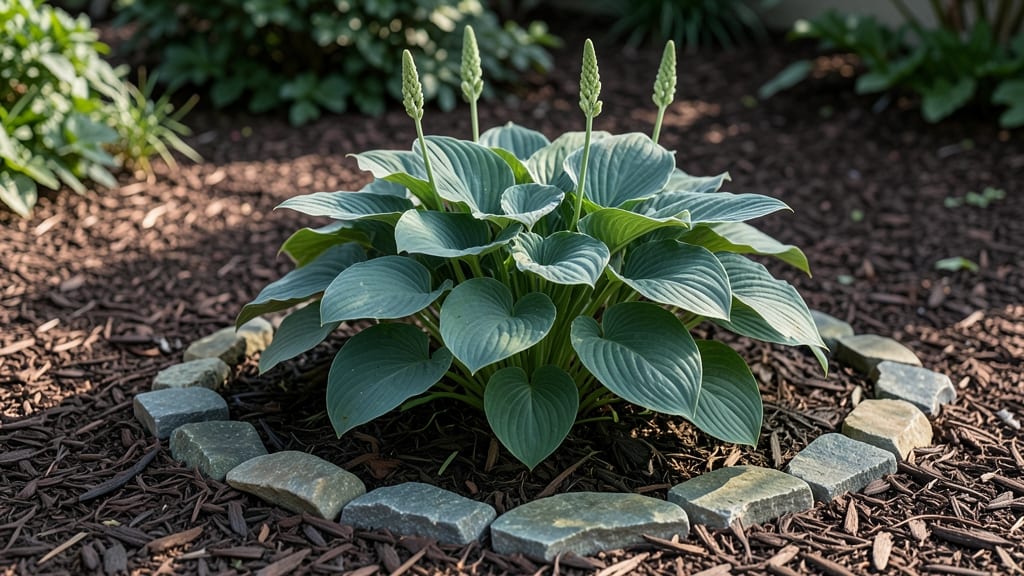
Shade-tolerant perennial flowers bring life to forgotten corners of the garden. 🌿 I’ve designed low-light plots that bloom reliably for years, using plants like hostas, astilbes, and bleeding hearts that thrive where sun struggles.
The secret lies in pairing bold foliage with delicate blooms—creating texture and movement even in deep shade.
Start with a moist, well-draining soil mix enriched with compost. Most shade perennials prefer dappled light to full shade, but avoid soggy roots. Plant in clusters of three or more for visual impact, mixing heights (tall astilbes behind shorter hostas) to build layered interest.
This approach transforms shady borders into lush, year-round displays.
By late summer, your garden will burst with jewel-toned blooms and velvety leaves that keep color long after sun-loving plants fade. The best part? These perennials return every year, reducing maintenance while boosting curb appeal. Even tricky spots under trees or along north-facing walls become vibrant focal points.
For extra drama, pair these with shade-friendly grasses like carex or ferns for contrast. Containers work too—just ensure drainage and group plants with similar moisture needs. The result is a garden that feels alive, even in the darkest corners. Let’s bring your shady areas to life.
📚 In This Guide
- What you need
- Instructions
- Tips and common mistakes
- Wrapping up and next steps
What you need
- ● Shade-tolerant perennial flowers: 5–10 plants (mix of Heuchera, Astilbe, Hosta, Lungwort, and Bleeding Heart for variety). Choose nursery-grown plants with established root systems.
- ● High-quality potting soil: 1–2 bags (1 cubic foot each) of well-draining, organic-rich soil (e.g., Miracle-Gro Premium or FoxFarm Ocean Forest).
- ● Compost or organic mulch: 1–2 bags (1 cubic foot each) to improve soil fertility and retain moisture.
- ● Slow-release fertilizer: 1–2 packets (e.g., Osmocote Smart-Release Plant Food, 14-14-14 NPK ratio).
- ● Garden trowel or hand shovel: For digging and transplanting.
- ● Garden gloves: 1 pair (heavy-duty, waterproof).
- ● Watering can or hose with a gentle spray nozzle: For hydrating plants without disturbing soil.
- ● Pruners or shears: Sharp, clean pair for trimming dead foliage or shaping plants.
- ● Measuring tape or ruler: To space plants 12–24 inches apart (depending on mature size).
- ○ Optional: Mulch spreader (for larger gardens).
- ● Soil pH tester (to ensure soil is slightly acidic to neutral, pH 6.0–7.0).
- ● Drip irrigation kit (for automated watering).
- ● Sunlight assessment: Confirm your garden receives <4 hours of direct sunlight daily (partial to full shade).
- ● Soil prep: Loosen soil to a depth of 12 inches and remove weeds or debris.
- ● Water source: Ensure easy access to water for the first 2–3 weeks post-planting.
Step-by-Step guide to designing a stunning shade garden
Here’s how I build a thriving shade garden that bursts with color and texture—no compromise on beauty.
🪴 Step 1: Assess Your Shade Conditions
First, determine your shade type: deep shade (less than 3 hours of direct sun), partial shade (3-6 hours), or dappled shade (filtered light through trees). I use a simple test—place a white board where you plan to garden and observe sunlight patterns over a week. Deep shade areas often have moist, cooler soil, while partial shade spots may dry out faster.
Dig a small hole (6 inches deep) in your test spot and check the soil’s moisture level. If it stays damp for days, you’ll need moisture-loving plants like heuchera or astilbe. If it dries quickly, opt for drought-tolerant perennials like lamium or coral bells. This step ensures you match plants to their perfect growing conditions.
🌱 Step 2: Select the Right Perennial Flowers
For bold foliage, I rely on heuchera (coral bells), hostas, and tiarella (foamflower)—their leaves alone create a lush backdrop. For long-lasting blooms, astilbe, bleeding heart (dicentra), and lungwort (pulmonaria) thrive in shade and reward you with vibrant flowers from spring to fall. I avoid sun-lovers like daylilies or coneflowers—they’ll just sulk in low light.
At the nursery, look for healthy root systems (not pot-bound) and firm stems. I always buy 3-5 plants per variety to create a layered effect—tall astilbe in back, mid-height heuchera in the middle, and low-growing ajuga as a ground cover. This creates depth and visual interest without overcrowding.
☀️ Step 3: Prepare the Soil for Shade Lovers
Shade gardens often suffer from compacted, nutrient-poor soil, so I amend mine with 3 inches of organic compost mixed into the top 12 inches of soil. For heavy clay, I add 1 part perlite to 3 parts compost to improve drainage. Test your soil’s pH—most shade perennials prefer slightly acidic to neutral (6.0-7.0)—and adjust with lime or sulfur if needed.
I avoid fresh mulch right after planting—it can smother young roots. Instead, I wait 2-3 weeks before adding a 3-inch layer of shredded bark or leaf mold to retain moisture and regulate soil temperature. This keeps roots happy in the cooler, often damp conditions of shade gardens.
🌿 Step 4: Plant with Layered Depth and Spacing
Dig holes twice as wide as the root ball but only as deep as the container’s base. Gently remove plants from pots and tease apart roots if they’re circling. Place each plant in its hole, ensuring the top of the root ball sits level with the soil surface—burying stems too deep invites rot. I space perennials 12-24 inches apart, depending on their mature size, to allow airflow and prevent disease.
Fill gaps with amended soil, tamp lightly, and water deeply to settle everything. I avoid packing soil too firmly—roots need space to expand. After planting, I add a slow-release fertilizer (like 10-10-10) to the soil surface to give plants a nutrient boost without burning tender roots.
💧 Step 5: Water and Mulch for Long-Term Success
Water deeply once a week for the first month to encourage root growth, then taper to every 10-14 days once established—unless your area has extreme heat or drought. Shade perennials often need less water than sun-lovers, but consistency is key. I water in the early morning to reduce evaporation and fungal risks.
After the initial 2-3 week wait, spread 3 inches of mulch (shredded bark or pine needles work well) around plants, keeping it 2 inches away from stems to prevent rot. This mulch layer locks in moisture, suppresses weeds, and keeps soil temperatures stable—critical for shade-loving perennials that dislike temperature swings.
Tips & tricks for perfect shade-tolerant perennial gardens
Creating a vibrant shade garden takes more than just selecting the right plants—it’s about understanding their environment and giving them what they truly need to thrive.
Layering for Visual Impact: In Step 2, when you're selecting your perennials, think vertically! I always group plants by height—tall astilbe (2-3 feet) in the back, mid-height heuchera (1-2 feet) in the middle, and low-growing ajuga (6-12 inches) as a ground cover. This creates a natural, cascading effect that draws the eye through the garden. The key is spacing: Give taller plants like astilbe 18-24 inches between them, while smaller varieties like tiarella can sit just 12 inches apart. This prevents overcrowding and ensures each plant gets proper airflow.
Soil Preparation Secret: The 3-inch compost layer mentioned in Step 3 is non-negotiable, but here's what I do differently: I mix in a handful of worm castings with that compost. Worm castings add beneficial microbes that help roots establish faster, especially in shade where decomposition happens more slowly. For clay-heavy soils, I also add a bit of coarse sand (not fine sand) with the perlite to create larger pores for better drainage. This prevents that dreaded "soggy soil" look that can suffocate roots.
Planting Depth Matters: When you're placing plants in their holes during Step 4, pay close attention to the root flare—the slightly swollen area where roots meet the stem. This should sit just above soil level. I've seen too many gardeners bury stems too deep, which can lead to rot. For container-grown plants, gently loosen the roots if they're circling—they'll spread out in the soil and establish better. And here's a pro move: After planting, I water deeply, then add a thin layer of compost to the surface. This gives roots a nutrient boost right when they need it most.
Mulching Strategy: The 2-3 week wait before mulching in Step 5 is crucial, but don't skip the mulch entirely! I use a technique called "double mulching" for shade gardens: First, I apply the 3-inch layer of shredded bark, then after a few months, I add a top layer of pine needles. The bark retains moisture while the pine needles slowly decompose, adding acidity that many shade plants love. Just remember to keep mulch 2 inches away from stems to prevent rot—this is where many gardeners go wrong.
Pro Tips for Shade Tolerant Perennial Flowers
- Creating a vibrant shade garden takes more than just selecting the right plants—it’s about understanding their environment and giving them what they truly need to thrive.
- Layering for Visual Impact: In Step 2, when you're selecting your perennials, think vertically!
- Soil Preparation Secret: The 3-inch compost layer mentioned in Step 3 is non-negotiable, but here's what I do differently: I mix in a handful of worm castings with that compost.
Frequently asked questions
Got questions about growing shade-tolerant perennial flowers? You’re not alone! Here are answers to the most common ones to help you create a thriving low-light garden with ease.
What are the easiest shade-tolerant perennials for beginners?
Start with hostas, heucheras, astilbes, or bleeding hearts—they’re hardy, low-maintenance, and bloom reliably. Ferns like maidenhair also add lush texture with minimal fuss. These plants thrive in partial to full shade and handle less-than-perfect soil better than fussy annuals.
When is the best time to plant shade perennials?
Plant in early spring (after the last frost) or early fall (6 weeks before your first frost). This gives roots time to establish before extreme heat or cold. Avoid planting in summer—hot, dry conditions stress young plants. Pro tip: Water deeply after planting to settle soil and reduce transplant shock.
Can I mix shade perennials with ground covers?
Pair heucheras (for color) with ajuga or lamium (for sprawling greenery) to create a layered, dynamic look. Just ensure they share similar light and moisture needs. Tip: Use ground covers like sweet woodruff to suppress weeds and retain soil moisture—ideal for shady spots.
How often should I water shade-loving perennials?
Water deeply 1–2 times per week (adjust for your climate). Shade gardens stay moist longer, but roots still need hydration—especially in containers. Warning: Overwatering can cause root rot, so ensure pots have drainage holes. Mulch (2–3 inches) helps retain moisture and regulate soil temperature.
What pests commonly affect shade perennials, and how do I prevent them?
Watch for slugs (they love hostas!), aphids, and Japanese beetles. Use organic barriers (copper tape for slugs), neem oil, or introduce ladybugs to control pests. Healthy plants resist attacks better—fertilize lightly in spring with compost or slow-release granules.
What if my shade perennials aren’t blooming?
Check these fixes: Light—are they getting some direct sun? Deadheading spent blooms encourages regrowth. Fertilizer—try a balanced, low-nitrogen feed in early spring. Age—some perennials (like peony) take 2–3 years to bloom. If nothing works, your plant may need dividing to rejuvenate.
Wrapping up and next steps
Transforming shady spots into vibrant gardens is easier than you think! With shade-tolerant perennial flowers, you can enjoy lush blooms and bold foliage year after year—no sunlight struggles required. 🌿 From Hellebores to Astilbes, these low-maintenance stars prove that shade doesn’t mean sacrificing beauty.
Ready to take the next step? Start small—pick one or two perennials to test in your garden, then expand as you see what thrives. Happy planting, and may your shady corners blossom with confidence! 🌸