
Light Requirements
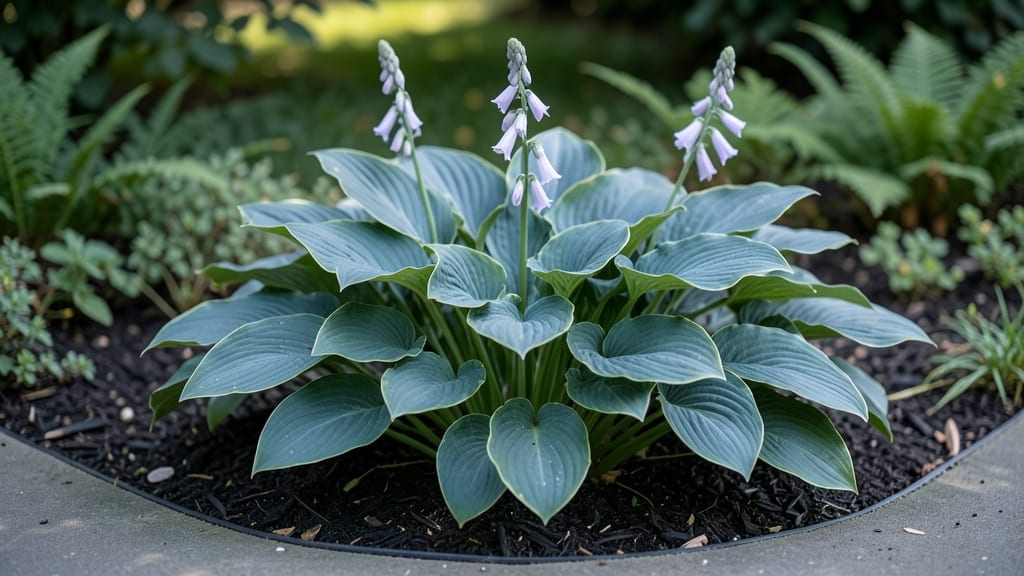
Shade-tolerant perennials turn dim corners into lush, vibrant spaces. 🌿 I’ve transformed my north-facing yard from a dull patch to a thriving garden using plants that flourish where others fade.
The key is choosing foliage that loves shade—hostas with their velvety leaves, heucheras with jewel-toned hues, and ferns that dance in the breeze. These plants aren’t just survivors; they’re stars in their own right.
Hostas offer deep green or variegated leaves that stay elegant year-round, while heucheras burst with colors like burgundy, lime, or silver. Ferns add texture and movement, creating a woodland feel even in small spaces. Mulch and stepping stones tie the look together, making it feel intentional and low-maintenance.
By the end of the season, you’ll have a garden that’s lush, layered, and full of life—no harsh sunlight required. The best part? These perennials come back stronger every year, so once planted, they’re practically foolproof. Works for any shady spot, from under trees to north-facing borders.
Let’s bring your low-light garden to life!
📚 In This Guide
- What you need
- Instructions
- Tips and common mistakes
- Wrapping up and next steps
What you need
- ● Shade-tolerant perennial plants (4–6 varieties, e.g., Hosta, Astilbe, Heuchera, Ferns, Bleeding Heart, or Coral Bells). Pro tip: Choose 3–5 plants per square foot for a dense, thriving look!
- ● High-quality potting soil or garden soil (50 lbs bag, amended with 20% compost for nutrients). 💡 Avoid heavy clay soil—it drains poorly in shade.
- ● Organic mulch (2–3 inches, such as shredded bark or pine needles). ✨ Mulch retains moisture and suppresses weeds!
- ● Slow-release fertilizer (10-10-10 or 5-10-10, 1 lb per 100 sq ft). 🌡️ Apply in early spring for best results.
- ● Watering can or hose with adjustable nozzle (for gentle watering—shade plants hate soggy roots!).
- ● Garden trowel or transplanter (for easy digging).
- ● Pruners (sharp, bypass-style for clean cuts).
- ● Garden gloves (to protect hands from thorns or rough foliage).
- ● Soil pH test kit (ideal range: 6.0–7.0 for most shade perennials).
- ● Measuring tape (to space plants 12–24 inches apart, depending on variety).
- ● Sunlight assessment: Confirm your area gets less than 4 hours of direct sun daily (use a sunlight tracker app if unsure!).
- ● Drainage check: Ensure no standing water after rain (shade plants hate waterlogged roots!).
- ● Plant compatibility: Group perennials with similar water and light needs (e.g., Hosta + Ferns vs. Astilbe + Heuchera).
Step-by-Step guide to planting shade-tolerant perennials
Here's how to create a lush, low-maintenance garden that thrives even where sunlight is scarce.
🌱 Step 1: Choose the Right Perennials for Your Shade Level
Start by assessing your shade conditions—is it dappled shade (filtered sunlight), partial shade (3-6 hours of sun), or deep shade (less than 3 hours)? For deep shade, opt for hostas, ferns, and lungwort. In partial shade, consider astilbes, heucheras, and Japanese painted ferns. I always check the mature plant height too—taller varieties like cimicifuga (bugbane) need the back of the border, while shorter heucheras work beautifully in front.
Look for plants labeled "shade-tolerant" or "low-light" on seed packets or nursery tags. These perennials have evolved to thrive where others struggle. I like to mix textures—leathery hosta leaves paired with delicate fern fronds creates visual interest even without flowers. Skipping this step leads to disappointed plants that bolt or fail to thrive.
🪴 Step 2: Prepare the Soil for Low-Light Plants
Shade-tolerant perennials often prefer moist, well-draining, and rich soil—think of it as the Goldilocks of gardening: not too dry, not too soggy. Amend your soil with 2-3 inches of compost or well-rotted manure before planting. I dig it in about 6-8 inches deep to ensure roots have access to nutrients. For heavy clay soil, mix in 1 part perlite or coarse sand to improve drainage.
Test your soil's moisture retention by squeezing a handful—it should hold together but not feel sticky. If it's too dry, add peat moss to retain moisture; if it's too compacted, work in pine bark fines for aeration. Avoid fresh mulch right after planting—wait until new growth appears before adding a 2-3 inch layer of shredded bark or leaves to conserve moisture.
☀️ Step 3: Plant at the Correct Depth and Spacing
Dig holes twice as wide as the root ball but only as deep as the container's base—planting too deep can suffocate roots, while planting too shallow leaves them exposed. Gently remove the plant from its container, loosen any circling roots with your fingers, and place it in the hole. Fill around the roots with soil, pressing lightly to eliminate air pockets but not compacting too firmly.
Space perennials according to their mature size—hostas need 12-24 inches apart, while astilbes thrive 18-36 inches apart. I always label plants immediately with their name and planting date (yes, I get forgetful!). Water deeply right after planting to settle the soil and encourage root contact. You'll know you've done it right when the soil surface looks slightly settled but not crusted.
💧 Step 4: Water and Mulch for Long-Term Success
Water deeply once a week (or more often in extreme heat) until the soil is 6 inches deep moist. Shade plants rely on consistent moisture—let the top 1-2 inches of soil dry out between waterings to prevent root rot. I use a soaker hose or drip irrigation to deliver water slowly at the base, avoiding wetting the foliage (which can invite fungal diseases).
After 4-6 weeks, apply a 2-3 inch layer of mulch (shredded bark, wood chips, or pine needles) to suppress weeds and retain moisture. Keep the mulch 2 inches away from plant stems to prevent rot. This is where many gardeners go wrong—they either mulch too thickly (smothering roots) or too thinly (letting weeds take over). A good rule: mulch should look like a blanket, not a pillow.
✂️ Step 5: Maintain Through the Seasons
Shade perennials need minimal pruning—cut back dead or yellowed foliage in early spring before new growth appears. For evergreen perennials like hellebores, remove only the most damaged leaves to preserve winter interest. I always prune with clean, sharp shears to avoid tearing leaves, which can invite pests. Fertilize lightly in early spring with a balanced 10-10-10 or slow-release organic fertilizer—too much nitrogen leads to lush foliage but weak stems.
Watch for yellowing leaves (often a sign of overwatering) or pale foliage (usually a need for more light or nutrients). If your perennials look leggy or sparse, they might be outgrowing their space—divide clumps every 3-5 years in early spring or fall. This rejuvenates plants and gives you free divisions for other spots in your garden. The key is observation: shade gardens are forgiving, but they do send signals when something's off.
Tips & tricks for perfect shade-tolerant perennial gardens
Here's what nobody tells you about making your shade garden truly thrive.
Shade Assessment Trick: Use a simple test to gauge your shade levels. Place a white piece of paper in the spot where you plan to plant for a few hours. If the paper shows no shadows, you have deep shade. If it has partial shadows, that's your partial shade zone. This helps you match the right plants to the right conditions—like pairing hostas with deep shade or astilbes with partial shade. I've planted ferns in the wrong light before, and they just... gave up.
Soil Prep Secret: The 6-8 inch deep compost amendment in Step 2 is non-negotiable for shade plants. I've seen gardeners skip this and wonder why their perennials look stressed. For clay-heavy soil, mix in 1 part perlite to every 3 parts soil—this creates tiny air pockets that roots love. Think of it like adding tiny water reservoirs for those roots to sip from when they need it most.
Planting Depth Visual: When planting, imagine the root ball sitting just below the soil line where it was in its container. If you're unsure, run your finger along the root ball's edge before placing it in the hole—this gives you a perfect reference point. I learned this the hard way after burying a heuchera too deep and watching it struggle for months to surface.
Mulching Like a Pro: That 2-3 inch mulch layer in Step 4 should look like you're tucking a cozy blanket around your plants—not piling a snowdrift. I've seen people use 4+ inches of mulch, which actually suffocates stems. And keep it 2 inches away from stems to prevent rot. Pro tip: Use a rake to create a slight dip around each plant before adding mulch—this helps water flow directly to roots.
Pro Tips for Shade Tolerant Perennials
- Here's what nobody tells you about making your shade garden truly thrive.
- Shade Assessment Trick: Use a simple test to gauge your shade levels.
- Soil Prep Secret: The 6-8 inch deep compost amendment in Step 2 is non-negotiable for shade plants.
Frequently asked questions
Got questions about growing shade-tolerant perennials? You’re not alone! Here are some of the most common concerns—and their solutions—to help you create a lush, low-light garden with confidence.
What are the easiest shade-tolerant perennials for beginners?
Start with hostas, heucheras, or astilbes. These are hardy, low-maintenance, and thrive in partial to full shade. Hostas offer striking foliage, while heucheras (like coral bells) boast vibrant colors year-round. Astilbes add feathery plumes in summer—perfect for adding texture without fuss!
How long does it take for shade perennials to establish?
Most shade-tolerant perennials take 1–2 years to fully establish, though some (like lamium or bleeding heart) may flower in their first season. Focus on consistent watering and mulching the first year to encourage strong root growth. Patience pays off with bold foliage and longer blooms!
Do shade perennials need extra care during droughts?
Yes! While they tolerate shade, many still need regular watering (about 1 inch per week). Mulch heavily (2–3 inches) to retain moisture. Drought-tolerant picks like Japanese painted ferns or sedge handle dry spells better, but monitor soil moisture—wilting leaves signal thirst.
Can I plant shade perennials in containers?
Containers are ideal for small spaces or renters. Choose compact varieties like dwarf hostas or miniature ferns. Use well-draining soil with added organic matter, and ensure pots have drainage holes. Rotate containers occasionally for even growth—sunlight shifts with seasons!
What pests commonly attack shade perennials?
Watch for slugs (especially on hostas), aphids, and spider mites. Use organic deterrents like diatomaceous earth or beer traps for slugs. Prune affected leaves promptly and spray with neem oil if infestations persist. Healthy plants with good airflow resist pests better!
Pro Tip:
Mix foliage perennials (like heucheras) with bloomers (like foxgloves) for year-round interest. Layer plants by height—tall back, medium mid, and low to the front—to create a dynamic, low-light oasis!
Wrapping up and next steps
Shade-tolerant perennials are the secret weapon for transforming dull, low-light spaces into lush, vibrant gardens—no matter the season! 🌿 From the delicate blooms of Hosta to the bold foliage of Hellebores, these plants prove that shade isn’t a limitation but an opportunity.
With the right choices, you can enjoy year-round color, texture, and even fragrance with minimal sunlight.
Ready to elevate your garden? Start small—pick one or two perennials from this list and observe how they thrive in your space. Then, expand your collection based on what works best! Grab your gardening tools and dive in—your shade garden awaits! 🌱✨