
Light Requirements
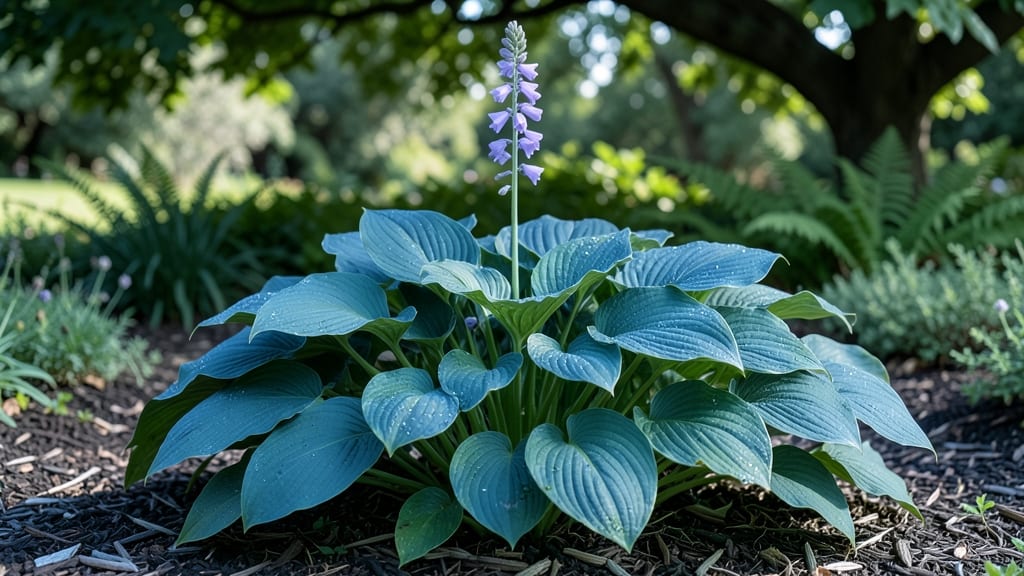
Transforming dark corners into lush green havens starts with the right shade-tolerant plants. 🌿 I’ve turned my own shady spots into vibrant gardens by choosing plants that thrive where sunlight struggles—no more bare patches or sad, leggy growth.
The secret lies in matching plant needs to light conditions, whether it’s deep shade under trees or dappled light near a north-facing wall.
Hostas, ferns, and impatiens are the workhorses of shade gardening, but the right soil and watering make all the difference. Amend heavy clay with compost to improve drainage, and mulch to keep roots cool and moisture consistent.
Most shade plants prefer 1-3 hours of filtered light, but some, like astilbes, handle even less. Test your spot with a light meter or observe how sunlight shifts throughout the day.
By mid-summer, your shade garden will reward you with rich foliage, delicate blooms, and minimal fuss. Hostas offer bold textures, ferns add feathery movement, and impatiens bring bursts of color. The key is patience—these plants grow slower but stay healthy year after year, outlasting sun-loving annuals.
Even tricky spots like east-facing walls or dense tree canopies can work with the right choices. Start small, experiment with a few varieties, and watch your dark corners become the garden’s most serene and productive corners. The payoff? A lush, low-maintenance retreat that feels like a secret garden.
📚 In This Guide
- What you need
- Instructions
- Tips and common mistakes
- Wrapping up and next steps
What you need
- ● Shade-tolerant plants: 3–5 varieties (e.g., Hostas, Ferns, Heucheras, Calatheas, or Astilbes—check local nurseries for disease-resistant options).
- ● Containers or garden beds: 1–2 10–12-inch pots (per plant) with drainage holes, or
- ● A raised bed (4’x8’) with well-draining soil (if planting directly).
- ● High-quality potting mix: 5–10 gallons of peat-free, organic mix (e.g., Miracle-Gro Moisture Control or FoxFarm Ocean Forest).
- ● Slow-release fertilizer: 1–2 tbsp balanced (10-10-10) or organic fertilizer (e.g., Espoma Garden-Tone).
- ● Mulch: 2–3 inches of pine bark, shredded leaves, or coconut coir to retain moisture.
- ● Watering can or hose: With a gentle spray nozzle (avoid over-saturating roots).
- ● Gloves & trowel: For handling soil and planting.
- ● Grow lights: LED full-spectrum bulbs (12–14 hrs/day) for deep shade areas.
- ● Soil pH tester: Ensures acidic (5.0–6.5) or neutral (6.0–7.0) soil for picky plants.
- ● Decorative stones: For mulch-free aesthetics (e.g., pebbles or slate chips).
- ● Plant labels: Waterproof markers to track varieties.
How to create a thriving shade garden in dark corners
Turn your dimmest spots into lush, vibrant green spaces with plants that flourish where others fade.
🌱 Step 1: Choose the Right Shade-Tolerant Plants
Start with plants that thrive in low to no direct sunlight. Hostas, ferns, and impatiens are classic choices because they handle shade beautifully. I always pick varieties labeled "shade-loving" or "partial shade" to avoid disappointment. For a pop of color, try heucheras (coral bells) or astilbes—they bloom reliably in shady spots.
Check your space's light conditions first. If it's deep shade (less than 2 hours of sunlight), go for plants like caladiums or liriope. For partial shade (3-6 hours of sun), begonias and coleus will shine. I like to mix textures—spiky ferns with rounded hostas—for visual interest.
☀️ Step 2: Prepare the Soil for Shade-Loving Plants
Shade gardens need rich, well-draining soil to prevent root rot. Amend your existing soil with 2-3 inches of compost or peat moss to improve moisture retention and fertility. I avoid heavy clay by mixing in perlite or coarse sand—this keeps roots oxygenated even in damp conditions.
Test your soil’s moisture level by squeezing a handful. If it stays clumped, add more organic matter. Shade plants often struggle in compacted soil, so I loosen the top 6-8 inches with a garden fork. This gives roots room to spread without competition.
🪴 Step 3: Plant with Spacing and Layering in Mind
Dig holes twice as wide as the root ball but no deeper. Gently remove plants from containers and tease apart tangled roots. Place them in the hole, then backfill with soil, pressing lightly to eliminate air pockets. I always water deeply after planting to help roots settle.
Space plants based on their mature size—12-18 inches apart for most shade perennials. Layer taller plants (like astilbes) at the back, mid-height (heucheras) in the middle, and trailing or low-growing (sweet woodruff) in the front. This creates depth and prevents overcrowding as they grow.
💧 Step 4: Water Consistently Without Overdoing It
Shade gardens stay moist longer, so water deeply 1-2 times per week instead of daily light sprinkles. Check the soil 1 inch below the surface—if it’s dry, it’s time to water. I use a soaker hose to deliver moisture slowly and reduce evaporation.
Mulch with 2-3 inches of shredded bark or leaves to retain moisture and regulate soil temperature. Avoid piling mulch against stems, though—keep it 2 inches away to prevent rot. Overwatering is the biggest mistake in shade gardens, so I always err on the side of slightly dry soil.
✂️ Step 5: Maintain with Pruning and Seasonal Care
Deadhead spent blooms on impatiens or astilbes to encourage more flowers. Trim leggy foliage (like coleus) in early spring to promote bushier growth. I prune hostas in late summer to remove yellowing leaves before they detract from the plant’s appearance.
Fertilize lightly in spring with a balanced, slow-release fertilizer (10-10-10). Too much nitrogen makes shade plants grow weak and floppy. I also monitor for pests—slugs love shade gardens, so I set out beer traps or diatomaceous earth as a barrier.
Tips & tricks for perfect shade-tolerant plant gardens
Here's what nobody tells you about keeping your shade garden thriving—these tricks make all the difference between a struggling patch and a lush oasis.
Plant Selection Insight: When choosing between deep shade and partial shade plants, observe your space for at least a week. Deep shade areas (less than 2 hours of sunlight) need the hardiest varieties like caladiums or liriope, while partial shade spots (3-6 hours) can handle more delicate options like begonias. I always test a few plants in different spots before committing to a full garden layout—it saves so much frustration later.
Soil Prep Secret: The 2-3 inches of compost or peat moss recommendation is non-negotiable for shade gardens, but here's the real trick: mix in a handful of worm castings with your soil amendment. Worm castings add beneficial microbes that help roots absorb nutrients more efficiently, especially in low-light conditions where plants work harder to grow. Don't skip this step if you want vibrant, healthy foliage.
Planting Technique: When digging those holes twice as wide as the root ball, focus on creating vertical channels rather than wide bowls. This encourages roots to grow downward where they'll find moisture and nutrients. I also make sure to water each planting hole thoroughly before placing the plant—this helps settle the soil and eliminates air pockets that can strangle new roots.
Watering Wisdom: The 1-2 times per week watering guideline works perfectly, but timing matters just as much. Water in the early morning so leaves have time to dry before evening—this prevents fungal issues that are common in shade gardens. I've also found that watering at the base of plants (rather than overhead) keeps foliage drier and reduces the risk of mildew on sensitive varieties like impatiens.
Pro Tips for Shade Tolerant Plants
- Here's what nobody tells you about keeping your shade garden thriving—these tricks make all the difference between a struggling patch and a lush oasis.
- Plant Selection Insight: When choosing between deep shade and partial shade plants, observe your space for at least a week.
- Soil Prep Secret: The 2-3 inches of compost or peat moss recommendation is non-negotiable for shade gardens, but here's the real trick: mix in a handful of worm castings with your soil amendment.
Frequently asked questions
Got questions about shade-tolerant plants? You’re not alone!
Here are answers to the most common queries to help you grow lush greens in those tricky low-light spots.
What are the easiest shade-tolerant plants for beginners?
Start with hostas, heucheras, or ferns—they’re forgiving and thrive in partial to full shade. Snake plants and ZZ plants are also low-maintenance superstars for indoor spots with minimal light. Pro tip: Check your space’s light levels (deep shade vs. dappled light) to pick the perfect match!
How long does it take for shade plants to establish?
Most shade-tolerant plants take 4–8 weeks to show initial growth, but full establishment (rooting, foliage filling out) can take 3–6 months. Patience pays off—slow and steady wins with low-light greens! Troubleshooting: If nothing sprouts after 2 months, test your soil moisture (overwatering is a common culprit).
Can shade plants handle sudden sunlight exposure?
Not without stress! If your shade plant gets sudden direct sun (e.g., a tree branch falling), it may develop sunburn (brown patches) or leaf scorch. Gradually acclimate plants to brighter light over 1–2 weeks by moving them to slightly sunnier spots. Alternatives: Use sheer curtains to filter harsh rays.
Why are my shade plants turning yellow?
Yellowing leaves usually signal overwatering, nutrient deficiency, or root rot. Check the soil—it should be moist but not soggy. Fix it: Let the top inch dry out between waterings, and fertilize lightly with a balanced shade plant food (like 10-10-10) every 6–8 weeks. Tip: Yellow edges? It might be underwatering!
Are there shade-tolerant plants for small apartments?
Opt for compact varieties like dwarf hostas, peperomia, or pothos (which also purifies air!). For hanging pots, try string of pearls or ivy. Space-saving hack: Use vertical gardens or wall-mounted planters to maximize greenery without floor clutter.
Wrapping up and next steps
Transforming your shady spots into lush, vibrant gardens is easier than you think! Shade-tolerant plants like hostas, ferns, and impatiens thrive where others falter, adding beauty without needing direct sunlight.
With the right choices and a little care, you can create a thriving oasis in even the darkest corners of your yard.
Ready to get started? Take the next step:
- 🌱 Sketch your space—measure light levels and note areas for planting.
- 🛒 Grab your favorites from local nurseries or online retailers.
- 💧 Water and watch them grow! Your green sanctuary awaits. 🌿