
Tools
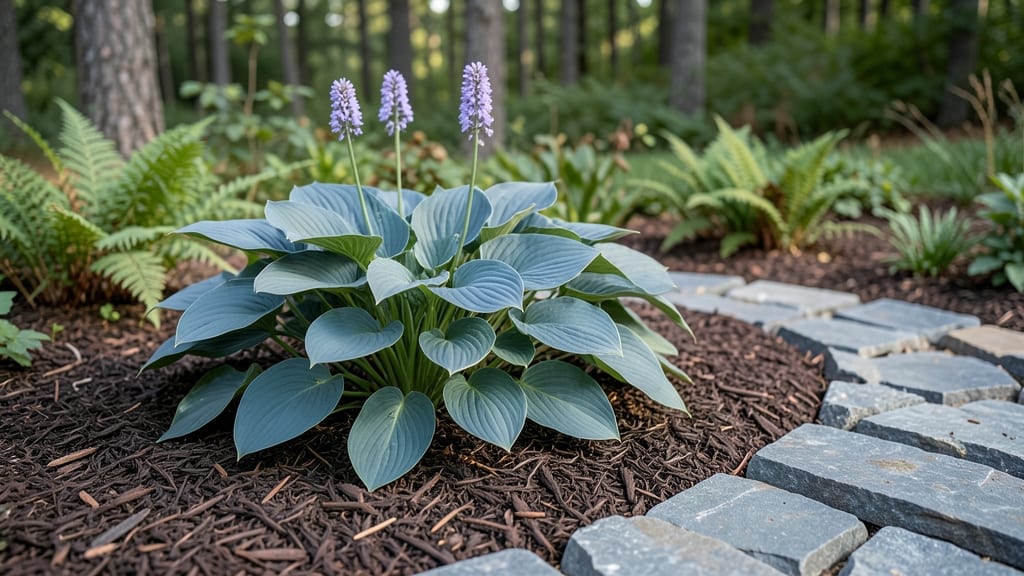
A shaded flower garden thrives where others fail—no more struggling with sun-starved blooms. ✨ I’ve designed low-light spaces that burst with color and texture, using evergreen foliage as the backbone for year-round interest.
The secret? Layering plants that love shade, from delicate ferns to bold hostas, creating depth without sacrificing sunlight needs.
Start with the soil—amend it with compost to improve drainage and moisture retention, then choose plants that match your shade level (full to partial). My go-to trio? Hydrangeas for lush blooms, Heucheras for fiery foliage, and Astilbes for feathery plumes.
These thrive where others wilt, and they pair beautifully with ferns and Japanese painted ferns for that "whimsical woodland" look.
By midseason, your garden will feel alive with movement—leaves rustling, flowers nodding, and colors shifting from spring’s soft greens to summer’s deep purples. The best part? Minimal maintenance once established. A weekly check for weeds and occasional mulch keeps things thriving without the fuss of sun-loving gardens.
Perfect for north-facing yards, under trees, or even balcony planters. Here’s how to mix textures, heights, and colors for a space that feels lush year-round—no matter how little sun hits it.
📚 In This Guide
- What you need
- Instructions
- Tips and common mistakes
- Wrapping up and next steps
What you need
- ● Evergreen foliage plants (5–10 per square foot): Hostas (various sizes, e.g., Hosta ‘Blue Angel’ or Hosta ‘Francee’)
- ● Ferns (e.g., Matteuccia struthiopteris or Dryopteris erythrosora)
- ● Hellebores (e.g., Helleborus niger or Helleborus orientalis)
- ● Astilbes (e.g., Astilbe ‘Fanal’ for bold foliage)
- ● Heucheras (e.g., Heuchera ‘Palace Purple’ for color)
- ● Mulch (2–3 inches): Shredded bark, pine straw, or cocoa hulls (organic options retain moisture).
- ○ Slow-release fertilizer (optional but recommended): 10-10-10 or organic options like compost or worm castings.
- ● Soil amendments (if needed): Peat moss or compost to improve drainage in heavy clay.
- ● Garden tools: Trowel or hand shovel
- ● Garden fork (for amending soil)
- ● Pruners (sterilized)
- ● Gloves (gardening or heavy-duty)
- ● Measuring tape or garden stakes (for spacing plants evenly).
- ● Watering can or hose with a gentle spray nozzle (drip irrigation is ideal for shade gardens).
- ○ Optional but helpful: Garden kneeler or pad (for comfort)
- ● Soil pH test kit (to ensure acidity/alkalinity is plant-friendly)
- ● Decorative stones or edging (for borders)
Step-by-Step instructions for designing a thriving shaded flower garden
Here's how to create a lush, evergreen garden that flourishes where others fail.
🌱 Step 1: Assess Your Shade Conditions
First, identify your shade type—deep shade (under trees with less than 3 hours of direct sunpartial shade (4-6 hours of filtered light). I use a simple test: place a white board where you plan to garden for a week. Mark the hours of direct sunlight. Deep shade areas will have minimal marks, while partial shade gets more.
Your plant choices hinge on this assessment. Deep shade thrives with hostas, ferns, and astilbes, while partial shade supports heucheras, impatiens, and bleeding hearts. I always sketch a quick map of my garden, noting the shade patterns. This prevents costly mistakes later when plants struggle.
🪴 Step 2: Prepare the Soil for Low-Light Success
Shade-loving plants demand rich, well-draining soil with plenty of organic matter. Amend your existing soil with 3-4 inches of compost and a handful of slow-release fertilizer (like 10-10-10) per square foot. I mix in a few handfuls of perlite or coarse sand to prevent compaction, which is critical in shaded areas where water pools.
Test your soil’s moisture retention by digging a small hole and filling it with water. If it drains within 15-20 minutes, your soil is ready. If water lingers, add more organic matter to improve drainage. A soil pH of 6.0-7.0 is ideal—test kits are inexpensive and save guesswork.
☀️ Step 3: Select and Plant Evergreen Foliage Plants
For year-round interest, focus on evergreen foliage like heucheras, lamium, and Japanese painted ferns. These plants hold their leaves through winter and provide texture even when flowers fade. I plant in clusters of 3-5, spacing them 12-18 inches apart depending on the variety. Larger plants like hostas get 24 inches of space to prevent overcrowding.
Dig holes twice as wide as the root ball but only as deep. Place the plant so the top of the root ball sits level with the surrounding soil—burying too deep suffocates roots. Water deeply after planting to settle the soil and eliminate air pockets. Mulch with 2-3 inches of shredded bark or leaves to retain moisture and regulate temperature.
💧 Step 4: Water and Maintain for Long-Term Health
Shaded gardens dry out slower, but consistent moisture is key. Water deeply once a week (or more in extreme heat) until the soil is 6 inches deep and damp. I check by inserting a screwdriver—if it slides in easily, the soil is moist enough. Overwatering causes root rot, so avoid soggy conditions.
Fertilize lightly in early spring and midsummer with a balanced, water-soluble fertilizer (like 20-20-20) diluted to half strength. Deadhead spent blooms to encourage new growth, but leave seed heads on some plants for winter interest. Prune leggy stems in late winter to maintain shape and airflow.
✂️ Step 5: Refresh and Expand Seasonally
Every 2-3 years, divide overcrowded perennials like hostas and ferns in early spring before new growth appears. Dig up clumps, separate the roots, and replant the strongest sections. This rejuvenates plants and fills gaps in your design.
Add annuals like impatiens or caladiums in spring for pops of color, then swap them out in fall for fall-blooming plants like hellebores or asters. This keeps your garden dynamic without sacrificing structure. I always take photos of my layout before making changes—it helps me visualize the big picture.
Tips & tricks for perfect shaded flower garden design
A few strategic moves can transform your low-light space into a thriving evergreen sanctuary—here's how to avoid common pitfalls and elevate your results.
Plant Selection Precision: When choosing plants for Step 1, pay special attention to leaf color variations within the same species. For example, heucheras come in deep purples, chartreuse, and silvers—mix these for visual depth. I always group plants with similar light requirements together to prevent competition. In deep shade areas, avoid plants like bleeding hearts that need more light than they'll receive.
Soil Testing Shortcut: Instead of buying a full soil test kit, use a simple DIY test for Step 2: Rub a handful of moist soil between your fingers. If it forms a tight ball that doesn't crumble easily, you need more perlite or sand. For pH testing, use red cabbage juice (a natural indicator)—add chopped cabbage to boiling water, cool, then pour over soil samples. Purple means acidic (below 6.0), blue means alkaline (above 7.0).
Planting Technique: In Step 3, when creating those 3-5 plant clusters, I recommend staggering the sizes slightly—place one larger plant in the center with smaller varieties surrounding it. This creates natural height variation and prevents a flat, monotonous look. For hostas, plant the crowns slightly higher than the surrounding soil to prevent rot in winter's wet conditions.
Watering Strategy: The once-a-week watering in Step 4 works best when done in the morning. This gives plants time to absorb moisture before evening evaporation. For large gardens, consider installing a simple drip irrigation system on a timer—it delivers consistent moisture without the risk of overwatering. Always water at the base of plants rather than overhead to minimize fungal diseases in shaded conditions.
Pro Tips for Shaded Flower Garden
- A few strategic moves can transform your low-light space into a thriving evergreen sanctuary—here's how to avoid common pitfalls and elevate your results.
- Plant Selection Precision: When choosing plants for Step 1, pay special attention to leaf color variations within the same species.
- Soil Testing Shortcut: Instead of buying a full soil test kit, use a simple DIY test for Step 2: Rub a handful of moist soil between your fingers.
Frequently asked questions
Got questions about creating a thriving shaded flower garden? You're not alone! Here are answers to the most common concerns to help you design with confidence.
What are the best shade-tolerant flowers for full shade (less than 3 hours of sunlight)?
Look for heuchera (coral bells), astilbe, ferns, impatiens, and hostas. These thrive in low-light conditions and add vibrant colors and textures. For partial shade (3–6 hours of sunlight), try bleeding heart, hydrangeas, and Japanese anemones—they’ll reward you with bold blooms!
How long does it take for a shaded flower garden to establish and bloom?
Patience pays off! Most shade-loving perennials take 1–2 years to fully establish, while annuals (like impatiens) may bloom within 6–8 weeks of planting. Mulch with 3–4 inches of organic matter to retain moisture and speed up root growth.
Can I use regular potting soil in a shaded garden bed?
Not ideal! Shade gardens need well-draining, moisture-retentive soil rich in organic matter. Amend your soil with compost or peat moss and consider a slow-release fertilizer (like 10-10-10) at planting time. Test your soil’s pH—many shade plants prefer acidic to neutral (5.0–7.0).
Will my shaded flowers die if I forget to water them?
Most shade plants prefer consistent moisture but won’t die instantly. However, drought-tolerant options like hellebores or lamium handle brief dry spells better. Water deeply 1–2 times per week (more in extreme heat) and mulch heavily to lock in humidity.
What’s the easiest way to refresh a tired shaded garden?
Start with deadheading spent blooms and dividing overcrowded perennials (like hostas) every 3–4 years. Add a layer of compost and swap out struggling plants for low-maintenance alternatives, such as foamflower or lungwort. A fresh mulch layer also works wonders!
Wrapping up and next steps
A shaded flower garden thrives on evergreen foliage and strategic plant choices, proving that low-light spaces can be just as vibrant—and even easier to maintain—than sun-drenched ones! 🌿 Whether you’re working with hostas, ferns, or impatiens, the key is embracing plants that flourish in dappled shade while adding texture, color, and year-round interest.
Now that you’re armed with the right tools, materials, and answers, it’s time to roll up your sleeves and transform your shady corner into a lush, low-maintenance paradise. Start small—plant a single bed or a few pots—and watch your garden bloom with confidence! 🌱