
Planting
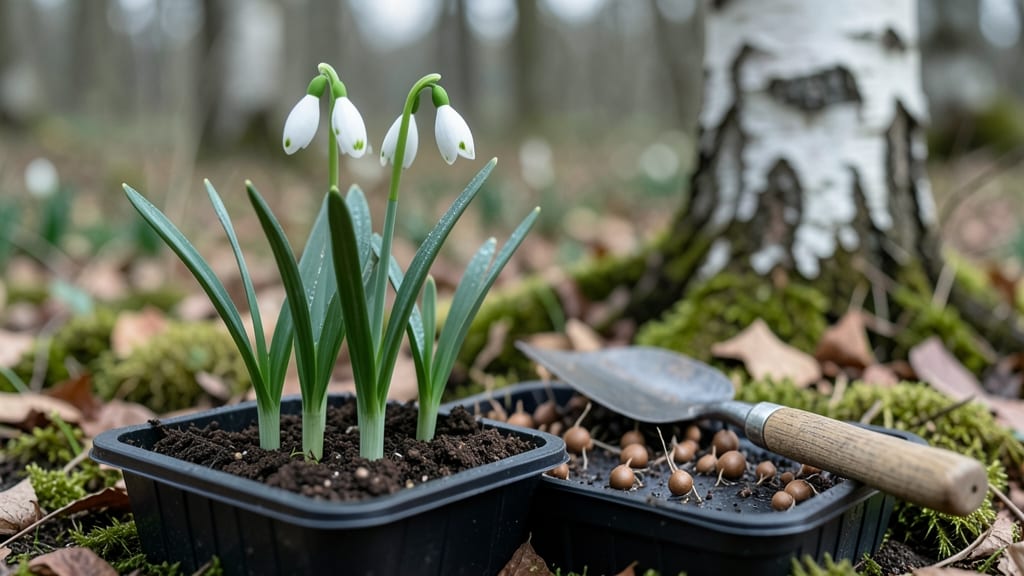
Your shady garden can still burst with color—spring bulbs for shade are the secret weapon I’ve relied on for years to turn dull corners into cheerful displays.
The key is choosing the right varieties: snowdrops that poke through snow, fritillarias with their nodding bells, and hyacinths that perfume the air without needing sun. These bulbs don’t just survive shade—they thrive, returning every spring with minimal fuss.
Fall is the only time to plant them, but don’t stress about perfect timing—just get them in the ground 6-8 weeks before frost. A well-draining soil mix (add compost!) and a spot with partial shade (2-6 hours of dappled light) is all they need.
I’ve planted mine under trees where nothing else grows, and they’ve outlasted every other annual I’ve tried. The trade-off? You’ll need to wait until late winter or early spring for those first signs of life.
What you’ll end up with is a garden that feels alive even before summer arrives—delicate blooms in white, purple, and yellow that attract bees early in the season. The bulbs multiply over time, so you’ll get more flowers each year with no extra work.
Plus, they’re deer-resistant, which is a bonus if you’re dealing with hungry critters in your yard. Honestly, once you see the first shoots push through the soil, you’ll wonder why you didn’t try this sooner.
These shade-loving bulbs work in containers too, making them perfect for patios or under decks where sunlight is scarce. Just use a pot with drainage holes and group a few varieties together for a layered effect.
Whether you’re planting in the ground or in pots, the same rules apply—plant deep, water well after planting, and let nature do the rest. By next spring, your shade garden will be the envy of the neighborhood.
📚 In This Guide
- What you need
- Instructions
- Tips and common mistakes
- Wrapping up and next steps
What you need
- ● Spring bulbs: Choose from your selected shade-loving varieties (e.g., Daffodils, Snowdrops, Hyacinths, or Alliums). Plan for 10–15 bulbs per square foot for a lush display.
- ● Garden soil or potting mix: Use a well-draining, loamy mix amended with compost (avoid heavy clay). A 50-pound bag is ideal for most small-to-medium gardens.
- ● Bulb planter or trowel: A long-handled bulb planter (for deeper planting) or a sturdy hand trowel for precision.
- ● Garden gloves: A pair of durable, breathable gloves to protect your hands from dirt and sharp bulb edges.
- ● Measuring tape or ruler: To ensure bulbs are planted at the correct depth (typically 2–3 times the bulb’s height).
- ● Watering can or hose with a gentle spray nozzle: For even moisture distribution after planting.
- ○ Mulch (optional but recommended): A 2–3 inch layer of shredded bark or straw to retain moisture and regulate soil temperature.
- ● Bulb fertilizer: A slow-release, bulb-specific fertilizer (e.g., Osmocote Bulb Booster) to give your plants a nutrient boost.
- ● Soil moisture meter: To monitor ideal soil dampness (aim for 60–70% moisture during growth).
- ● Garden markers: Biodegradable labels to track bulb types and planting dates.
- ● Knee pad or small stool: For comfort during extended planting sessions.
Step-by-Step guide to planting spring bulbs for shade
Here's how to create a reliable shade garden that blooms beautifully every spring without fail.
Choose the Right Bulbs for Your Shade Conditions
Select shade-tolerant bulbs like woodland phlox, glory-of-the-snow, bleeding heart, or elk clover. These varieties thrive in partial to full shade and return year after year. I always check the USDA hardiness zone rating on the bulb package to ensure it matches my climate—this prevents winter die-off.
Look for firm, dry bulbs with no soft spots or mold. The larger the bulb, the more robust the bloom, so aim for 1-inch diameter or larger when possible. Store them in a cool, dark place until planting day to maintain their vitality.
Prepare the Planting Site
Test your soil’s moisture level by digging a 6-inch deep hole—if it feels dry after a few days, you’ll need to amend it with organic compost to improve drainage. Shade bulbs hate soggy soil, so if your area stays damp, consider planting in raised beds or containers with well-draining mix.
Clear the area of weeds and debris, then loosen the soil with a garden fork to a depth of 12 inches. Break up any compacted layers so roots can establish easily. If your soil is heavy clay, mix in 1 part perlite or coarse sand per 3 parts soil to create a lighter, more workable medium.
Plant Bulbs at the Correct Depth and Spacing
Dig holes 3 times deeper than the bulb’s height—for most shade bulbs, that’s about 6 inches deep. Space bulbs 3-6 inches apart, depending on the variety. Smaller bulbs like glory-of-the-snow can go closer together, while larger ones like bleeding heart need more room to spread.
Place each bulb in the hole with the pointed end facing upward. If you’re unsure which end is up, don’t worry—bulbs will still grow, but they may take slightly longer to emerge. Cover the bulb with soil and gently firm it down to eliminate air pockets. Water thoroughly right after planting to settle the soil around the bulb.
Mulch and Water for Establishment
Spread a 2-3 inch layer of mulch over the planting area, keeping it 6 inches away from bulb stems to prevent rot. I use shredded bark or leaves because they break down slowly and retain moisture. Mulch helps regulate soil temperature and keeps bulbs consistently moist during their early growth phase.
Water deeply once a week during the first 4-6 weeks after planting, or whenever the top 2 inches of soil feel dry. Avoid overwatering—bulbs rot easily in soggy conditions. Once established, shade bulbs are quite drought-tolerant, but consistent moisture during their first season ensures strong root development.
Monitor and Enjoy Year-After-Year Blooms
In early spring, watch for green shoots pushing through the soil—this is your signal that the bulbs are waking up. Once foliage appears, reduce watering slightly but keep the soil moist until the leaves yellow and die back naturally. This process feeds the bulb for next year’s blooms.
Deadhead spent flowers to encourage a second flush of blooms, but leave the foliage until it turns brown. I mark planting spots with small flags or pebbles to avoid disturbing the bulbs when weeding. With proper care, these shade bulbs will multiply over time, creating a lush, evergreen display that returns reliably each spring.
Tips & tricks for perfect spring bulb planting
These simple strategies will help you create a thriving shade garden that returns beautifully every year.
Selection Tip: When choosing bulbs, pay attention to the hardiness zone on the package—this is non-negotiable for winter survival. I always cross-reference with my local USDA zone to avoid disappointment. For example, woodland phlox thrives in zones 3-8, while elk clover prefers zones 4-7. The larger the bulb (aim for 1-inch diameter), the more robust the bloom will be next spring.
Soil Prep Strategy: The 12-inch soil loosening in Step 2 is crucial for root establishment, but don't overlook the moisture test first. Dig that 6-inch hole and let it sit for a few days—if it stays dry, you'll know to add compost. For heavy clay soil, I've found mixing in perlite (1 part to 3 parts soil) creates the perfect balance of drainage and moisture retention that shade bulbs crave.
Planting Depth Visual: Remember the rule of thumb: holes should be 3 times deeper than the bulb's height. For most shade bulbs, that's about 6 inches deep. I like to use a small wooden stake to mark the depth—it's easier to see than guessing with a trowel. When placing bulbs, the pointed end should face upward, but if you're unsure, bulbs will still grow (just might take longer to emerge).
Mulch Mastery: That 2-3 inch layer of mulch in Step 4 works wonders for moisture retention, but placement matters. Keep it 6 inches away from bulb stems to prevent rot. I prefer shredded bark or leaves because they break down slowly and maintain consistent moisture levels. This is especially important during the first 4-6 weeks when roots are establishing.
Pro Tips for Spring Bulbs For Shade
- These simple strategies will help you create a thriving shade garden that returns beautifully every year.
- Selection Tip: When choosing bulbs, pay attention to the hardiness zone on the package—this is non-negotiable for winter survival.
- Soil Prep Strategy: The 12-inch soil loosening in Step 2 is crucial for root establishment, but don't overlook the moisture test first.
Frequently asked questions
about spring bulbs for shade—because even the pros need a little guidance! Here are answers to your top questions to help you grow a stunning, low-maintenance shade garden.What are the best low-maintenance spring bulbs for deep shade?
If you’re short on time, opt for Galanthus (snowdrops), Erythronium (dog’s-tooth violets), or Cyclamen coum. These bulbs thrive with minimal care, naturalize over time, and return year after year with little effort. Just plant them in well-draining soil and water occasionally!
When is the ideal planting time for shade-loving bulbs?
Plant most spring bulbs in fall (September–November), about 6–8 weeks before the ground freezes. This gives roots time to establish before winter. Cyclamen and snowdrops can also handle spring planting, but fall is best for consistent blooms. Check your USDA zone for precise timing!
Can I grow spring bulbs under trees without harming the roots?
Choose deeper-rooted bulbs like Allium or Fritillaria to avoid competing with tree roots. Plant them 12+ inches away from the trunk and mulch lightly to retain moisture. Avoid planting directly under dense canopies where light is scarce—aim for dap (dripping sunlight) areas instead.
Why aren’t my shade bulbs blooming? Troubleshooting tips
No flowers? Check these fixes:
- Too much shade: Most bulbs need at least 4–6 hours of filtered light daily.
- Poor soil: Amend with compost for better drainage and nutrients.
- Overwatering: Bulbs rot in soggy soil—ensure well-draining soil.
- Old bulbs: Dig up and divide clumps every 3–5 years to rejuvenate growth.
Are there perennial alternatives to traditional spring bulbs?
Yes! Try heuchera (coral bells), Hosta, or Lamium (dead nettle) for shade-tolerant foliage that blooms sporadically. For color, Impatiens or Bleeding Heart (Dicentra) offer seasonal interest. Pair them with bulbs for a layered, evergreen look!
Wrapping up and next steps
Transforming your shady garden into a vibrant spring spectacle is easier than you think! With the right spring bulbs for shade, you can enjoy year-after-year blooms that brighten even the darkest corners.
Whether you’re drawn to the delicate charm of Snowdrops or the bold elegance of Bleeding Hearts, these evergreen picks promise beauty without the fuss.
Ready to get growing? Start by choosing your favorites, then grab your gloves and dive in—your future garden will thank you! 🌱✨