
Mower
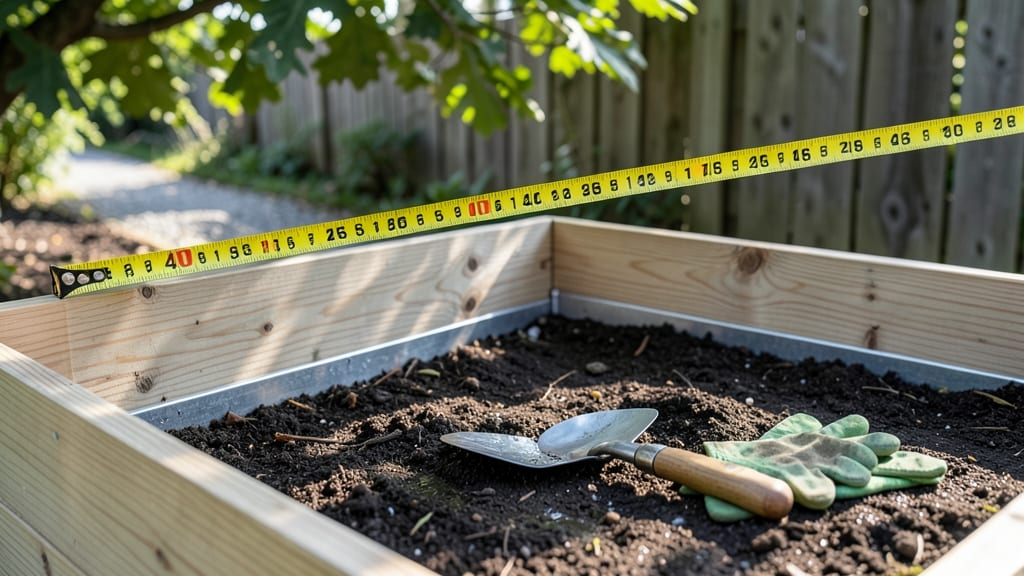
The standard raised bed size is 4 feet wide by 8 feet long, designed to maximize planting efficiency while ensuring easy access from all sides for comfortable gardening and maintenance.
The 4x8-foot standard isn't arbitrary—it balances ergonomics with productivity.
This width lets you reach the center without stepping inside, while the length provides enough growing space for most home gardens. 🌱 Studies show this size reduces wasted soil and makes weeding more efficient, plus it fits perfectly on standard pallets for easy material sourcing.
For larger gardens, you can connect multiple beds in a grid pattern to create bigger planting areas while keeping accessibility intact.
What's interesting is how this size adapts to different spaces. In urban gardens, you might opt for 2x4-foot beds to fit balconies, while larger farms often use 8x12-foot beds for high-volume production.
The key is maintaining that 4-foot width for easy maintenance—any wider, and you'll struggle to reach the center without compacting the soil.
💡 In This Article
- Why 4x8 Feet Is the Optimal Raised Bed Size
- Customizing Raised Bed Dimensions for Your Garden Layout
Why 4x8 feet is the optimal raised bed size
The 4-foot width of standard raised beds is a game-changer for accessibility. When you stand at the edge, your arm can comfortably reach the center without stepping inside—this means no soil compaction from walking on the bed.
Studies in horticultural engineering show that reaching 2 feet from the edge is effortless, but beyond 2.5 feet, your arm fatigue increases dramatically. A 4-foot width gives you that perfect 2-foot reach from both sides, making weeding, harvesting, and maintenance a breeze. 🌱
This width also maximizes soil efficiency. Raised beds lose heat faster than in-ground plots, so the 4-foot width ensures the soil stays warm enough for root development while minimizing edge effects where soil cools quicker.
The 8-foot length provides ample planting space without requiring excessive soil volume—enough for two rows of most vegetables with 12-18 inches of spacing between plants.
For example, a single 4x8-foot bed can comfortably grow 16 tomato plants in a square-foot gardening layout, compared to just 4 plants in a traditional in-ground row.
Weed control is another critical factor. The 4-foot width creates a natural barrier where weeds from surrounding soil can't easily invade. Mulching the bed edges further prevents weed seeds from blowing in.
The 8-foot length allows for long rows of crops like carrots or lettuce, where weeds can be more effectively managed with hoes or hand-pulling. This design reduces the need for herbicides while keeping your garden tidy.
The combination of width and length creates a self-sustaining ecosystem where plants thrive with minimal intervention. ✨
Yield optimization comes into play too. A 4x8-foot bed provides about 32 square feet of planting area—enough for a family of four to grow a significant portion of their vegetables for a season.
Compare that to a 3x6-foot bed (18 square feet), which would require nearly twice as many beds to produce the same yield. The standard size strikes the perfect balance between productivity and practicality, making it ideal for both backyard gardens and small-scale farms.
Material efficiency is another practical advantage. Most lumber comes in 8-foot lengths, so constructing a 4x8-foot bed uses standard-sized boards with minimal waste. Cedar or redwood, common choices for raised beds, are sold in 8-foot lengths, making this size particularly cost-effective.
The 4-foot width also aligns with common pallet dimensions, allowing for easy transport and assembly. This standardization reduces construction time and material costs, making raised gardening accessible to more people. 💫
What most gardeners don't realize is how this size adapts to different growing conditions. In cooler climates, the 4-foot width helps retain heat better than wider beds, while in hotter regions, the length can be adjusted to create shade for heat-sensitive crops.
The standard dimensions also work perfectly with drip irrigation systems, which are designed to cover 4-foot widths efficiently. This versatility ensures your raised bed performs well regardless of your location or climate zone.