
Shrubs
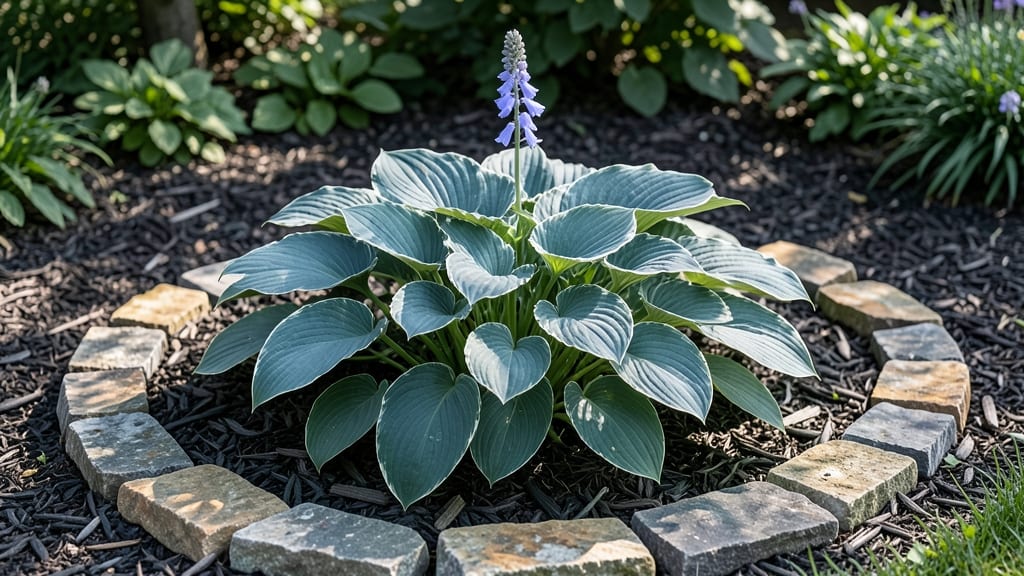
Shady spots don’t have to be boring—these shrubs thrive where others fail. 🌿 I’ve filled my own dark corners with lush, vibrant plants that bloom reliably even when sunlight is scarce, proving that shade gardens can be just as stunning as sun-drenched ones.
The secret lies in choosing the right plants—think inkberry holly for glossy evergreen leaves, hydrangeas for bold summer blooms, or pieris japonica for delicate spring flowers. These shrubs handle low light better than most, and many even tolerate wet soil, making them perfect for northern exposures or wooded areas.
With the right selection, your shady garden can burst with color year-round—deep greens in winter, cheerful blooms in spring, and rich foliage in fall. The best part? These plants require minimal fuss once established, so you get beauty without the upkeep.
Whether you’re working with a dense forest backdrop or a north-facing yard, these shade-tolerant shrubs will transform dull corners into lush, living tapestries. Let’s bring your darkest spots to life!
📚 In This Guide
- What you need
- Instructions
- Tips and common mistakes
- Wrapping up and next steps
What you need
- ● Shade-tolerant shrubs (choose 2–4 varieties): 1–2 Hostas (e.g., 'Blue Angel' or 'Halcyon') – Height: 12–36"
- ● 1 Hydrangea (Bigleaf or Oakleaf) – Height: 3–6 ft
- ● 1 Heuchera (Coral Bells) – Height: 12–24"
- ● 1 Ferns (e.g., Japanese Painted Fern or Maidenhair) – Height: 12–36"
- ● 1 Pieris japonica (Andromeda) – Height: 3–6 ft
- ● High-quality potting soil or garden soil: 5–10 gallons (amend with compost for nutrient-rich soil)
- ● Organic mulch: 2–3 inches (e.g., shredded bark or pine needles)
- ● Slow-release fertilizer: 1 lb (e.g., 10-10-10 or organic options like fish emulsion)
- ● Watering can or hose with a gentle spray nozzle
- ● Gloves and knee pads (for comfort and protection)
- ● Pruners (sharp, clean, and sterilized)
- ● Measuring tape or ruler (for spacing plants 12–36" apart)
- ● Soil pH test kit (to check acidity—ideal range: 5.0–6.5 for most shade shrubs)
- ● Epsom salt (magnesium sulfate) (for Heuchera and Hydrangeas)
- ● Mulch rings or landscape fabric (to keep mulch in place)
- ● Drip irrigation system (for consistent moisture in dry spells)
- ● Decorative rocks or pebbles (for a polished look around shrubs)
Step-by-step guide to planting shade-tolerant garden shrubs
Here's how to transform dark corners into vibrant, low-maintenance displays—no sun required!
🌱 Step 1: Select the Right Shrubs for Your Shade Level
Not all shade is equal—first, determine whether your spot gets partial shade (3-6 hours of dappled light) or full shade (less than 3 hours). For partial shade, try hydrangeas or azaleas—they thrive with morning sun and afternoon shade. In full shade, inkberry holly or Japanese pieris shine with minimal fuss.
I always check the plant tag for light requirements before buying. A common mistake is assuming "shade-tolerant" means "full shade" when some varieties need at least a little light. For example, rhododendrons love partial shade but wilt in deep darkness. Match your shrubs to the exact light conditions in your garden.
🪴 Step 2: Prepare the Planting Site with Amended Soil
Shade-tolerant shrubs still need well-draining soil—compacted or waterlogged soil will kill them. Loosen the soil to a depth of 12 inches using a garden fork, breaking up any hardpan. If your soil is heavy clay, mix in 3 inches of compost or peat moss to improve drainage.
Most shade plants prefer slightly acidic soil (pH 5.0-6.5). Test your soil with a kit—if it’s alkaline, add sulfur or pine needles to lower the pH before planting. I like to add a slow-release fertilizer (like 10-10-10) at planting time to give roots a nutrient boost without burning them.
☀️ Step 3: Plant at the Correct Depth and Spacing
Dig a hole twice as wide as the root ball but no deeper—planting too deep suffocates roots. Gently remove the shrub from its container and tease apart any circling roots. Place it in the hole so the top of the root ball sits level with the surrounding soil—never bury the stem.
Space shrubs according to their mature size: 3-4 feet apart for compact varieties like dwarf fothergilla, and 6-8 feet apart for larger shrubs like boxwood. Fill the hole with soil, pressing lightly to eliminate air pockets. Water deeply to settle the roots—1 gallon per plant is a good rule of thumb.
💧 Step 4: Water Consistently and Mulch for Retention
Shade plants often dry out slower than sun-lovers, but deep, infrequent watering is still key. Water once a week in the first month, then taper to every 10-14 days once established—unless you’re in a heatwave. Check soil moisture by sticking your finger 2 inches deep; if it’s dry, water again.
Spread 2-3 inches of mulch (like shredded bark or pine straw) around the base, keeping it 3 inches away from the stem to prevent rot. Mulch locks in moisture and keeps roots cool. I always reapply mulch in late winter to protect plants during cold snaps.
✂️ Step 5: Prune for Shape and Health in Early Spring
Most shade shrubs need minimal pruning, but a light trim in early spring keeps them tidy. Remove any dead, diseased, or crossing branches first—these can spread problems. For hydrangeas, cut back last year’s blooms to encourage new growth, but leave Japanese pieris alone until after flowering.
Shape the shrub by thinning out crowded branches from the center to improve airflow. Avoid heavy pruning—never remove more than 25% of the plant at once. I like to step back every few cuts to check the silhouette. After pruning, give the shrub a light watering to help it recover.
Tips & tricks for perfect shade-tolerant garden shrubs
Here's what nobody tells you about getting those dark corners to bloom like magic—these are the secrets that turn good plantings into showstopping displays!
Light Level Precision: That 3-6 hour partial shade window is critical! I've planted hydrangeas in spots that got only 2 hours of morning sun and watched them struggle. Use a light meter app for a week to track exactly how much light your area gets—it makes all the difference when selecting plants. For full shade areas (under 3 hours), inkberry holly and Japanese pieris are your safest bets—they'll actually thrive where others fade.
Soil Science Matters: The 12-inch deep soil loosening in Step 2 isn't just about drainage—it's about creating oxygen pockets for roots. I've seen plants wither in soil that looked fine on the surface but was compacted just 6 inches down. For clay-heavy soils, mix in that 3 inches of compost right into the hole, not just around it. And that pH 5.0-6.5 range? Test your soil first—many nurseries sell cheap test kits, and I've saved plants by adjusting pH before planting.
Planting Depth Secret: Burying the stem (even just an inch) can cause rot, but planting too high leaves roots exposed. Here's my trick: When placing the root ball, make sure the top edge aligns with the surrounding soil level. For container-grown plants, the soil line at the pot's surface is your guide. And that gallon of water per plant? Pour it slowly—roots need time to absorb moisture, not just get drenched.
Pruning Pro Tips: That early spring timing is perfect because it lets plants recover before summer heat. For hydrangeas, I cut back old blooms to about 6 inches from the ground—this encourages new growth while preserving the plant's shape. For Japanese pieris, I only remove dead branches, never touching the healthy ones. And that 25% pruning limit? It's not just a rule—it's about maintaining the plant's energy balance. I've learned this the hard way after over-pruning and watching plants take years to recover.
Pro Tips for The Best Shade
- Here's what nobody tells you about getting those dark corners to bloom like magic—these are the secrets that turn good plantings into showstopping displays!
- Light Level Precision: That 3-6 hour partial shade window is critical!
- Soil Science Matters: The 12-inch deep soil loosening in Step 2 isn't just about drainage—it's about creating oxygen pockets for roots.
Frequently asked questions
Got questions about finding the best shade for your garden? Here are some common ones—and the answers you need to keep your shrubs thriving in low-light spots.
What are the most low-maintenance shade-tolerant shrubs for beginners?
Start with hostas, heucheras, or Japanese painted ferns—they’re hardy, adaptable, and require minimal fuss. For year-round interest, inkberry hollies or dwarf rhododendrons are great choices with minimal pruning needs.
How long does it take for shade shrubs to establish and bloom?
Most shade-tolerant shrubs take 1–3 years to fully establish, with blooms appearing in the second year. Hydrangeas and azaleas may take slightly longer (2–4 years) but reward you with dramatic foliage and flowers once settled.
Can shade shrubs survive in total darkness, like under a dense tree?
No—even shade-loving plants need some indirect light (4+ hours of dappled sunlight). If your spot is pitch-black, opt for ferns or caladiums, which tolerate deeper shade, or consider artificial grow lights for struggling shrubs.
Do shade shrubs need special watering routines?
Yes! Shade can slow soil drainage, so water deeply once a week (or more in heatwaves) to prevent root rot. Mulch heavily (2–3 inches) to retain moisture. Dwarf fothergillas and pieris appreciate consistent moisture but hate soggy roots.
How can I mix shade shrubs for year-round color?
Layer evergreens (like boxwoods or inkberry hollies) for structure, spring bloomers (e.g., bleeding heart), and fall foliage stars (e.g., smoke bush or coral bells). Add heucheras for seasonal color shifts!
Wrapping up and next steps
Transforming those shady spots into lush, vibrant gardens is easier than you think!
With the right shade-tolerant shrubs, you can enjoy year-round color and texture—even in the darkest corners of your yard. 🌿 Whether you're drawn to the bold foliage of Hydrangea or the delicate blooms of Heuchera, these plants prove that shade isn’t a limitation, but an opportunity.
Ready to take the next step? Start small—pick one or two shrubs that suit your space and light conditions, then expand as you gain confidence. Grab your gloves, sketch a quick layout, and let your green thumb shine! Your future garden (and your neighbors!) will thank you.