
Vegetables
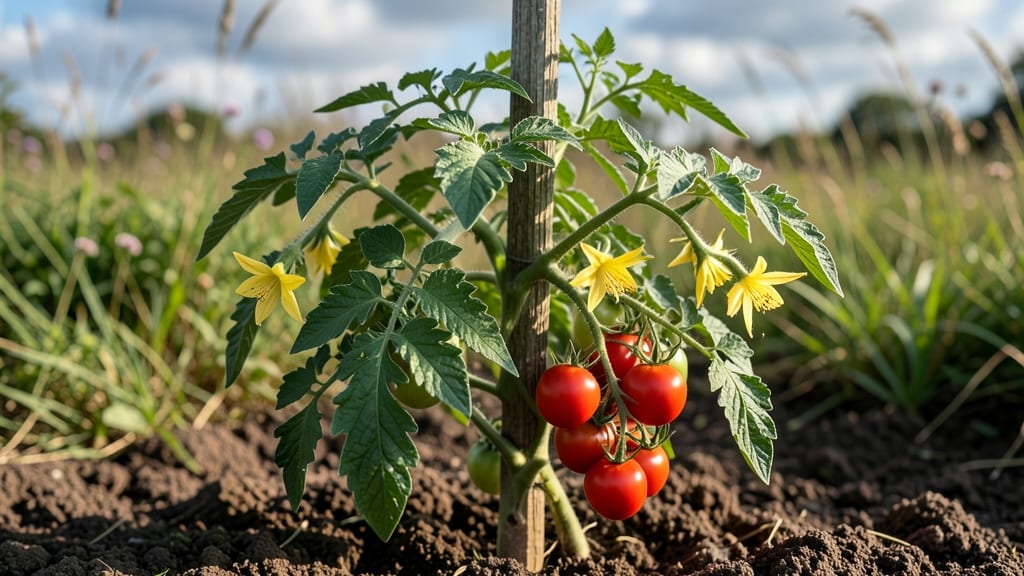
Tomatoes belong to the nightshade family (Solanaceae), sharing traits like compound leaves, berry fruits, and potential solanine toxicity in unripe green parts. Their adaptability in cooking comes from their balanced sweet-tart flavor and rich lycopene content, making them essential in global cuisine.
Nightshade family members like tomatoes, potatoes, and peppers all share a botanical connection through their berry fruit structure and compound leaf patterns. 🌱 What sets tomatoes apart is their culinary flexibility—they thrive in everything from fresh salads to slow-cooked sauces.
The solanine compounds, while harmless in ripe tomatoes, become a concern when consuming green parts, which is why proper ripening is key for both safety and flavor. Understanding these traits helps gardeners and cooks make the most of this versatile ingredient.
Beyond their botanical classification, nightshade tomatoes offer nutritional benefits like vitamin C and potassium while contributing vibrant color and texture to dishes. The lycopene in tomatoes isn't just for color—it's a powerful antioxidant that gives them their signature red hue.
Whether you're growing them in your garden or using them in recipes, recognizing these traits helps you maximize their potential while avoiding common pitfalls like underripe consumption.
💡 In This Article
- Botanical Traits of Nightshade Tomatoes
- Growing and Cooking Nightshade Tomatoes Safely
Botanical traits of nightshade tomatoes
Tomatoes fit perfectly into the nightshade family (Solanaceae) because of their compound leaf structure and berry fruit classification. Unlike simple leaves, tomato plants feature pinnate leaves with 5-9 leaflets arranged along a central stem, a hallmark of Solanaceae.
The fruit itself is botanically classified as a berry—meaning it develops from a single ovary and contains multiple seeds—just like potatoes (though potatoes are tubers) and peppers (which are true berries). 🌿 This shared fruit structure explains why tomatoes are grouped with these other crops genetically.
The nightshade family's defining chemical trait is the presence of alkaloids like solanine, which act as natural pesticides. In tomatoes, solanine concentrations peak in green, unripe fruit (up to 6 mg/g) but drop dramatically as the fruit ripens to 0.1 mg/g or less.
For comparison, potatoes contain about 2-5 mg/g of solanine in their skins, though cooking reduces this risk.
The bright red pigment in ripe tomatoes—lycopene—actually masks the presence of these compounds, making fully ripe tomatoes safe and delicious while green ones can cause mild gastrointestinal upset if consumed in large quantities.
What makes tomatoes unique among nightshades is their adaptable fruit morphology. While most Solanaceae produce small, hard berries, tomatoes evolved to develop large, fleshy fruits with thin skins that burst with juice when ripe.
This adaptation, driven by human cultivation over thousands of years, explains why tomatoes can range from 1 oz cherry tomatoes to 2 lb beefsteak varieties. The fruit's structure also contains locules (seed cavities) filled with gel-like tissue, which contributes to their juicy texture when cooked or eaten raw. 🍅
Genetic studies reveal tomatoes share 60% of their DNA with potatoes and 50% with peppers, explaining their similar growing requirements. All three thrive in warm climates (70-85°F), prefer well-draining soil with pH 6.0-6.8, and require 12-16 hours of sunlight daily.
This genetic kinship means pests like aphids or diseases such as late blight affect all three crops similarly, requiring identical prevention strategies like crop rotation and resistant varieties.
One fascinating trait is how tomatoes' fruit color changes signal ripeness. Chlorophyll (green) breaks down as lycopene (red) and carotenoids (orange/yellow) increase—a process triggered by the plant hormone ethylene.
This color shift isn't just visual; it's a chemical transformation that reduces solanine while boosting vitamin C (up to 30% more in ripe tomatoes) and antioxidant levels.
The same ethylene gas that ripens tomatoes also makes them sensitive to ethylene inhibitors like refrigeration, which is why storing them at 55-65°F preserves both flavor and nutritional integrity.
The nightshade family's most practical trait for cooks is tomatoes' versatile cell structure. Their parenchyma cells (soft, water-filled tissues) collapse when heated, releasing juices and intensifying flavors—a process that works beautifully in sauces or roasted dishes.
Meanwhile, their cuticle layer (the skin) contains waxes that prevent water loss, which is why properly ripened tomatoes stay firm longer than underripe ones.
This cellular architecture explains why heirloom tomatoes (with thicker skins) hold up better to slicing than modern slicers, which are bred for thinner skins and faster ripening.