
Shrubs
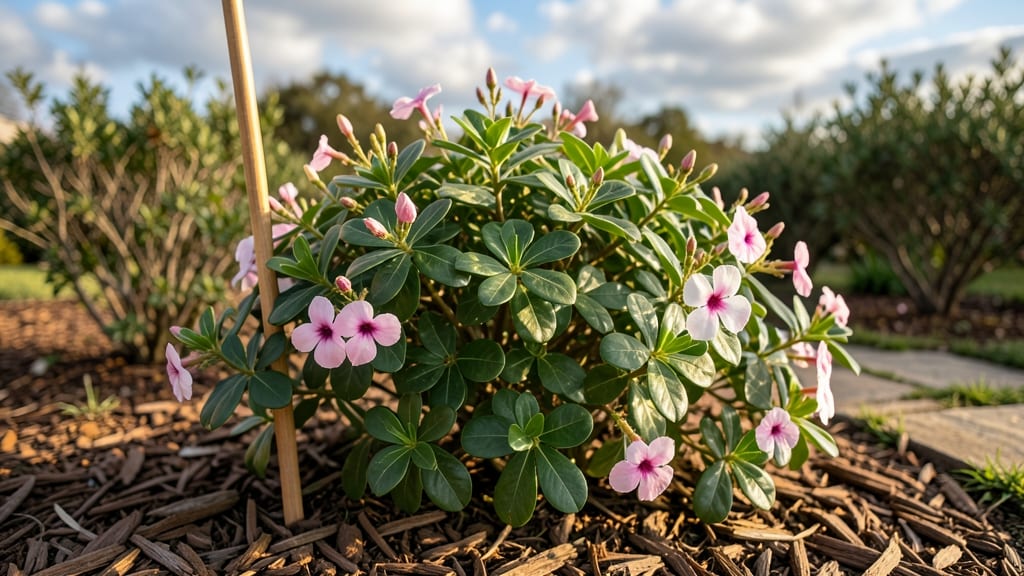
The vinca vine thrives best in sun or shade 🌿, but getting the light balance right makes all the difference between a lush, blooming ground cover and a struggling one.
Picture this: your vinca vine is supposed to be the star of your garden, but it’s either wilting in the afternoon heat or stretching leggy toward a dim corner. You’re not alone—many gardeners assume vinca vine is low-maintenance, but it actually has three key light zones where it performs best.
Whether you’re working with full sun, partial shade, or deep shade, the right placement can turn your vinca vine into a vibrant, low-fuss plant that blooms all season.
Below, I’ll break down the ideal conditions for each light zone, plus how to fix common mistakes that keep your vinca vine from reaching its full potential.
You’ll learn how to match your vinca variety to the light in your yard, spot signs of light stress, and even adjust for seasonal changes—so you can enjoy a thriving plant year after year.
 Best Window Placement
3 Ideal light zones for vinca vine growth and blooming
Vinca vine (Catharanthus roseus) is one of those resilient plants that can handle a range of light conditions—but not all zones are equal. In full sun, it thrives with vibrant blooms, while partial shade offers a compromise for hotter climates.
Surprisingly, even deep shade works, though with less intensity. The key lies in understanding how each zone affects your vinca’s foliage color, blooming frequency, and overall vigor.
Let’s break down the three ideal light zones and how to leverage them for the best results in USDA zones 5-11.
First, vinca vine isn’t picky, but it does have preferences. In full sun (6+ hours of direct light), you’ll see the most prolific blooming and deepest green foliage. However, in partial shade (3-6 hours of sun), the plant grows more slowly but stays healthier in scorching afternoons.
Meanwhile, deep shade (less than 3 hours of sun) forces vinca to focus on foliage over flowers, resulting in lush, broad leaves but fewer blooms. Your goal? Match the light zone to your climate and variety for optimal performance.
🌱 Comparison Table: Vinca Vine Light Zones
| Light Zone | Sun Exposure | Bloom Intensity | Foliage Color | Best For |
|---|---|---|---|---|
| Full Sun | 6+ hours direct | ⭐⭐⭐⭐⭐ (Vibrant, frequent) | Deep green | Hot, dry climates (Zones 7-11) |
| Partial Shade | 3-6 hours direct | ⭐⭐⭐⭐ (Moderate, consistent) | Medium green | Temperate zones (5-9), afternoon shade |
| Deep Shade | <3 hours direct | ⭐⭐ (Sparse, small blooms) | Lighter green | North-facing spots, dense canopies |
In full sun, vinca vine rewards you with bold, continuous blooms—but only if you’re in USDA zones 7-11. For cooler regions (zones 5-6), full sun can scorch tender leaves, so morning sun with afternoon shade is ideal.
The trade-off? Your vinca will produce fewer but larger flowers in these conditions, and the foliage stays a rich, glossy green. If you’re in zone 10 or 11, full sun is perfect, but mulch heavily to retain moisture.
For partial shade, think of it as the "Goldilocks zone" for vinca. This setup works beautifully in zones 5-9, where afternoon sun can be brutal. Here, your vine will grow more compact, with steady blooming and medium-green leaves.
The best spots? East-facing windows or dappled shade under trees. In partial shade, vinca also tolerates drought better than in full sun, making it a low-maintenance choice for busy gardeners.
Deep shade is where vinca vine stretches its limits. While it can survive here, expect leggy growth and minimal blooms. The foliage turns a paler green, almost grayish, as the plant focuses on reaching for light.
This zone works best in north-facing gardens or under dense canopies where little sunlight filters through. If you’re forced into deep shade, prune regularly to encourage bushiness and fertilize lightly in spring to stimulate growth.
Regional adjustments matter! In Southern climates (zones 9-11), vinca vine in full sun may need extra water to prevent leaf scorch, while in Northern zones (5-6), partial shade protects it from late spring frosts.
Always observe your plant’s leaf color—if it turns yellow, it’s getting too much sun; if it’s pale, it needs more light. The goal? Balance between light exposure and climate resilience for a vinca vine that thrives year after year.
Pro tip: Test your spot before planting. Use a light meter or simply watch how sunlight moves across your garden over a week. Vinca vine is forgiving, but consistency is key.
Whether you choose full sun, partial shade, or deep shade, your vinca will adapt—but it’ll perform best when you align its light zone with its natural preferences. Start with the right conditions, and you’ll enjoy lush foliage and endless blooms with minimal effort.
How to choose the best light spot for your vinca vine variety
Not all vinca vines are created equal—Vinca major and Vinca minor have different light preferences that directly impact their bloom intensity and foliage health. While both thrive in flexible conditions, Vinca major (greater periwinkle) handles more sun, while Vinca minor (lesser periwinkle) prefers dappled shade.
Let’s match your variety to the perfect light zone for peak performance.
Before planting, test your garden’s light conditions by observing leaf scorch or pale foliage in existing plants. Vinca vines signal distress through yellowing leaves in too much sun or leggy growth in insufficient light.
The key? Morning sun exposure (3-4 hours) works universally, while afternoon shade protects delicate leaves from heat stress.
🌿 Vinca Vine Light Matchmaker
- 🌞 Vinca major → Full sun to partial shade (6+ hours sun, blooms brightest in morning light)
- 🌳 Vinca minor → Partial to full shade (2-4 hours filtered light, prevents leaf burn)
- 🌿 Vinca 'Illumination' → Bright indirect light (variegated leaves need shade to retain patterns)
- ❄️ Winter light → South-facing windows (extend growing season indoors with grow lights)
- 🌱 Soil prep tip → Amend clay soil with compost to improve drainage for sun-exposed plants
For Vinca major, prioritize well-draining soil in sunny spots—this variety’s deep roots thrive when paired with organic mulch (3-4 inches) to retain moisture. In contrast, Vinca minor in shade benefits from acidic soil (pH 5.5-6.5) and leaf litter mulch to mimic forest-floor conditions.
Seasonal adjustments are critical: Move potted vinca to shadier spots in summer if leaves show bronzing edges, or gradually increase sun exposure in spring to avoid shock. A 30% shade cloth over full-sun areas can prevent heat stress during peak afternoons (1 PM–5 PM).
Pro tip: Prune leggy growth in spring to encourage bushier habits—this redirects energy toward new blooms rather than stretching for light. Use sterilized shears to cut back 1/3 of the plant after flowering fades. Pair this with a balanced fertilizer (10-10-10) in early spring for vibrant foliage.
Remember, vinca vines are drought-tolerant once established, but young plants need consistent moisture in their first year. Water deeply once weekly in sun, bi-weekly in shade, and always at soil level (not leaves) to prevent fungal diseases.
With the right light spot, your vinca will reward you with season-long blooms and lush ground cover year after year. 🌸