
Plants
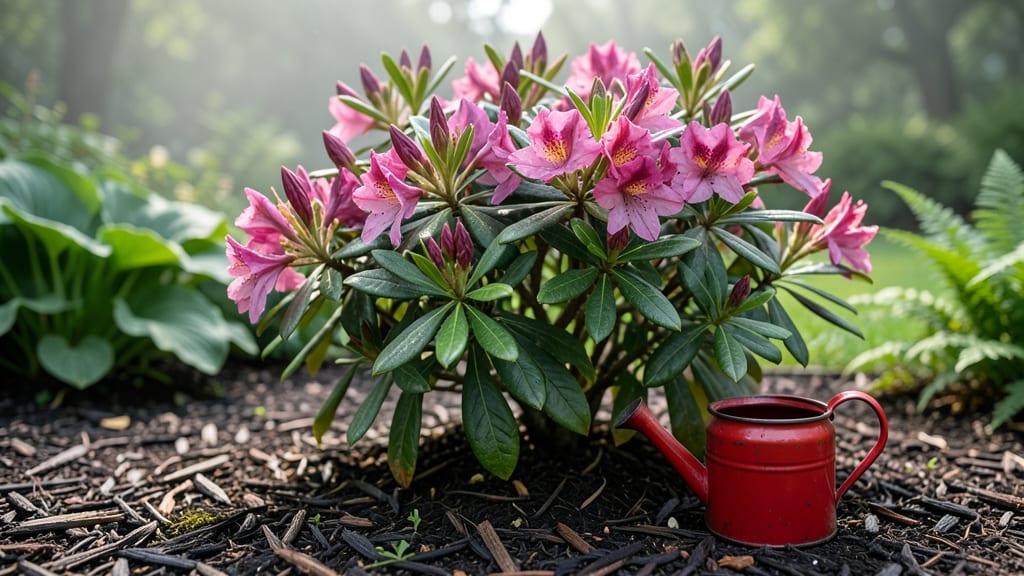
Mastering an azalea plant’s love of sun or shade is the secret to coaxing those showstopping blooms—yet get it wrong, and your shrub will stretch thin and pale.
Picture this: your azaleas look healthy in spring, but by summer, the edges of the leaves crisp like burnt toast. That’s your plant screaming for shade. Or maybe they’re just sitting there, stubbornly refusing to bloom, because they’re getting too much sun.
The key? Understanding how much light your azaleas really need — and how to tweak their care based on whether they’re basking in morning sun or hiding under a tree.
In USDA Zone 6a, where I’ve spent years experimenting with these finicky shrubs, the sweet spot is 3 to 6 hours of morning sun paired with afternoon shade. Too much direct sun? Leaf scorch. Too little?
Stunted growth and sparse flowers. I’ll walk you through how to spot the signs, adjust your garden layout, and even fix mistakes — whether you’re working with a sunny border or a shady corner.
Ready to transform your azaleas from lackluster to showstopping? You’ll learn how to read your plant’s light needs, the best companion plants to pair with them, and when to pull back the shade cloth before it’s too late.
 Best Window Placement
Ideal sunlight conditions for azalea plants: finding the perfect balance
Azaleas thrive in partial shade, but their exact light needs depend on your climate zone and local microclimates. Too much direct sun causes leaf scorch, while insufficient light leads to poor blooming.
Understanding the balance between morning sun and afternoon shade is key to keeping your azaleas vibrant and healthy year after year.
In most regions, azaleas prefer 3-6 hours of morning sun followed by dappled shade in the afternoon. This pattern mimics their natural habitat in woodland understories, where they receive filtered sunlight.
However, your latitude plays a huge role—northern gardens can handle slightly more sun, while southern climates require extra shade protection.
Here's how to assess your garden's sunlight patterns before planting. Observe your space for at least 24 hours to track how sunlight moves throughout the day. Note where shadows fall from trees, fences, or buildings, as these create natural shade zones perfect for azaleas.
🌿
| Light Condition | Ideal Sun Exposure | Best For | Regional Adaptations |
|---|---|---|---|
| Morning Sun | 3-4 hours (6 AM - 10 AM) | All azalea varieties | Northern climates (Zones 5-7) |
| Dappled Shade | 4-6 hours filtered light | Southern climates (Zones 8-10) | Use shade cloth (30-50%) |
| Afternoon Shade | 2-3 hours (1 PM - 4 PM) | Heat-sensitive varieties | Plant near deciduous trees |
| Full Shade | Less than 3 hours direct sun | Northern exposures or dense forests | Use shade-tolerant varieties |
| Full Sun | 6+ hours direct sun | Avoid completely | Risk of leaf burn in all zones |
For gardeners in hotter climates (Zones 8-10), afternoon shade is non-negotiable. I once had azaleas in full morning sun in Georgia that thrived until summer—when the 3 PM sun turned their leaves crispy within weeks. Moving them to a north-facing window or under a lightweight shade cloth saved them.
If you're in a cooler climate (Zones 3-6), azaleas can tolerate more sun, especially if they receive afternoon shade from deciduous trees like maples or oaks. These trees provide seasonal shade that automatically adjusts as leaves grow in spring and fall.
Container-grown azaleas need even more attention to light conditions. Since pots have limited root zones, they overheat faster in direct sun. Place them on patio surfaces that reflect heat, or use self-watering containers with shade covers during peak afternoon hours.
🌸
To test your garden's sunlight, use a simple shadow mapping technique. Place a stake in your planting area at solar noon (around 12 PM) and mark where its shadow falls every hour.
This helps identify microclimates where azaleas might thrive in spots that receive only 2-3 hours of sun but still get bright indirect light.
Remember that young azaleas are more sensitive to light stress than mature plants. When transplanting, give them extra shade for their first growing season to help them establish strong root systems. Gradually introduce them to more sunlight over time as they mature.
🪴
Shade solutions for azaleas: how to protect them without sacrificing blooms
Azaleas thrive in partial shade, but finding the right balance can be tricky. Too much direct sun causes leaf scorch, while insufficient light weakens blooms. The key is creating filtered sunlight that protects delicate foliage while supporting vibrant flowers.
Let's explore practical solutions to keep your azaleas happy without compromising their stunning displays.
First, consider your local climate. In hot, southern regions, even morning sun can be intense, while cooler northern areas may need more light exposure. Azaleas naturally grow under forest canopies, where dappled light filters through leaves.
Recreating this environment in your garden is the goal—whether through natural or artificial means.
- 🌳 Layered Tree Canopies: Plant tall deciduous trees like dogwood or maple to provide natural shade. Their branches create moving shadows that mimic forest conditions.
- 🛡️ Shade Cloths: Use 30-50% shade cloth (lighter for hot climates) to diffuse sunlight. Install 4-6 feet above plants to avoid blocking airflow.
- 🪴 Companion Planting: Surround azaleas with tall perennials like hostas or ferns to create natural shade at their base.
- ⏰ Seasonal Adjustments: Remove shade cloths in early spring to encourage blooming, then reapply in late spring as sun intensifies.
- 🌸 Shade-Tolerant Varieties: Choose 'Girard's Rose' or 'Hino Crimson' for deeper shade. These varieties handle less than 3 hours of sun without stress.
Avoid common mistakes like placing azaleas under evergreen trees, which block all light year-round. Also, never use black plastic mulch—it absorbs heat and damages roots. Instead, opt for organic mulch like pine straw to maintain soil moisture and temperature.
For container-grown azaleas, position them on patio edges where they receive morning sun but afternoon shade from nearby structures. If using shade cloths, secure them tightly to prevent flapping, which can damage tender leaves. Always water thoroughly after installing new shade structures to help plants adjust.
Monitor your azaleas' response to shade adjustments. Healthy leaves should remain dark green, while new growth indicates successful adaptation. If blooms become sparse, increase light exposure gradually. Remember, azaleas are adaptable—with the right shade strategy, they'll reward you with season-after-season color.
Pro tip: Prune nearby branches in late winter to adjust shade patterns before the growing season begins. This gives your azaleas the perfect light environment from day one. With these solutions, your azaleas will flourish—no more struggling between sun and shade! 🌿