
Light Requirements
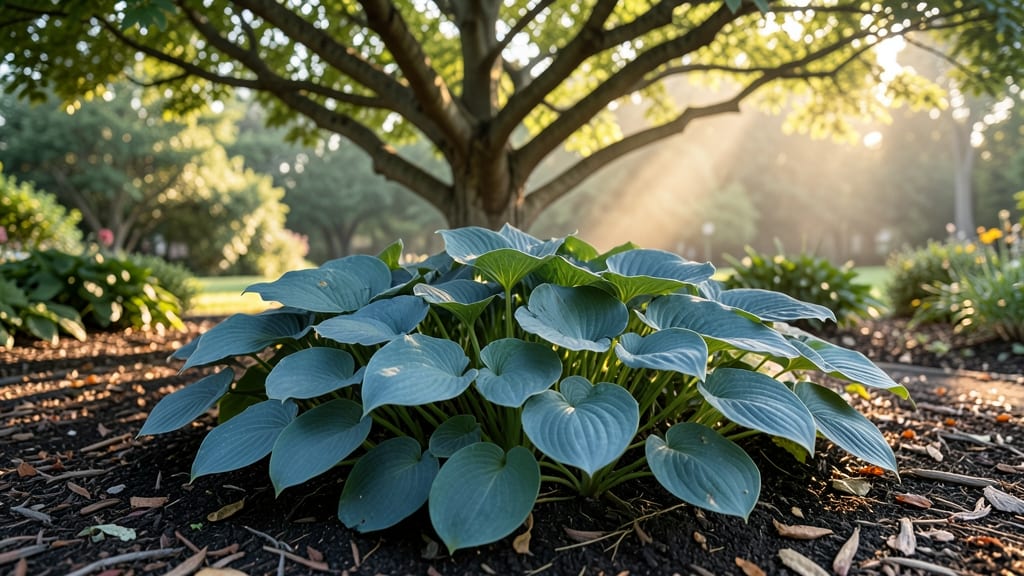
To define part shade properly is to understand the ideal 3–6 hours of sunlight daily—the perfect balance where many plants finally flourish. 🌿 I used to struggle with leggy, weak foliage until I learned to match plants to their light needs.
Hostas, ferns, and astilbes practically glow in these conditions, while sun-lovers like tomatoes would bolt in the same spot. The key is observing your garden: check light patterns for 2-3 hours on a sunny afternoon.
North-facing spots get less sun, while east or west sides offer morning or afternoon light—perfect for part-shade plants. A simple trick? Use a whiteboard to track sunlight hours over a week. You’ll see richer colors, bushier growth, and fewer stress signals like yellowing leaves.
Even sun-worshippers like peppers tolerate part shade if given afternoon relief. The right plant in the right light transforms a struggling patch into a lush, low-maintenance garden. Start by swapping sun-lovers for shade-tolerant varieties in tricky spots.
A quick test: if your hand casts a shadow at noon, that’s likely full sun. If the light is dappled or fades by midday, you’ve found your part-shade zone. Let the plants guide you!
📚 In This Guide
- What you need
- Instructions
- Tips and common mistakes
- Wrapping up and next steps
What you need
- ● Plants: Choose part-shade-tolerant varieties like hostas, ferns, astilbes, or impatiens (check tags for light requirements!).
- ● Soil: 1–2 bags of well-draining, organic potting mix (e.g., Miracle-Gro Garden Soil or FoxFarm Ocean Forest).
- ● Containers (if needed): Pots with drainage holes (6–12" diameter, depending on plant size).
- ● Garden trowel or shovel (for planting).
- ● Gloves (to protect your hands).
- ● Watering can or hose (with a gentle spray nozzle).
- ○ Mulch (optional): 1–2 bags of pine bark or shredded leaves to retain moisture.
- ○ Light meter (optional): To measure foot-candles (ideal: 100–500 ft-c for part shade).
- ● Test your spot: Observe how sunlight shifts throughout the day—morning sun + afternoon shade is ideal! 🌞🌙
- ● Avoid full shade: Plants like coleus or caladiums need some light to bloom.
- ● Adjust over time: Rotate containers or prune nearby trees to fine-tune light exposure.
Understanding part shade: the gardener's light guide
Mastering part shade is the secret to unlocking a thriving garden—here's how to decode it and use it to your advantage.
☀️ Step 1: Decode the Light Spectrum
Part shade isn't just "some sun"—it's a precise balance. Most gardeners define it as 3-6 hours of direct sunlight daily, with the rest dappled or filtered light. Think of it like a sunbathing schedule: too much burns, too little starves. I always start by observing my garden's light patterns for a week—note when shadows shift and how long they linger.
Morning sun (before 10 AM) is gentler than afternoon rays, so east-facing spots often qualify as part shade even with 6+ hours of light. Use a light meter or your phone's brightness app to measure intensity—10,000-20,000 lux is ideal for most part-shade plants. If your area exceeds that, you're dealing with full sun, not part shade.
🌿 Step 2: Map Your Garden's Microclimates
Every garden has hidden light zones—start by walking through with a notepad. Note where sunlight hits at midday (when shadows are shortest) and trace their paths. Buildings, trees, and even fences create part-shade pockets. I mark these with colored flags: yellow for morning sun, blue for afternoon, and green for filtered light.
Pay special attention to northern exposures—they often receive only indirect light. If your spot gets no direct sun but bright indirect light all day, it's part shade. The key difference? Direct sun casts sharp shadows; part shade has soft, diffused light that moves gradually. Test with a white sheet—if shadows are fuzzy, you've got part shade.
✂️ Step 3: Select Plants for Each Shade Variation
Not all part shade is equal—divide it into light part shade (4-6 hours sun) and deep part shade (2-3 hours sun). For light part shade, choose hostas, astilbes, or coral bells—they thrive with morning sun and afternoon shade. Deep part shade demands ferns, hellebores, or lungwort, which tolerate minimal direct light.
I always group plants by their light needs to avoid stress. For example, place heucheras near east windows for morning sun, then add impatiens beneath them for dappled shade. Watch for leaf scorch (brown edges) or leggy growth—both signal your plant isn't getting the right light balance. Adjust by moving pots or pruning nearby branches to filter light further.
🌱 Step 4: Adjust for Seasonal Light Changes
Part shade shifts with the seasons—summer sun is harsher, winter light softer. In summer, prune back aggressive branches to reduce direct sunlight by 20-30%. I use a light meter to track changes: if readings spike above 25,000 lux in summer, add a light-colored shade cloth (30% block) to mimic part shade.
Winter brings longer shadows—what was part shade in summer may become full shade. Monitor plants like coleus or impatiens, which wilt if suddenly deprived of light. If you notice stretched stems or pale leaves, supplement with a grow light for 4-6 hours daily until spring. The goal is consistency: 3-6 hours of light year-round, adjusted for seasonality.
🪴 Step 5: Test and Refine Your Part-Shade Garden
After planting, observe for 30 days—this is your trial period. Note which plants thrive and which struggle. If hostas develop yellow leaves, they're getting too much sun; if ferns wilt, they need more moisture in the drier part-shade conditions. I keep a light journal with weekly photos to track changes.
Refine by rotating pots quarter-turns weekly to ensure even light exposure. For deep part shade, add reflective surfaces (like white gravel) to bounce light deeper into the garden. The ultimate test? A healthy plant with consistent growth—no burnt edges, no leggy stems, and vibrant foliage. That's your confirmation you've nailed part shade.
Tips & tricks for mastering part shade gardens
Here's what nobody tells you about creating the perfect part-shade environment—these are the secrets that separate thriving gardens from struggling ones.
Light Measurement Matters: That 10,000-20,000 lux range from Step 1 is your golden zone, but don't rely on memory—actually measure! I use my phone's brightness app during midday to verify zones. If readings consistently hit 25,000 lux or higher, you're dealing with full sun conditions, not part shade. The key is consistency: test at multiple times of day, especially during summer's peak intensity around noon.
Seasonal Adjustments Are Non-Negotiable: The 20-30% pruning recommendation in Step 4 isn't just optional—it's essential for summer survival. I've seen gardens where summer sun burned plants that thrived in spring, simply because the gardener didn't adjust. For winter, that 4-6 hours of grow light becomes your lifeline for light-deprived plants like coleus. The goal is maintaining that 3-6 hour daily average year-round, not just during one season.
Plant Pairing Prevents Problems: Grouping plants by their specific light needs (like heucheras with morning sun and impatiens beneath) creates a self-regulating ecosystem. I've noticed that when you mix light part shade plants (4-6 hours) with deep part shade varieties (2-3 hours) in the same bed, the deeper shade plants get "sunburned" by the dappled light meant for their neighbors. The solution? Create distinct zones or use taller plants as natural shade providers for shorter varieties.
The 30-Day Trial Period Is Your Safety Net: Don't skip this! That observation window in Step 5 exists for a reason—it's when you'll spot the subtle signs of light imbalance. Yellowing hosta leaves or wilting ferns reveal your part shade zones aren't quite right. I keep a simple spreadsheet tracking each plant's response to light, color changes, and growth patterns. This becomes your living light map that you can reference for years.
Pro Tips for Define Part Shade
- Here's what nobody tells you about creating the perfect part-shade environment—these are the secrets that separate thriving gardens from struggling ones.
- Light Measurement Matters: That 10,000-20,000 lux range from Step 1 is your golden zone, but don't rely on memory—actually measure!
- Seasonal Adjustments Are Non-Negotiable: The 20-30% pruning recommendation in Step 4 isn't just optional—it's essential for summer survival.
Frequently asked questions
What exactly does "part shade" mean?
Part shade means plants receive 3–6 hours of direct sunlight daily, usually in the morning or late afternoon, with dappled shade or filtered light for the rest of the day. Think of it as a balanced diet of sun and shade—not too much, not too little!
How do I know if my garden is part shade?
Test it! Observe your space for a full day. If leaves on nearby plants show some browning (too much sun) but also yellowing (too little), you’re likely in part shade. Alternatively, use a sunlight tracker app to log light exposure.
Can I grow sun-loving plants in part shade?
Most sun-loving plants (like tomatoes or lavender) will struggle in part shade, but some adaptable varieties (e.g., coleus, impatiens, or hostas) thrive with morning sun + afternoon shade. Check plant tags for flexibility!
What if my plants look stressed in part shade?
Stress signs? Yellow leaves = too little light; crispy edges = too much heat. Try gradual adjustments—move pots to sunnier spots or prune nearby trees for better airflow. Mulch can also help regulate soil temperature.
Is part shade the same as dappled shade?
Close, but not identical! Part shade = 3–6 hours of direct sun, while dappled shade = filtered light (e.g., under a tree canopy) with little to no direct rays. Think of it like the difference between sunbathing vs. lounging under an umbrella.
Wrapping up and next steps
Understanding part shade is your secret weapon for a lush, thriving garden—even in tricky light spots! 🌿 Whether you’re dealing with dappled sunlight or filtered shade, the right plants and placement can make all the difference.
Now that you’re armed with the define part shade know-how, it’s time to roll up your sleeves and experiment.
Start by auditing your garden’s light conditions, then pick plants that match your microclimates. Need inspiration? Visit local nurseries or join gardening communities to swap tips. Your green oasis is just a few steps away—happy planting! 🌱