
Planting
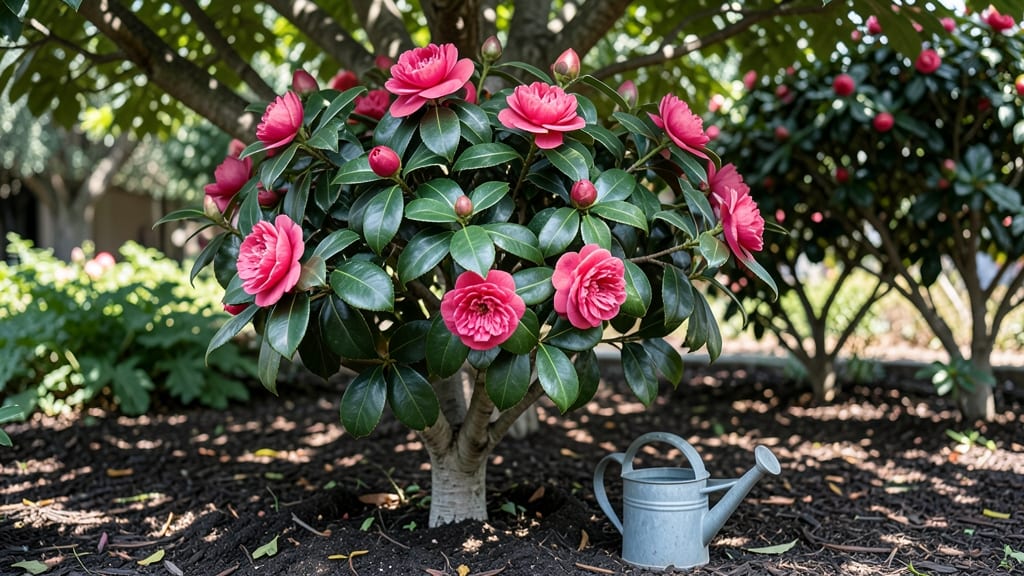
A camellia plant thrives in sun or shade, where gentle morning light and afternoon respite create the perfect balance for vibrant blooms and lush foliage.
Picture this: your camellia basking in the soft glow of dawn, then retreating from the midday heat—this isn’t just ideal, it’s essential.
Too much sun scalds the leaves, while too little shade stunts the flowers, leaving you with a shrub that looks more like a sad sapling than the showstopper you planted.
But here’s the twist: not all camellias are created equal. Some varieties, like Camellia japonica, crave that filtered light, while others, such as Camellia sasanqua, can handle a bit more sun—if you play it smart with afternoon shade.
I’ll break down the exact light conditions your camellia needs, plus how to tweak care based on your climate, so you can finally stop guessing and start growing.
From identifying the perfect spot in your yard to troubleshooting those telltale signs of light stress, you’ll learn how to give your camellia exactly what it craves—no more, no less. Let’s get those blooms popping!
 Best Window Placement
How sunlight vs. shade affects Camellia bloom time and flower quality
Camellias are prized for their stunning blooms, but their light requirements can drastically alter flowering seasons and bloom quality. Unlike sun-loving plants, camellias thrive in partial shade, where they receive filtered light.
Too much direct sun can scorch leaves, while too little shade delays blooming and reduces flower size. Understanding these nuances ensures your camellia stays healthy and vibrant year-round.
In the Southern U.S. (Zones 7-10), camellias often bloom from fall to winter when temperatures are mild. Here, afternoon shade is crucial to prevent heat stress.
Meanwhile, in Northern U.S. (Zones 6-7), blooms typically appear in late winter to spring, requiring more shade to protect against early-season sun intensity. The key is balancing light exposure to match your region’s climate.
Light intensity directly impacts flower production. Camellias in partial shade (4-6 hours of dappled light daily) produce larger, more abundant blooms compared to those in full sun or deep shade. Full sun can cause leaf burn, while deep shade may lead to sparse, smaller flowers. The goal is to mimic their natural understory habitat in East Asian forests.
Regional adjustments are essential. In hot climates like Florida or California, afternoon shade (e.g., near a west-facing wall) prevents wilting. In cooler climates like Washington or Oregon, morning sun and afternoon shade work best. Always observe your camellia’s leaves: yellowing or browning edges signal incorrect light exposure.
| Light Condition | Bloom Time | Flower Size | Leaf Health | Best For |
|---|---|---|---|---|
| Full Sun (6+ hrs) | Delayed, sparse | Small, fewer blooms | Burned edges | Avoid in most climates |
| Partial Shade (4-6 hrs) | Optimal, seasonal | Large, abundant | Healthy, glossy | Ideal for all regions |
| Full Shade (<4 hrs) | Late, minimal | Small, leggy growth | Pale, sparse | Northern climates only |
If your camellia receives too much sun, relocate it to a spot with filtered light (e.g., under a tree with sparse branches). Use light-colored shade cloth (30-50% coverage) for gradual acclimation.
Conversely, if it’s in deep shade, gradually introduce more light to avoid shocking the plant. Move it incrementally over weeks to prevent leaf scorch.
Seasonal light changes also matter. In summer, camellias may need extra shade to avoid heat stress, while in winter, they can tolerate slightly more sun. Monitor your plant’s response: increased bud drop or yellowing leaves indicate light adjustments are needed.
A well-lit camellia will reward you with bold, long-lasting blooms and lush foliage.
For container-grown camellias, rotate pots every few weeks to ensure even light exposure. This prevents one-sided growth and ensures balanced blooming. Place containers near east-facing windows or under patio umbrellas for consistent partial shade. Avoid south-facing windows, which can intensify sunlight and cause leaf damage.
In humid climates, like the Southeast, camellias benefit from morning sun and afternoon shade to prevent fungal issues. In dry climates, such as Arizona, mulch around the base to retain moisture and reduce stress from fluctuating light conditions.
These regional tweaks ensure your camellia thrives regardless of where you garden.
Remember, camellias are not one-size-fits-all. While most prefer partial shade, some varieties—like Camellia sasanqua—tolerate slightly more sun. Always check your specific variety’s needs and adjust accordingly. With the right light balance, your camellia will bloom beautifully for years to come.
Best light conditions for Camellia varieties: a location guide
Not all camellias crave the same light—your Camellia japonica may need gentle morning sun, while Camellia sasanqua might tolerate more afternoon shade. Understanding these differences ensures your plants bloom abundantly year-round. Let’s break down the ideal light conditions for each variety and how to adjust for your microclimate.
Most camellias thrive in partial shade, meaning they need protection from the harsh afternoon sun that can scorch delicate leaves. However, some varieties—like Camellia reticulata—can handle more sunlight, especially in cooler climates.
The key is balancing light exposure to match your plant’s native growing conditions and your local climate.
| Variety | Ideal Light | Climate Notes | Bloom Season |
|---|---|---|---|
| Camellia japonica | Morning sun, afternoon shade | Needs afternoon shade in hot zones (Zones 7-10) | Winter to early spring |
| Camellia sasanqua | Partial shade to full sun | Tolerates more sun in cooler climates (Zones 7-9) | Fall to winter |
| Camellia reticulata | Full sun with afternoon shade | Best in cooler, coastal climates (Zones 7-8) | Winter |
| Camellia oleifera | Partial shade | Adapts to humidity; avoid dry heat | Spring |
For Camellia japonica, the golden rule is morning sun and afternoon shade, especially in hot climates like Zone 9 or 10. If your garden gets intense afternoon sunlight, consider planting near a tall tree or building to create natural shade.
In cooler regions like Zone 7, these camellias can handle more light, but their blooms may fade faster in direct sun.
If you’re growing Camellia sasanqua, which blooms in late fall and winter, they’re more adaptable to full sun—but only if your climate is mild. In areas with hot summers, provide afternoon shade to prevent leaf burn.
These varieties often thrive in coastal gardens where humidity and mild temperatures create ideal conditions.
Seasonal adjustments matter too. In summer, even shade-loving camellias may need extra protection from intense light. Use lightweight shade cloth (30-50%) if your plants show signs of stress, like yellowing leaves or wilting.
In winter, when days are shorter, move potted camellias to a sunnier spot to maintain their energy reserves for spring blooming.
Pro tip: Observe your camellia’s leaves—they’re the best indicator of light needs. Dark green leaves with a glossy finish mean they’re happy, while pale or yellowing leaves signal too much sun.
Adjust gradually to avoid shocking the plant, especially if you’re moving it from shade to more light or vice versa.