
Shrubs
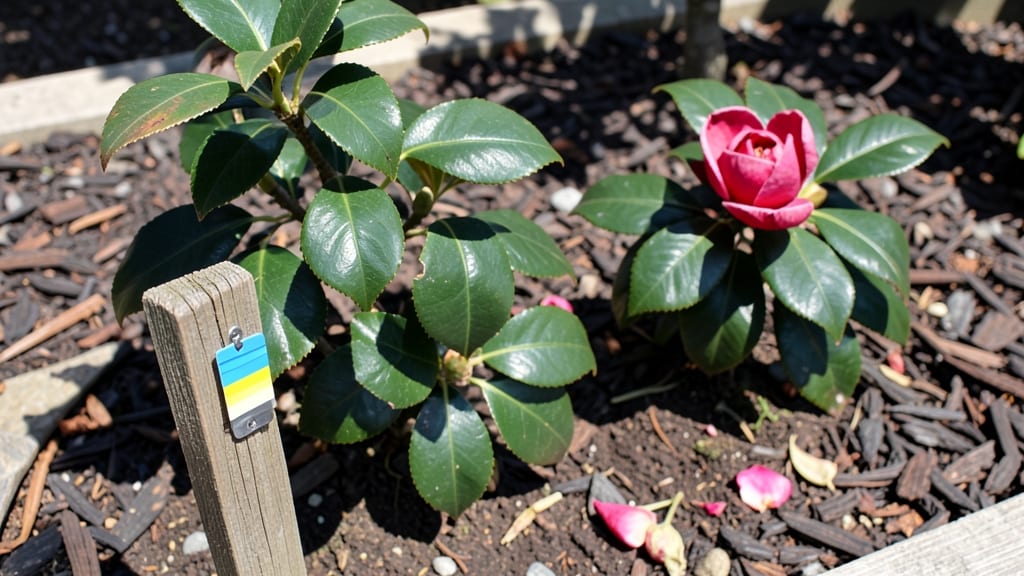
Camellias thrive best in shade or partial sun, where their delicate blooms stay vibrant and their glossy leaves stay lush.
Picture this: your 🌸 camellia stands tall, its branches heavy with flowers, while others in full sun wilt by midday. The difference isn’t luck—it’s light. Too much sun scorches their petals, while too little shade stunts their growth.
But here’s the secret: most camellias prefer morning sun and afternoon shade, mimicking their native understory habitats.
Whether you’re in USDA Zone 6a or 10a, the key is creating the right microclimate. That means dappled shade from trees, windbreaks, and even strategic mulching to keep roots cool.
I’ll walk you through how to spot the perfect spot in your garden—and what to watch for when it’s wrong.
Ready to unlock year-round blooms? You’ll learn how to adjust care by variety, fix common light mistakes, and even troubleshoot why your camellia might be struggling. Let’s get started.
 Best Window Placement
How much sun or shade do camellias need by variety?
Camellias thrive in specific light conditions that vary by species, but most prefer dappled sunlight or partial shade. Understanding these needs ensures vibrant blooms and lush foliage. Camellia japonica, for example, loves filtered light, while Camellia sasanqua handles slightly more sun.
Regional climates also play a role—coastal areas may need more shade to prevent leaf burn, while inland gardens benefit from morning sun. Let’s break down the ideal light exposure for popular varieties.
Not all camellias are created equal when it comes to sunlight. Camellia japonica, the classic winter bloomer, struggles in harsh afternoon sun, while Camellia sasanqua, a fall bloomer, tolerates a bit more light. Camellia oleifera, grown for its oil-rich seeds, prefers partial shade to avoid stress.
Even within a species, leaf color matters—dark green varieties often tolerate more shade than variegated types with lighter foliage. Always observe your plant’s response to adjust placement.
Here’s a quick comparison of sun/shade needs for the most common camellia varieties:
| Variety | Ideal Sunlight | Bloom Season | Regional Adaptation | Leaf Color Impact |
|---|---|---|---|---|
| Camellia japonica | Partial shade (2-4 hrs direct sun) | Winter to early spring | Coastal: more shade; inland: morning sun | Dark green: tolerates shade; variegated: needs light |
| Camellia sasanqua | Partial sun to partial shade (4-6 hrs light) | Fall to early winter | Warmer zones: more sun; cooler zones: shade | Bright green: handles sun; silver variegated: avoid direct sun |
| Camellia oleifera | Full shade to partial shade (2-3 hrs light) | Spring (non-showy flowers) | Tropical zones: shade; temperate: morning sun | Deep green: thrives in shade; yellow-green: needs light |
| Camellia reticulata | Partial shade (3-5 hrs light) | Winter (large blooms) | Coastal: shade; inland: filtered sun | Reddish leaves: tolerate sun; green: avoid direct light |
For Camellia japonica, the gold standard of camellias, aim for 2-4 hours of morning sun with afternoon shade. This variety’s thick, glossy leaves are prone to leaf scorch in intense afternoon rays, especially in hot climates.
In USDA zones 7-9, position it near a north-facing wall or under a deciduous tree that sheds leaves in summer. If you’re in zone 10, provide afternoon shade with a lattice or sheer fabric to filter harsh sunlight.
If you’re growing Camellia sasanqua, which blooms in fall, it’s more adaptable to partial sun (4-6 hours of light). This variety often thrives in urban gardens where space is limited, as it tolerates reflected light from buildings.
In cooler climates (zones 6-8), give it morning sun and afternoon shade to prevent winter damage. For warmer zones (9-10), it can handle more sun, but avoid the harsh midday glare that causes brown leaf edges.
Camellia oleifera, primarily grown for its seeds and oil, prefers full to partial shade (2-3 hours of light). Its leaves are thinner and more sensitive to sun exposure, making it ideal for understory planting under tall trees. This variety does well in humid, tropical climates but struggles in dry heat. If you’re in a drier region (zones 7-9), mulch heavily and water consistently to replicate its native moist conditions.
Seasonal adjustments are key for camellias. In summer, provide extra shade to protect blooms and foliage from heat stress. In winter, especially in colder zones, ensure some morning sun to prevent bud drop.
For container-grown camellias, rotate pots every few weeks to ensure even light exposure, as they can become lopsided if exposed to one-sided sunlight. A simple trick is to place them near a north-facing window indoors during extreme heat or cold snaps.
One common mistake is assuming all camellias need the same light. Variegated varieties, like those with cream or pink edges, require more light to maintain their coloration, while solid dark green types can thrive in deeper shade.
Always start with the recommended light range for your specific variety and adjust based on leaf color and bloom quality. If your camellia’s leaves turn yellow or crispy, it’s likely getting too much sun—move it to a shadier spot immediately.
In coastal gardens, where
Creating the perfect microclimate for camellias in your garden
Camellias thrive in mimicked understory conditions, where they receive dappled sunlight and protection from harsh elements. In their native habitats of East Asia, they grow beneath canopy trees that filter sunlight while maintaining high humidity. Recreating this environment in your garden ensures vibrant blooms and healthy foliage year-round.
For most gardeners, achieving this balance means combining partial shade with strategic plant placement. Urban gardens often lack natural shade, but solutions like DIY shade structures or container growing can replicate ideal conditions.
The key is understanding how to manipulate light exposure, wind protection, and soil moisture to match camellias' natural needs.
- Tree Canopy: Plant under deciduous trees like maple or oak for seasonal light control.
- Lattice Screens: Install shade cloth (30-50%) on south/west sides of containers.
- Urban Hacks: Use sheer curtains on patio walls or bamboo screens for filtered light.
- Windbreaks: Plant bamboo or boxwood hedges to reduce leaf scorch.
- Mulch Layer: Apply 3-4" pine bark mulch to retain moisture and humidity.
- Container Tip: Group pots together to create micro-humidity zones.
- Acidic Mix: Amend soil with peat moss or sulfur to maintain pH 5.0-6.0.
- Root Zone: Add composted pine needles for natural acidity.
- Drainage: Elevate containers with feet or gravel layers to prevent root rot.
In small yards, prioritize morning sunlight exposure while shielding plants from afternoon sun, which can cause leaf burn. For example, place camellias near east-facing walls or under partial shade trees like dogwoods.
If your space lacks natural shade, consider portable shade sails or adjustable trellises to create flexible light zones.
Mulching is a game-changer for camellias, especially in hot climates. A 3-inch layer of organic mulch (like pine straw or wood chips) keeps roots cool, retains moisture, and gradually acidifies the soil.
For container growers, mix 50% peat moss into potting soil to mimic the acidic forest floors camellias prefer. Always mulch around—but never against—the stem base to prevent rot.
Don't overlook the power of group planting. Cluster camellias with companion plants like azaleas, rhododendrons, or ferns to create a self-sustaining microclimate. These plants share similar water and shade needs, reducing maintenance while boosting humidity.
In containers, place pots on gravel trays filled with water to increase ambient moisture around the roots.
Remember, camellias are adaptable—they'll adjust to slight variations in light if transitioned gradually. If you notice leaf yellowing or fewer blooms, it's time to tweak their microclimate.
The goal is consistency: protect them from extreme heat or cold, keep soil evenly moist, and provide gentle, indirect light for optimal growth.