
Light Requirements
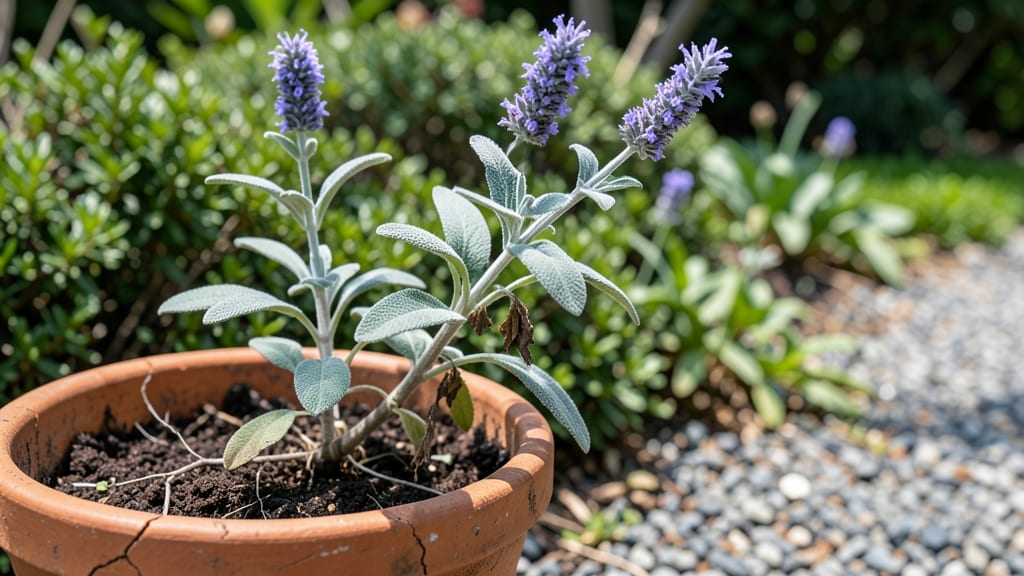
Growing sage in shade is possible with the right varieties and care—yes, even the fragrant 🌿 herb you know from kitchens can adapt to low-light spots if you choose wisely.
Picture this: your shady patio or the north side of your garden, where other herbs wilt, suddenly hosting lush sage plants with stronger-than-average resilience. The key? Selecting shade-tolerant types like Salvia officinalis ‘Purpurascens’ or Salvia nemorosa, which handle partial shade better than classic culinary sage.
But here’s the catch—shade changes everything. Leaves grow leggier, flavor mellows, and pests like spider mites may move in. Below, I’ll show you 5 shade-friendly varieties, how to tweak soil and watering for success, and the telltale signs your sage is begging for more light.
Ready to turn that dim corner into a thriving sage patch? Let’s dive into the varieties that make it work—and the mistakes that sink even the hardiest plants.


5 Shade-tolerant sage varieties that survive (and even flourish) in low light
If you’ve ever assumed sage needs full sun to thrive, think again. While most varieties crave sunlight, these shade-tolerant sages prove otherwise.
They’ll grow lushly in partial shade (3–6 hours of sunlight) or even deep shade (filtered light only), making them ideal for woodland gardens, north-facing patios, or under dappled tree canopies. The key? Choosing the right variety and adjusting care slightly.
From purple-foliaged showstoppers to drought-resistant workhorses, these sages balance fragrance, growth habit, and low-light resilience. Whether you’re growing them for culinary uses (like pasta or roasted meats) or ornamental appeal (textured leaves, striking colors), these picks deliver.
Let’s dive into the top five shade-tolerant sages that’ll reward you with aromatic leaves and compact growth, even in shady spots.
| Variety | Shade Tolerance (1-5) | Mature Size | Culinary/Ornamental Use | Fragrance Intensity |
|---|---|---|---|---|
| Salvia officinalis ‘Purpurascens’ | 4/5 | 18–24" tall | Ornamental (purple foliage), culinary | Strong, earthy |
| Salvia nemorosa ‘May Night’ | 5/5 | 2–3' tall | Ornamental (lavender blooms), drought-resistant | Moderate |
| Salvia officinalis ‘Tricolor’ | 3/5 | 12–18" tall | Ornamental (striped leaves), mild culinary | Light, sweet |
| Salvia officinalis ‘Berggarten’ | 4/5 | 12–15" tall | Culinary (strong flavor), compact | Very strong |
| Salvia officinalis ‘Icterina’ | 3/5 | 10–12" tall | Ornamental (golden foliage), mild culinary | Subtle, citrusy |
Let’s start with Salvia officinalis ‘Purpurascens’, a showstopper for shady gardens. Its deep purple leaves add drama to woodland borders or container arrangements, while its earthy fragrance
How to grow sage in shade: light, soil, and watering secrets for success
Growing sage in shade might seem counterintuitive since this herb typically craves full sun for robust growth. However, with the right adjustments, you can successfully cultivate shade-tolerant sage varieties in spots with limited sunlight.
The key lies in understanding how shade affects water needs, soil drainage, and pruning habits to keep your plants healthy and aromatic.
When sage is grown in shade, it often produces larger leaves but with a milder flavor compared to sun-grown plants. This is because shade reduces photosynthesis, which impacts both growth and essential oil production.
However, the right care can still yield a productive and attractive herb—ideal for ornamental gardens or culinary use when flavor is less critical.
⚠️ callout warning
Sage in shade is already prone to waterlogged roots because it grows slower and retains moisture longer. Using clay-heavy soil without amending it with organic matter (like compost or perlite) creates a recipe for disaster. Always ensure your shade-grown sage has well-draining soil—even more critical than in sunny spots.
Fix: Mix in 1/3 sand or grit to improve drainage and reduce compaction.
Start by selecting a shade-tolerant sage variety like ‘Berggarten’ or ‘Tricolor’, which handle low light better than common culinary sage. Plant in loamy, well-draining soil with a pH between 6.0 and 7.5.
If your garden soil is dense, amend it with compost or coarse sand to prevent waterlogging, a major issue for shade-grown herbs.
Watering is where most gardeners go wrong. In shade, sage needs less frequent but deeper watering—about once every 10–14 days—since the soil stays moist longer. Overwatering in shade is a silent killer, leading to root rot and yellowing leaves.
Stick your finger 2 inches into the soil; if it’s damp, wait before watering again.
Prune your shade-grown sage lightly in early spring to encourage bushier growth and prevent legginess. Remove only 1/3 of the oldest stems to avoid stressing the plant. Avoid heavy pruning in shade, as sage relies on sunlight to fuel new growth.
Mulch around the base with organic mulch (like straw) to retain moisture and regulate soil temperature.
🌿 For best results, place your shade-grown sage in a spot that gets at least 3–4 hours of morning sun, even if it’s shaded in the afternoon.
This hybrid approach mimics natural light patterns and boosts flavor and vigor. With these adjustments, your sage will thrive even in the shadiest corners of your garden!