
Orchid Care
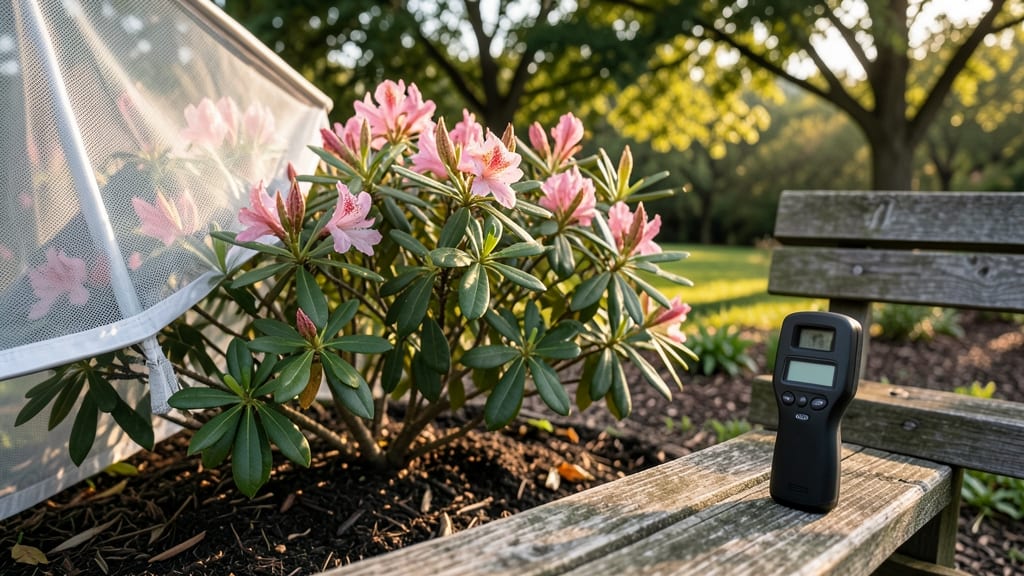
Do azaleas like sun or shade—they adore the shade but still crave a splash of morning sun for those dazzling blooms—so finding that perfect balance is everything.
Struggling to keep your azaleas blooming beautifully? The battle between sun and shade might be the secret weapon you’ve overlooked—getting this balance wrong can mean the difference between lush, vibrant flowers and sparse, weak growth.
Most gardeners assume azaleas love shade, but too little light weakens their stems and reduces blooms. On the flip side, harsh afternoon sun can scorch leaves and stress the plant. The trick? Morning sunlight paired with afternoon shade creates the perfect environment for these finicky shrubs.
In this guide, I’ll break down exactly how much sun and shade azaleas need, how to adjust their placement for your climate, and the common mistakes that leave them struggling. By the end, you’ll know exactly where to plant yours for stronger growth and bigger blooms.
 Best Window Placement
Ideal sunlight conditions for azaleas: morning sun vs full shade
If you’ve ever watched your azaleas struggle with drooping leaves or fewer blooms, sunlight might be the culprit. Azaleas are finicky about their light—too much direct sun can scorch them, while too little shade can stunt their growth.
The perfect balance is morning sun paired with afternoon shade, but understanding why this works (and how to replicate it) is key to keeping your azaleas thriving.
Most azalea varieties thrive with 4-6 hours of morning sunlight and protection from the intense afternoon rays. This schedule mimics their natural habitat in wooded understories, where they receive dappled light.
The cooler morning light fuels photosynthesis without overheating the leaves, while the afternoon shade prevents leaf burn—a common issue in hot climates.
Here’s the kicker: afternoon sun is the real enemy. When azaleas bake under the 1 PM to 4 PM sun, their leaves can develop brown, crispy edges or even bleached patches.
This damage isn’t just cosmetic—it weakens the plant, reducing next year’s flower production. Think of it like sunburn for your shrubs, but irreversible if severe.
Now, let’s talk shade tolerance. While azaleas need some light, full shade (like under a dense tree canopy) can lead to leggy growth and fewer blooms. The trick is filtered or partial shade, where 30-50% of sunlight reaches the leaves.
This is why east-facing windows or spots near tall trees (but not directly under them) work best.
Pro Tip: If your azaleas are already in full sun, don’t move them abruptly to shade—this can cause cultural shock. Instead, gradually adjust their position over 2-3 weeks by using shade cloth or relocating them incrementally.
Not all azaleas are created equal when it comes to sunlight. Evergreen azaleas, like 'Girard’s Pink', tolerate more shade (up to 6 hours of partial shade daily), making them perfect for woodland gardens or north-facing patios.
On the other hand, deciduous azaleas, such as 'Formosa', can handle more morning sun and even light afternoon exposure in cooler climates.
If you’re in a hot, dry climate (like Zone 8-10), aim for no more than 2 hours of afternoon sun and supplement with drip irrigation to keep roots cool.
In cooler regions (like Zones 4-6), azaleas can tolerate more direct light, even full morning sun, as long as they’re protected from late-day heat.
Watch for these tell-tale signs your azaleas need sunlight adjustments:
- Yellowing leaves = Too much shade
- Brown leaf edges = Too much sun
- Fewer blooms = Light imbalance
Remember, azaleas are not low-maintenance plants—they demand attention to light, soil, and water. But when you nail the morning sun/afternoon shade combo, you’ll reward yourself with vibrant blooms year after year. Start small: move one azalea to a sunnier spot this spring and observe the difference by summer!
How to adjust your garden for azalea success: sunlight hacks for thriving plants
Azaleas thrive when you fine-tune their sunlight exposure—but getting this right takes more than just tossing them in a shady corner. These plants love morning sun but can crisp under hot afternoon rays, which is why I’ve spent years perfecting their placement in my own garden.
The key lies in creating a microclimate that mimics their natural forest-floor habitat, where dappled light filters through taller trees.
Start by observing your garden’s light patterns throughout the day. Azaleas need 4-6 hours of gentle morning sunlight (6 AM–12 PM) but should avoid the intense afternoon sun (1 PM–6 PM), which can scorch their delicate leaves.
If your yard gets harsh midday rays, you’ll need to strategically position them or use shade solutions to protect them without starving them of light.
⚠️ callout warning
Even 1 hour of direct afternoon sun can cause leaf burn (brown, crispy edges) and reduced blooming. If your garden lacks natural shade, use 30-50% shade cloth (white or silver) to diffuse light. For existing burn damage, trim affected leaves immediately to prevent spread.
One of my favorite sunlight hacks is planting azaleas near taller shrubs or trees on the west and south sides of your garden. This creates a natural windbreak while filtering harsh light.
For example, I pair mine with evergreen rhododendrons or ornamental grasses like Miscanthus, which cast gentle shade without blocking all light. If space is limited, consider container gardening with movable pots—this lets you relocate them during peak summer heat.
Don’t overlook mulching as a sunlight regulator. A 3-inch layer of pine bark mulch (azaleas love acidic soil!) keeps roots cool while slowly releasing moisture. I also add a light-colored mulch (like cedar chips) to reflect excess heat away from the base.
Pro tip: Refresh mulch annually in early spring to maintain its insulating properties.
Watch for tell-tale signs of sunlight stress: yellowing leaves (too much sun) or sparse blooms (too little light). If your azaleas look leggy or weak, they’re likely not getting enough light—try moving them to a sunnier spot with morning exposure.
Conversely, if leaves turn brown and crispy, they’re sunburned, and you’ll need to increase shade immediately.
For urban gardens with limited shade, reflective surfaces can help. Position azaleas near light-colored walls or fences to bounce indirect light back onto their leaves. Just avoid dark surfaces (like black mulch), which absorb heat and bake the roots.
With these adjustments, your azaleas will reward you with bold, vibrant blooms year after year!